
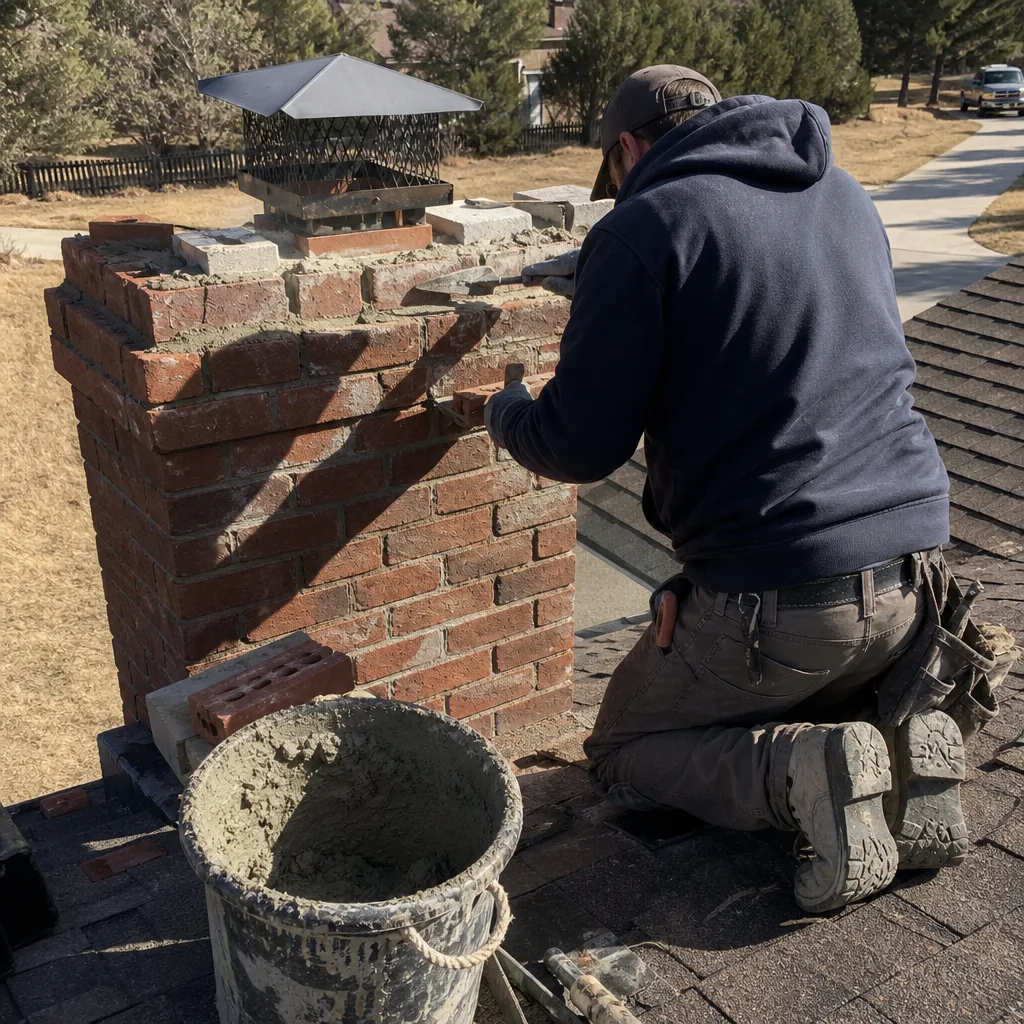
Last updated November 23, 2026
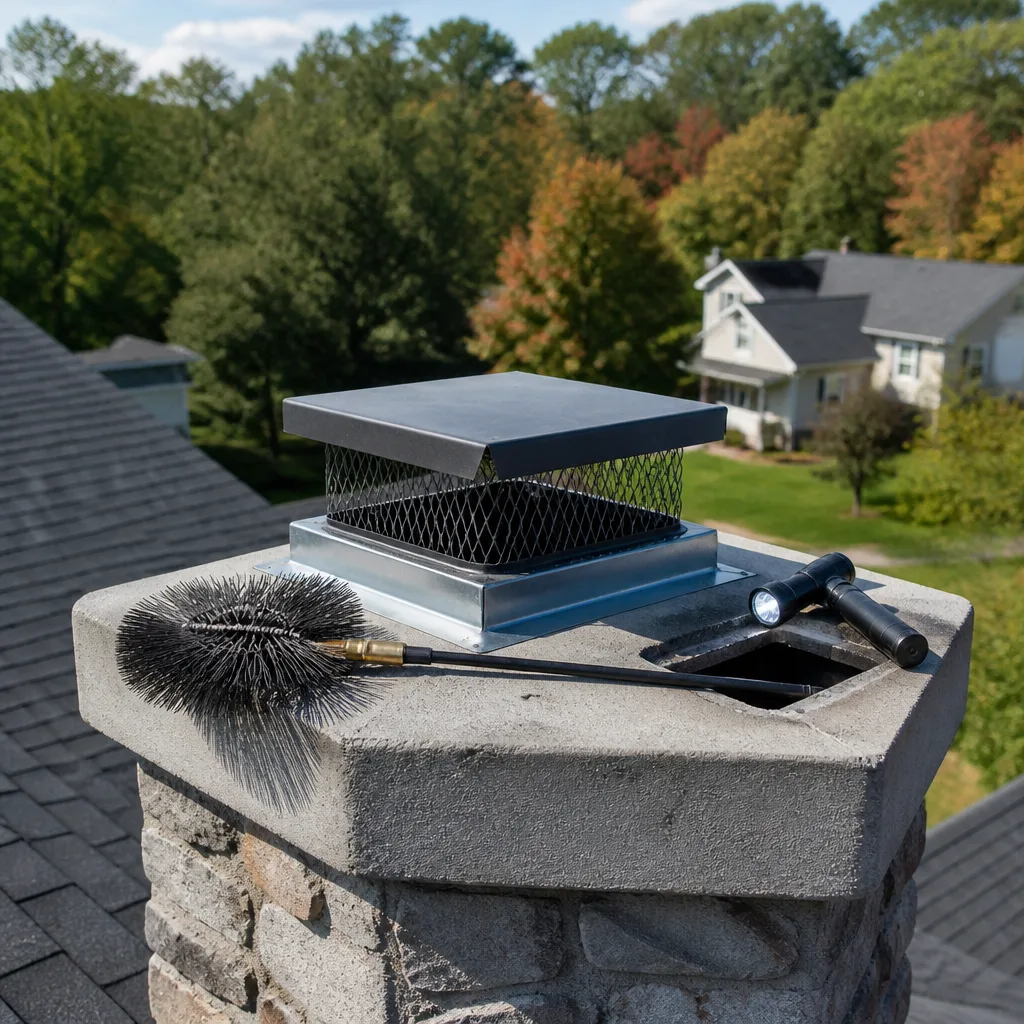 Sweep & inspection
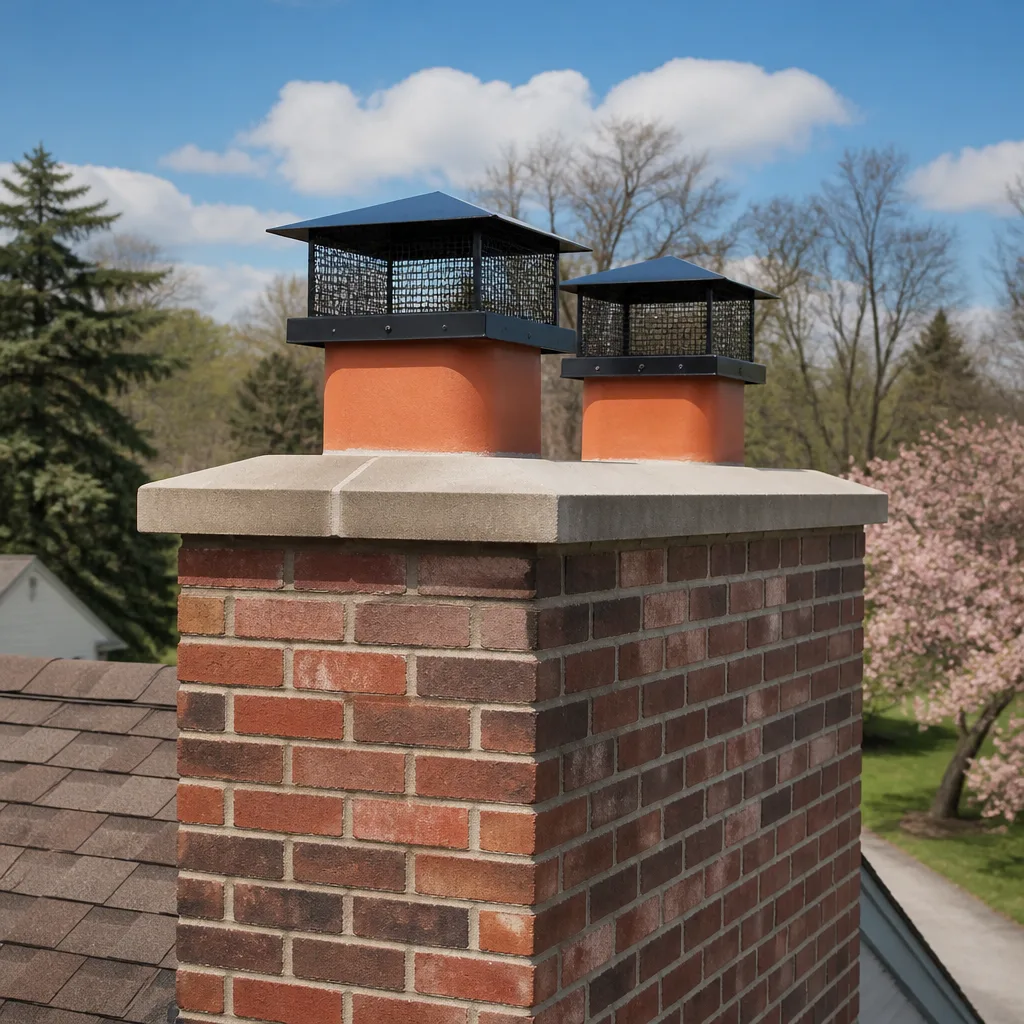 Caps & crowns
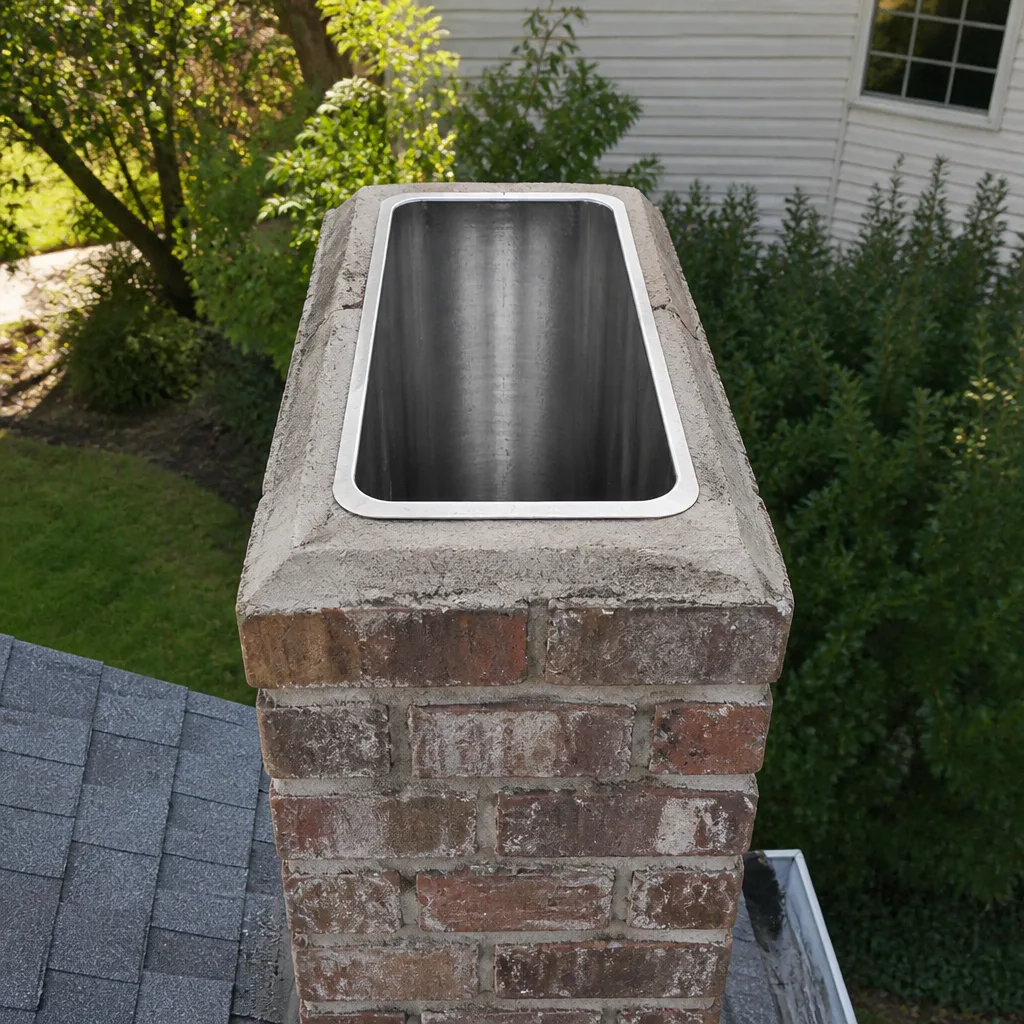 Flue relining
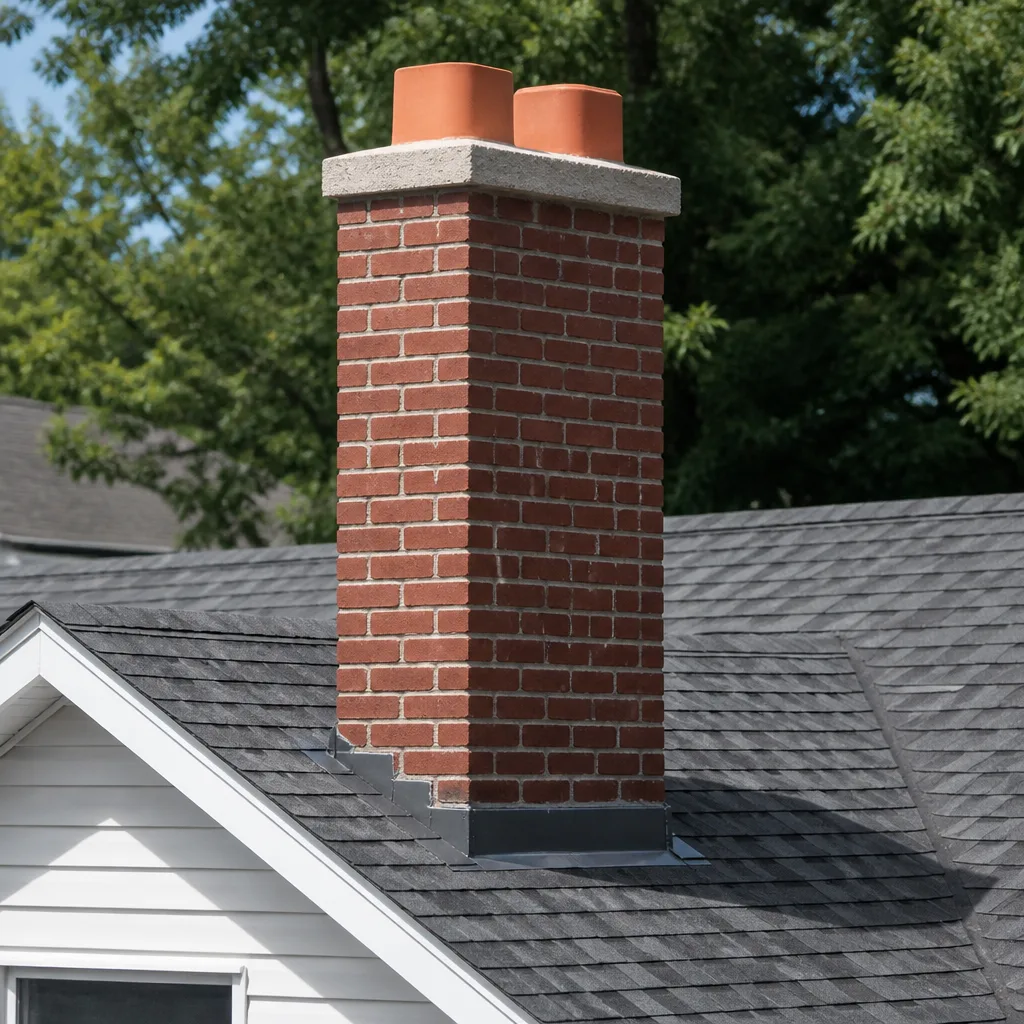 Masonry repair
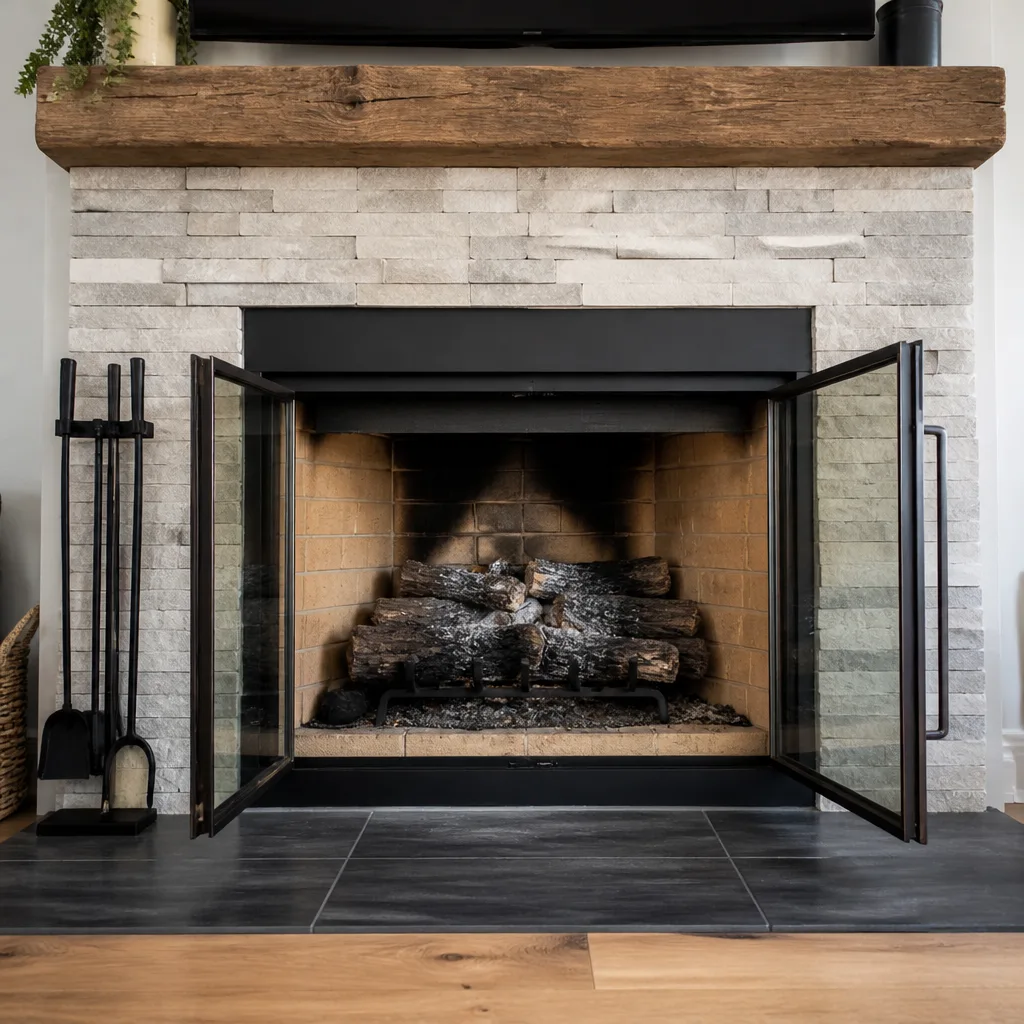 Gas fireplace service
Level 1 sweep and inspection to the NFPA 211 annual standard - flue, crown, cap, and flashing checked and photographed
Chimney sweep logs do not sweep chimneys. They loosen some creosote - which then falls where a brush and vacuum still have to collect it.
Chimney Sweep Troubleshooting in Saddle Rock: Common Problems and How to Fix Them
A smoky fireplace and a weak draft look identical from your living room couch. Both push smoke into the room. Both smell like a campfire went wrong. But one is a ventilation problem and the other is often a blockage or a liner failure, and the fixes have nothing in common. Treat a draft failure like a blockage and you’ll spend money on a cap you didn’t need. Treat a cracked liner like a draft problem and you’ll keep burning into a hazard. In this guide we walk through the five root causes behind nearly every chimney problem we diagnose in Saddle Rock, the specific signs that tell them apart, and a clear framework for deciding what can wait and what means you stop using the fireplace today.
Quick Answer
Most chimney problems in Saddle Rock come down to one of five root causes: a creosote restriction, a draft failure, a cracked flue liner, a blocked flue, or a failing crown and cap. The signs overlap, which is why a proper diagnostic sequence matters more than guesswork. A smoky fire that improves when you crack a window points to draft; smoke that comes back regardless of temperature points to blockage or liner damage. When in doubt, stop burning and get the flue inspected before you light another fire.
Styles & brands we work with
- Sweep & inspection
- Caps & crowns
- Flue relining
- Masonry repair
- Gas fireplace service
Table of Contents
- The Five Root Causes Behind Almost Every Chimney Problem
- How to Tell a Creosote Restriction From a Draft Failure
- Cracked Liner vs. Blocked Flue: The Signs That Separate Them
- Why Saddle Rock’s Elevation Changes How Your Chimney Behaves
- The Diagnostic Sequence a Certified Sweep Follows
- What’s Safe to Monitor vs. What Means Stop Burning Now
- When a DIY Fix Helps and When It Masks a Structural Problem
- Common Mistakes to Avoid
The Five Root Causes Behind Almost Every Chimney Problem
When a homeowner calls us because the fireplace is misbehaving, the complaint is almost always a symptom, not the cause. “It smokes.” “It doesn’t draw.” “It smells when it’s cold outside.” Those three descriptions can each come from four or five different underlying issues. So instead of chasing symptoms, we work backward to one of five root causes. Understanding them is the first step in troubleshooting your own chimney before you call anyone.
The five root causes we see most often in Saddle Rock:
- Creosote restriction. Soot and creosote build up on the flue walls until the passage narrows. Airflow drops, smoke lingers, and the fire burns cool and dirty.
- Draft failure. The chimney can’t pull air up and out fast enough, usually because of a flue that’s too short for the firebox, a competing exhaust fan in the house, or a pressure imbalance.
- Cracked flue liner. The liner has a fracture that lets combustion gases escape into the chimney structure or the house. This is the one that most often gets mistaken for a draft problem.
- Blocked flue. A nest, a fallen cap, a collapsed liner section, or heavy creosote glazing shuts the passage down. Smoke has nowhere to go but into the room.
- Failing crown or cap. The masonry crown or the cap on top has cracked or come loose, letting water in and animals through.
Each root cause points to a different solution. A restriction needs cleaning. A draft failure may need a cap change, a flue extension, or a fresh-air adjustment. A cracked liner is a repair. A blocked flue is a cleaning plus an inspection. A failing crown is masonry work. If you’ve ever had a sweep clean your chimney and the problem came right back the next season, the odds are good the sweep treated a symptom instead of diagnosing the root cause.
How to Tell a Creosote Restriction From a Draft Failure
These two look similar from your couch. They behave differently in a few key ways that you can observe yourself without climbing on the roof. The single most useful test: light a small fire, then crack a window a couple inches. If the smoke suddenly starts drawing up and the fire brightens, you’re looking at a draft failure. If the smoke behavior doesn’t change at all, the restriction is likely in the flue itself. A closed house under negative pressure is the most common cause of draft failure, and a window crack relieves that pressure immediately.
The other signs that separate the two:
- Creosote restriction signs. Smoke rolls out at the firebox opening even with the damper fully open. The fire is sluggish even with dry wood. You notice a heavy, sharp, tar-like smell that gets stronger in humid weather. A visual check up the flue with a light shows rough, blackened surfaces that close in on the passage.
- Draft failure signs. Smoke starts fine and then reverses when a bathroom fan, kitchen hood, or dryer kicks on. The problem is worse on windy days and better on calm ones. A cold flue struggles to start and the fire fights to catch on the first light of the season. Opening a nearby window fixes it instantly.
In our experience, homes in Saddle Rock with newer construction and tight building envelopes report more draft failure complaints than older, draftier houses. Sealing a house for energy efficiency is good for your heating bill and bad for a naturally aspirated chimney, which needs makeup air to draw. If you’ve recently had weatherization work done and your fireplace started acting up right after, the timing usually tells you what changed.
If you’re not sure which bucket you’re in, the next step is a proper chimney sweep and inspection. A sweep can see the flue interior with a camera and confirm whether restriction, blockage, or pressure is the problem, which saves you from guessing.
Cracked Liner vs. Blocked Flue: The Signs That Separate Them
A cracked liner and a blocked flue both produce smoky fires, and both can be dangerous. The difference is that a blockage usually announces itself by stopping the fire from drawing at all, while a cracked liner often lets the fire burn normally while gases escape sideways into the chimney structure. A blocked flue is visible and dramatic. A cracked liner is quiet, and that’s exactly why it’s the one we worry about more.
Blocked flue signs: The fire won’t establish. Smoke pours out immediately. You smell an animal nest or hear scratching. A cap has gone missing and birds or debris have moved in. A round of sweeping clears it and the fire burns normally again.
Cracked liner signs: The fire burns, but smoke still rolls. You notice staining on the exterior masonry or white efflorescence on the chimney brick. The chimney smells smoky in the house even when there’s no fire. A camera inspection shows a fracture or a gap in the flue tiles. Combustion gases may be migrating into wall cavities or attic spaces instead of up and out.
That last point matters. A blocked flue is a nuisance and a smoke problem. A cracked liner is a carbon monoxide pathway. If we find evidence of a liner crack during an inspection, we stop and walk the homeowner through what we found. There’s no guessing because the camera shows it plainly. Depending on the condition of the flue, the fix may be a full relining with a product like DuraFlex, or a HeatShield restoration, which resurfaced the liner from the inside. HeatShield is a specialized system that most basic sweep companies don’t carry, and it’s one of the reasons we keep it on hand. Not every cracked liner needs a full replacement; the right answer depends on the size and location of the damage.
Why Saddle Rock’s Elevation Changes How Your Chimney Behaves
Saddle Rock sits at a higher elevation than the Front Range communities many of its homeowners moved from, and that altitude shifts how a wood fire burns and how a chimney drafts. Thinner air holds less oxygen per cubic foot, and a fire pulls less draft at altitude than it would at sea level. Two fireplaces with identical construction can behave very differently depending on where they’re installed, and Saddle Rock’s elevation is the variable a lot of newer residents don’t account for.
What that means in practice:
- Fires need more air, not more wood. Packing a firebox at altitude makes the fire struggle and produces more creosote. A hotter, cleaner fire has adequate primary air and dry wood.
- Backdraft is more common. When the outside air is denser than the flue gas column, the chimney can temporarily reverse. In Saddle Rock that tends to show up on cold mornings and in shoulder seasons when the flue hasn’t warmed.
- Draft can feel inconsistent season to season. A chimney that worked fine in October may struggle in January. That’s not a defect; it’s physics responding to temperature differences.
- Creosote forms faster when fires run cool. The altitude effect pushes fires toward cooler burns if the flue isn’t warm enough, and cool fires produce more of the sticky, flammable creosote that restriction problems are made of.
The practical takeaway for Saddle Rock homeowners: warm the flue before lighting a real fire on a cold day. Roll up a piece of newspaper, light it near the damper, and let the smoke start moving upward before you add kindling. That single step prevents a lot of the backdraft complaints we diagnose in the area.
The Diagnostic Sequence a Certified Sweep Follows
Diagnosis isn’t guesswork. There’s an order to it, and skipping steps is how a homeowner ends up with a second service call three weeks later. The sequence below is the standard we follow on every job in Saddle Rock. If you hire a different sweep and they skip the inspection or don’t run a camera, that’s the first thing to ask about.
- Interview the homeowner. When does it smoke? Does it improve with a window open? What changed recently? These answers narrow the diagnosis before we touch a tool.
- Exterior inspection. Crown, cap, flashing, masonry, and the top of the flue. This is where we find cracked crowns and missing caps.
- Firebox and damper check. The damper must open fully. A partially stuck damper mimics a restriction and gets misdiagnosed constantly.
- Flue sweep. We brush the flue to clear loose soot and creosote so the camera can see the liner surface clearly.
- Camera inspection. A video scope fed down the flue shows the liner joints, any cracks, any blockage, and the condition of the interior surface.
- Draft measurement. We check the actual draw with the firebox under operating conditions to confirm draft failure isn’t the root cause.
- Written summary. Every inspection ends with a clear report. You see the footage. You get recommendations in writing. Nothing is billed before you agree.
That camera step is what separates diagnosis from guesswork. If a sweep recommends a liner repair without showing you the footage, ask for it. If they recommend a cap without checking the crown underneath, ask why. A proper inspection runs to the end of the sequence every time.
What’s Safe to Monitor vs. What Means Stop Burning Now
Not every chimney problem is an emergency, but some are. The distinction matters because homeowners either panic over a light problem or ignore a serious one. Here’s how we sort them.
Safe to monitor, with a scheduled visit:
- Mild soot buildup with no draft complaints, if your last sweep was inside the recommended interval.
- A minor cap dent from a storm that hasn’t moved the cap or opened a gap.
- Occasional smoky starts in cold weather that resolve when the flue is warmed.
- Cosmetic efflorescence on exterior brick with no interior staining and no visible crack in the flue.
Stop using the fireplace and call a professional:
- Smoke rolls into the room and doesn’t clear with the damper open and a window cracked.
- A carbon monoxide alarm has ever sounded while a fire was burning, even once.
- You can see a crack, a gap, or a hole in the flue lining through the damper or from a camera inspection.
- Water is coming into the firebox, or the crown has a visible fracture.
- You smell natural gas or notice the fireplace logs won’t stay lit on a gas appliance.
A carbon monoxide alarm in a home with a wood-burning or gas fireplace should be treated as a hard stop. That’s not a wait-and-see. Turn off the appliance, open a window, and call for an inspection before you light another fire. The chimney is a safety system first and a comfort feature second, and we treat a CO alarm as the highest-priority signal there is. For homes in Saddle Rock where wood burning is the primary heat source, we recommend a fresh inspection any time the fire has behaved outside its normal pattern all season.
When a DIY Fix Helps and When It Masks a Structural Problem
Some chimney issues are genuinely within reach of a homeowner. Others aren’t, and the ones that aren’t tend to be the ones where a quick DIY fix quietly makes things worse. Here’s our honest breakdown.
Reasonable for a homeowner:
- Warming the flue before lighting a fire on a cold morning.
- Ensuring the damper is fully open and not obstructed.
- Sweeping ash from the firebox floor between cleanings, with the ash door closed.
- Placing a magnetic thermometer on the stovepipe to keep an eye on burn temperature.
- Cracking a nearby window when lighting a fire in a tight house.
Where DIY turns into a problem:
- Replacing the cap. A cap swap looks simple, but a cap that’s the wrong size, wrong pitch, or improperly attached to a cracked crown lets water in and doesn’t fix the underlying issue. Precision-fit caps from brands like Gelco or Famco are matched to the flue dimensions and the chimney top, which matters more than most homeowners realize.
- Installing a draft inducer without diagnosis. A draft inducer is a fan-assisted fix, and it’s a legitimate solution for certain draft failures. It’s a terrible solution for a cracked liner, because it masks the symptom while the gases still migrate through the crack.
- Patches and sealants on the crown. Cosmetic patches fail fast if water is entering the masonry underneath. The crown needs to be rebuilt for the fix to hold.
- Anything inside the flue. Liner work involves ladders, height, and structural assessment. Falling from a roof is a serious injury, and a liner you can’t verify is worse than a liner you know is cracked.
Our rule of thumb: if the fix involves the top of the chimney, the flue interior, or the structural crown, it belongs to a specialist. If it’s about how you burn the fire, it belongs to you. When a structural problem is possible, we’d rather diagnose it properly than see a homeowner mask it.
What to Expect When You Book a Chimney Sweep in Saddle Rock
Homeowners who’ve never booked chimney service often don’t know what the visit involves, and that uncertainty keeps people from calling at all. Here’s what a standard appointment looks like when you work with us. Nothing about it is mysterious, and you’re welcome to watch every step.
- Drop cloths go down first. The work area is protected before any tool comes out of the bag.
- The firebox and damper get checked before the sweep. This catches the stuck-damper problem early.
- The flue is brushed from bottom to top or top to bottom depending on construction. All soot and creosote goes into a sealed vacuum, not into your living room.
- The camera inspection runs after the sweep. Clear footage is the only way to actually see the liner.
- You get a photo report. Not a verbal “everything looks fine” but actual images you can look at and ask questions about.
- Recommendations are written, not verbal. Prices are set by the written estimate before any repair work begins.
If we find a crown that needs attention during the visit, we have the parts and the training to address it, and we’ll quote it in writing on the spot. Cap and crown work is one of the areas we handle most often in Saddle Rock, and using a solid chimney cap & crown assembly from a brand like Gelco or Copperfield matters because a poorly fitted cap is itself a source of water intrusion. One visit, one report, and you decide what to do next.
Five Signs Your Fireplace Needs Repair, Not Just a Cleaning
A sweep and a repair are different visits, and knowing which one you need saves time. If any of these five signs are present, a cleaning alone won’t solve your problem.
- Crumbling or missing mortar joints inside the firebox. The firebrick has deteriorated and needs rebuilding with a refractory material.
- A damper that won’t open or close fully. The mechanism has failed, and burning with a stuck damper changes how the entire system drafts.
- White stains or rust streaks on the exterior masonry. Water is getting in somewhere it shouldn’t, often through a failing crown or flashing.
- Smoke escaping the chimney at seams. This is a sign of a pressure failure or a liner issue, not a creosote problem.
- A gas fireplace that won’t hold a flame or smells off. This is a burner and gas-side issue that needs a specialist familiar with the appliance.
For firebox-level issues like these, fireplace repair is the right call. We handle masonry and firebox repair along with the sweep on the same visit when you ask for it, which means you don’t have to schedule a second contractor.
See the difference
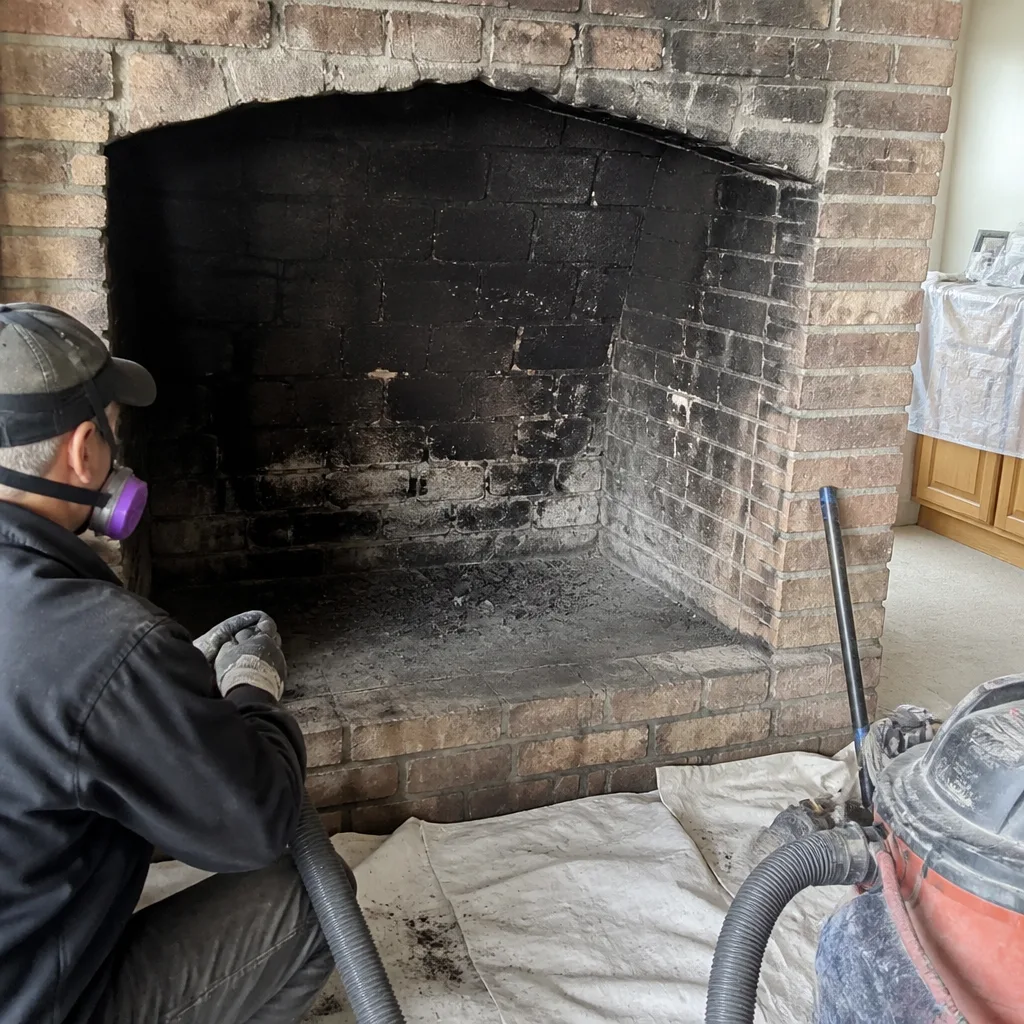 Before
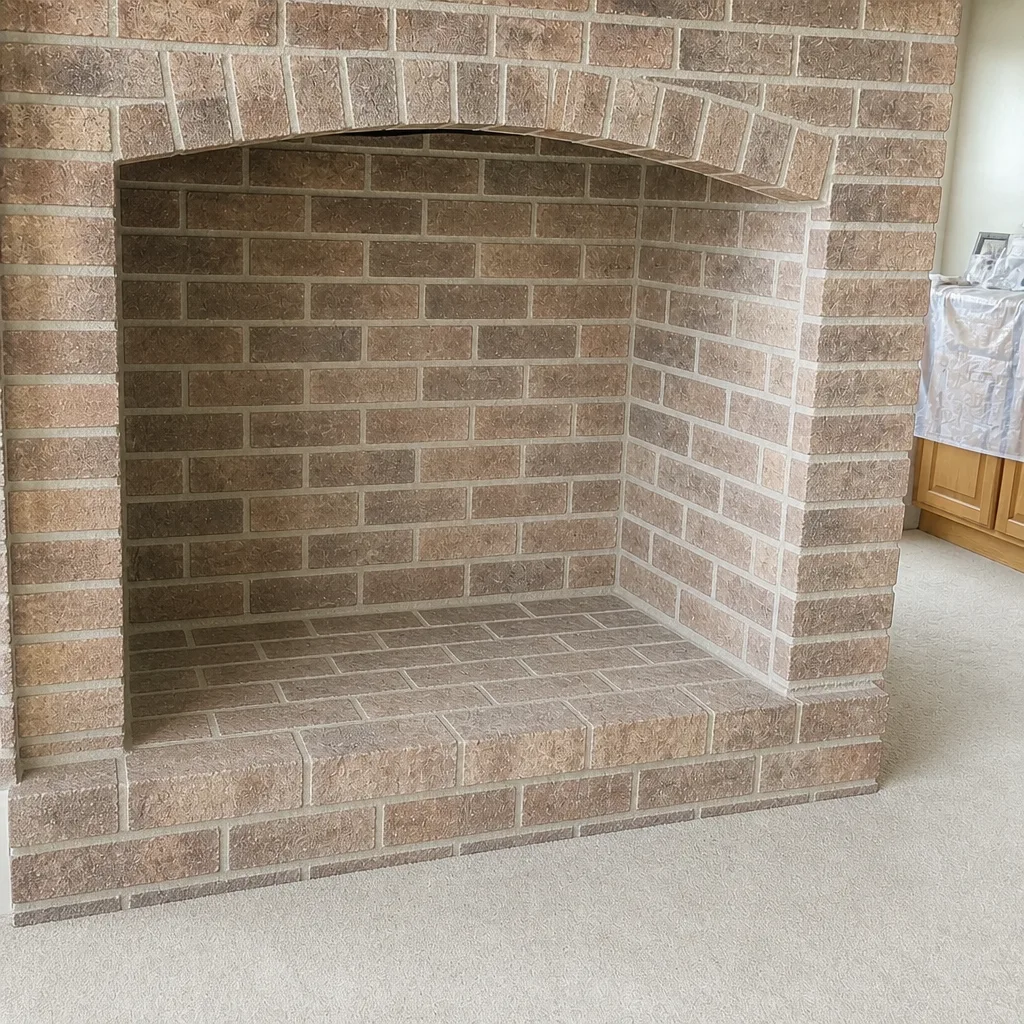 After
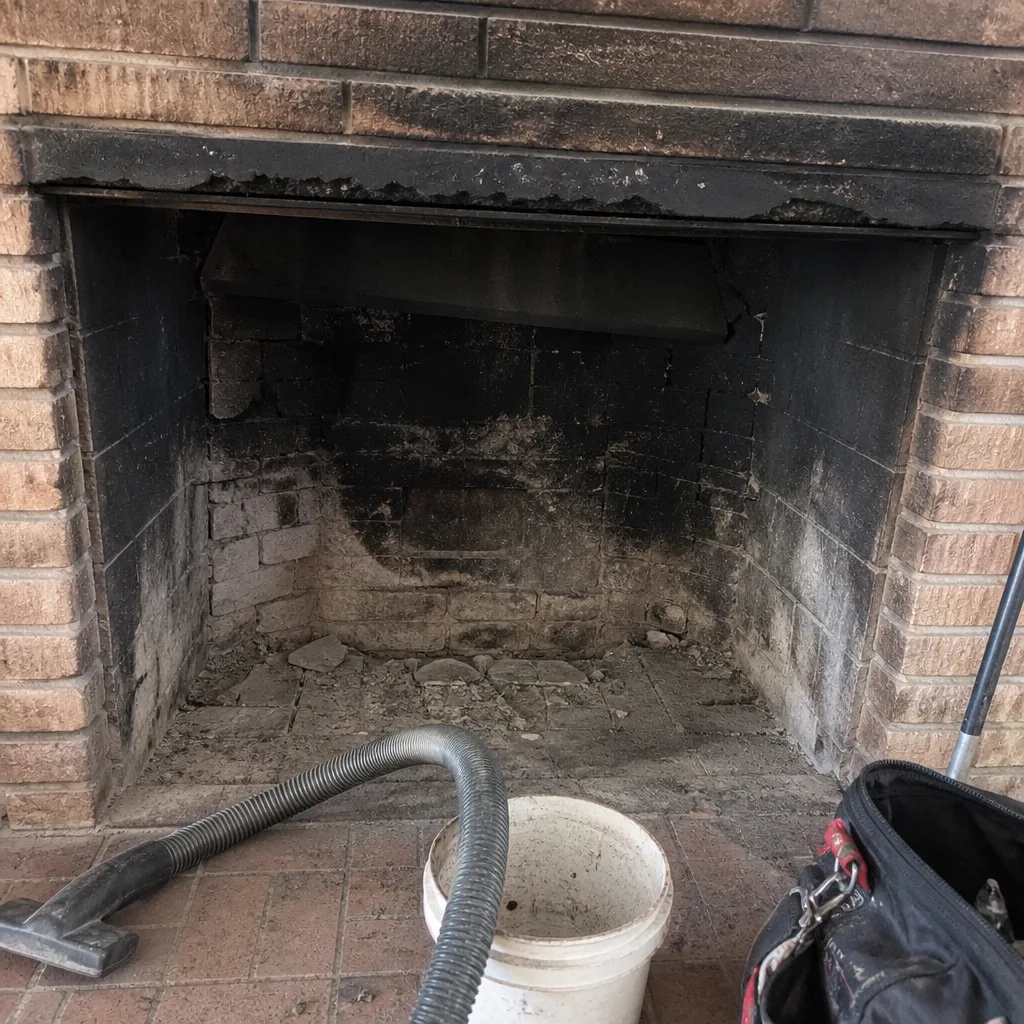 Before
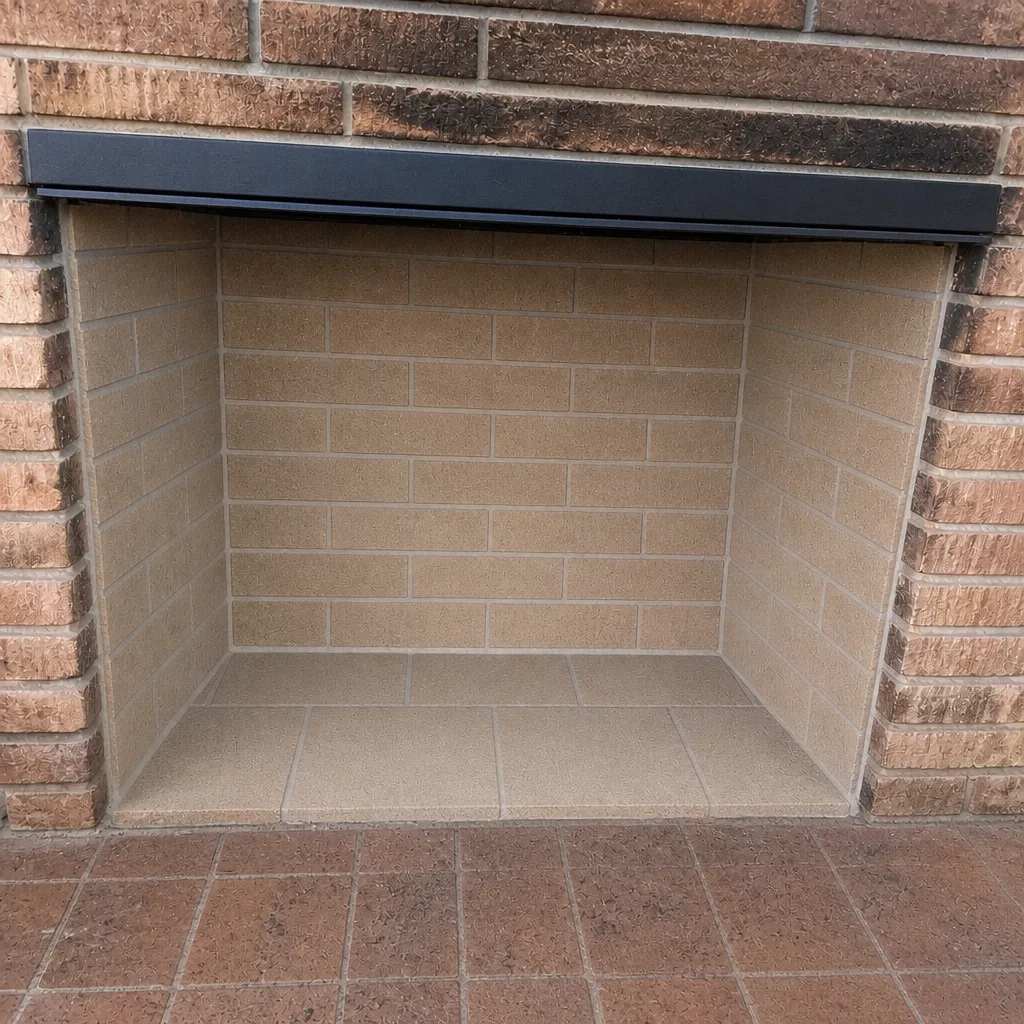 After
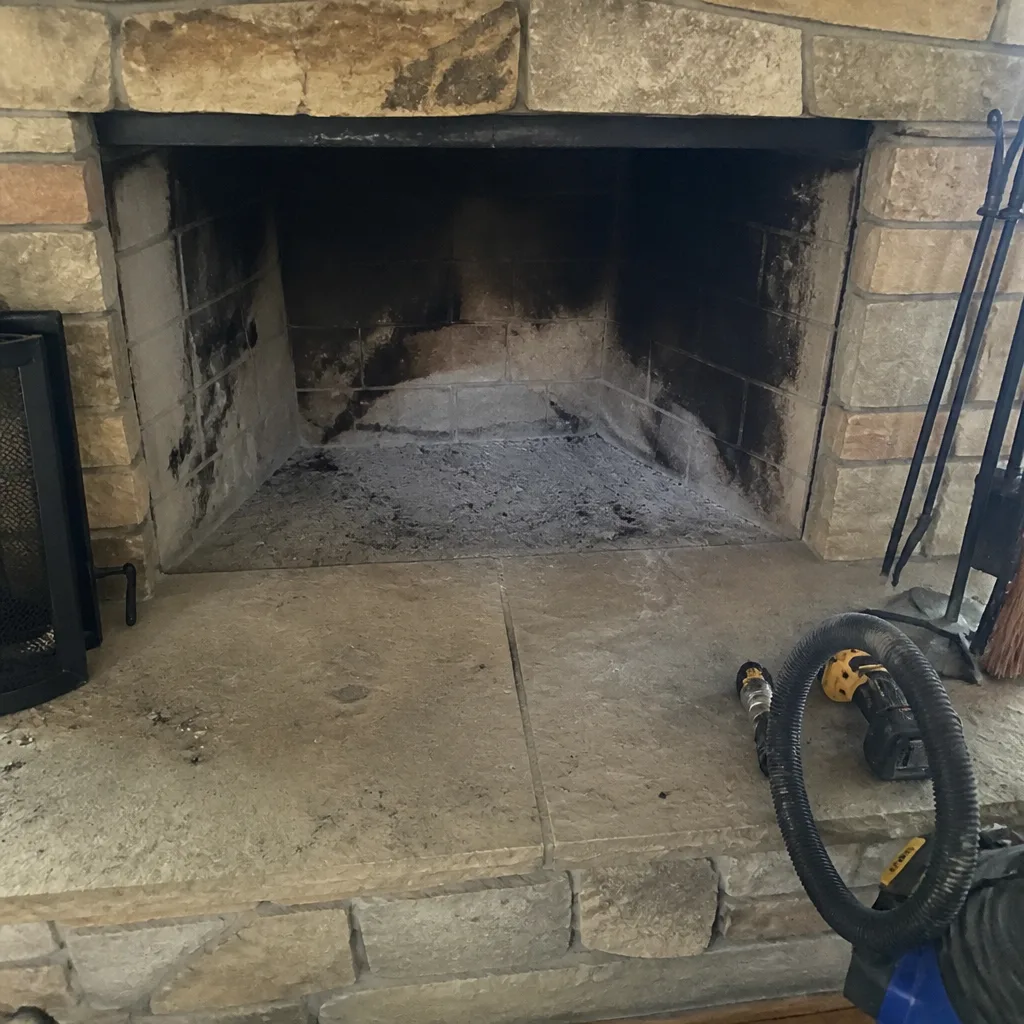 Before
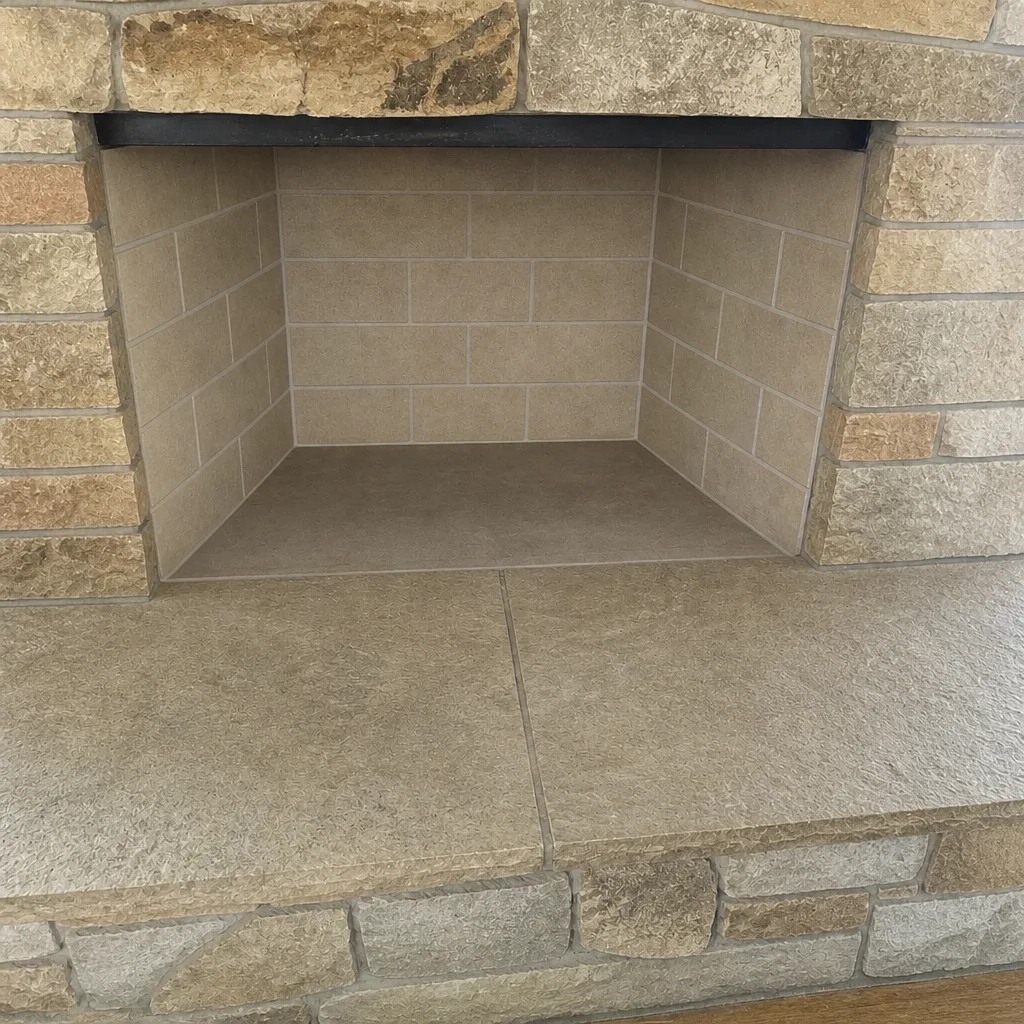 After
Common Mistakes to Avoid
- Assuming a smoky fire means the chimney needs sweeping. It might, but it could just as easily be a draft failure or a cracked liner. Diagnose before you sweep.
- Skipping the camera inspection to save a step. A sweep without a camera misses liner cracks. If a chimney inspector offers you a verbal “all clear” with no footage, ask for the footage.
- Burning wet or green wood to “stretch” the season. Wet wood produces far more creosote than seasoned wood. In Saddle Rock’s dry climate, wood has to be properly stored and covered to actually season.
- Installing a draft inducer as a first fix. A draft inducer is a legitimate solution for some draft failures. Installing one over a cracked liner hides the danger instead of fixing it.
- Patching a cracked crown with sealant every couple of years. Cosmetic repairs fail because the underlying masonry continues to move. A proper rebuild outlasts a patch by a wide margin.
- Ignoring a carbon monoxide alarm because it “only beeped once.” One alarm is one too many. Stop burning and get an inspection.
- Choosing the cheapest sweep quote without asking what’s included. A $79 sweep usually means no camera, no inspection, and no written report. That’s not a save; it’s a partial job. Our written estimate sets the price per job and it’s free.
When to Call a Professional
You should call a professional when the smoke doesn’t clear, when a carbon monoxide alarm has sounded, when you see visible damage inside the firebox or at the crown, or when you’re buying a home and need a documented inspection. You should also call if the fireplace is behaving differently than it did last season and you can’t see why. Our technicians have up to 15 years of experience diagnosing exactly these patterns, and we can walk you through what we see with camera footage and a photo report. Chimney Sweep Saddle Rock offers free estimates in Saddle Rock. Call (833) 513-8273. We answer 24/7. Fast dispatch from 7am to 7pm, Sunday through Friday.
Frequently Asked Questions
A standard chimney sweep in Saddle Rock typically runs in the low-to-mid hundreds of dollars, with the exact price depending on the number of flues, the level of creosote buildup, and whether an inspection and camera footage are included. Prices are set per job by the written estimate, and the estimate is free. Call (833) 513-8273 for an exact quote.
Not always. A cracked or deteriorating liner can sometimes be restored with HeatShield, which resurfaced the flue from the inside rather than replacing it. A full reline with DuraFlex may be the right answer when the damage is extensive or when the liner was never code-compliant to begin with. The verdict depends on what the camera shows, and we show you the footage before we recommend anything. Call (833) 513-8273 and we’ll walk through what the inspection reveals.
Most wood-burning chimneys should be swept once a year, and more often if you burn frequently or notice draft problems. Saddle Rock’s altitude can push fires toward cooler burns, which builds creosote faster than a hot fire at sea level would. If it’s been more than a year since your last sweep, book one before the season starts. Call (833) 513-8273.
Skipping the sweep lets creosote accumulate until it restricts airflow, and in heavy glazed form it’s the fuel that chimney fires burn. It also means any hidden liner crack goes undetected, which is a carbon monoxide risk rather than just a fire risk. The risks are real and confirmed by the camera whenever we find them. Call (833) 513-8273 for a proper inspection before the next burn season.
Sometimes you can improve it by warming the flue before lighting a fire, cracking a nearby window to relieve negative pressure, or ensuring the damper is fully open. Those three steps resolve most mild draft complaints. If the smoke persists after trying all three, the problem is likely inside the flue and needs a camera inspection. Call (833) 513-8273 if you’re not sure.
Yes. Gas fireplace troubleshooting looks different from wood. Draft failures are less of a factor, but venting, blockage, and burner condition are just as important. We inspect gas fireplace venting and can identify repair needs during the same visit. Call (833) 513-8273 to book an inspection for a gas or wood-burning fireplace.
The Bottom Line
Most chimney problems in Saddle Rock come down to one of five causes: creosote restriction, draft failure, cracked liner, blocked flue, or a failing crown and cap. The signs overlap, and that’s why guessing is expensive. A proper diagnostic sequence – interview, exterior check, firebox and damper, sweep, camera inspection, draft measurement, written report – separates a real fix from a repeat call. Anything cracked or blocked means stop burning; anything cosmetic can be scheduled. You have our framework now. If you’d like a proper diagnosis with footage you can actually look at, that’s what we do. Chimney Sweep Saddle Rock is a single-source chimney specialist for sweeping, inspection, cap and crown work, fireplace repair, and full chimney repair, using name-brand materials like DuraFlex, HeatShield, Olympia Chimney, and Famco. Call (833) 513-8273 for a free estimate. We answer 24/7. Fast dispatch from 7am to 7pm, Sunday through Friday.
Written by the team at Chimney Sweep Saddle Rock.