
Last updated November 23, 2026
 Sweep & inspection
 Caps & crowns
 Flue relining
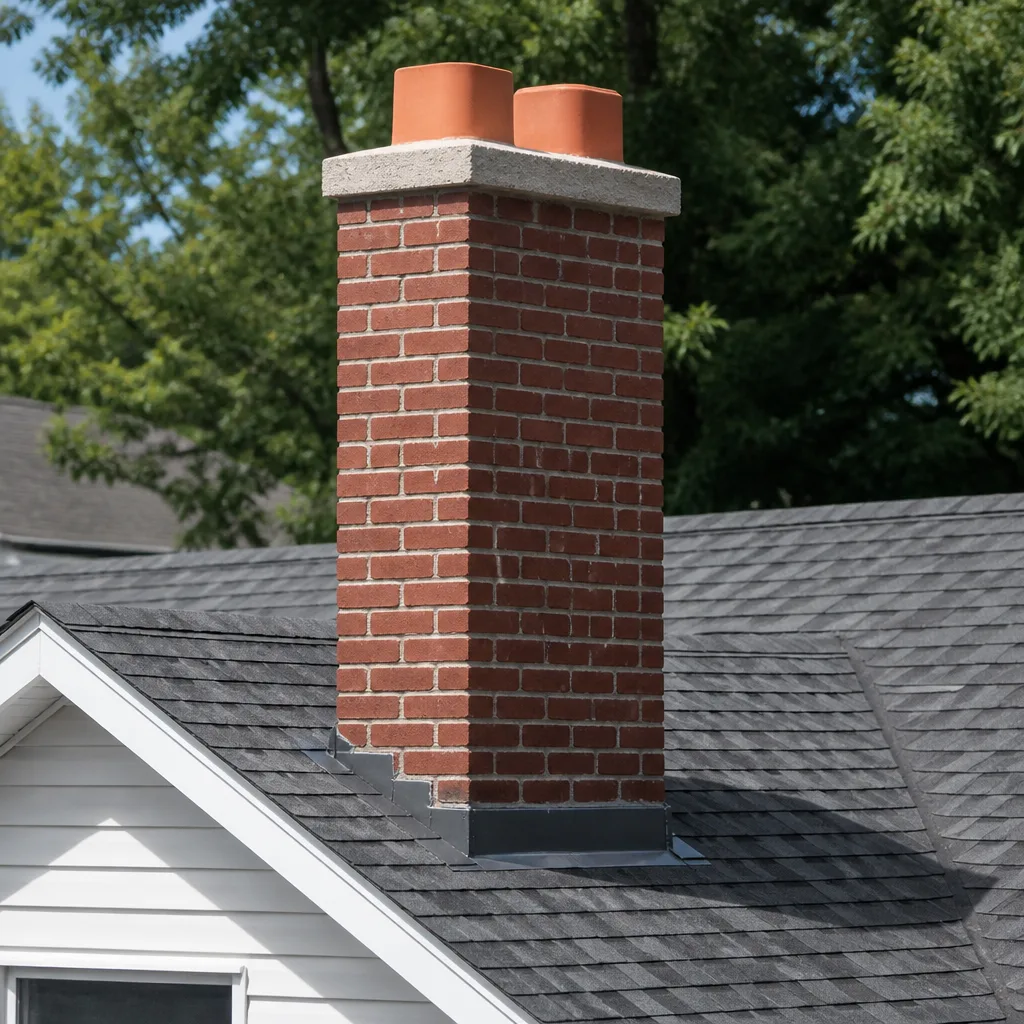 Masonry repair
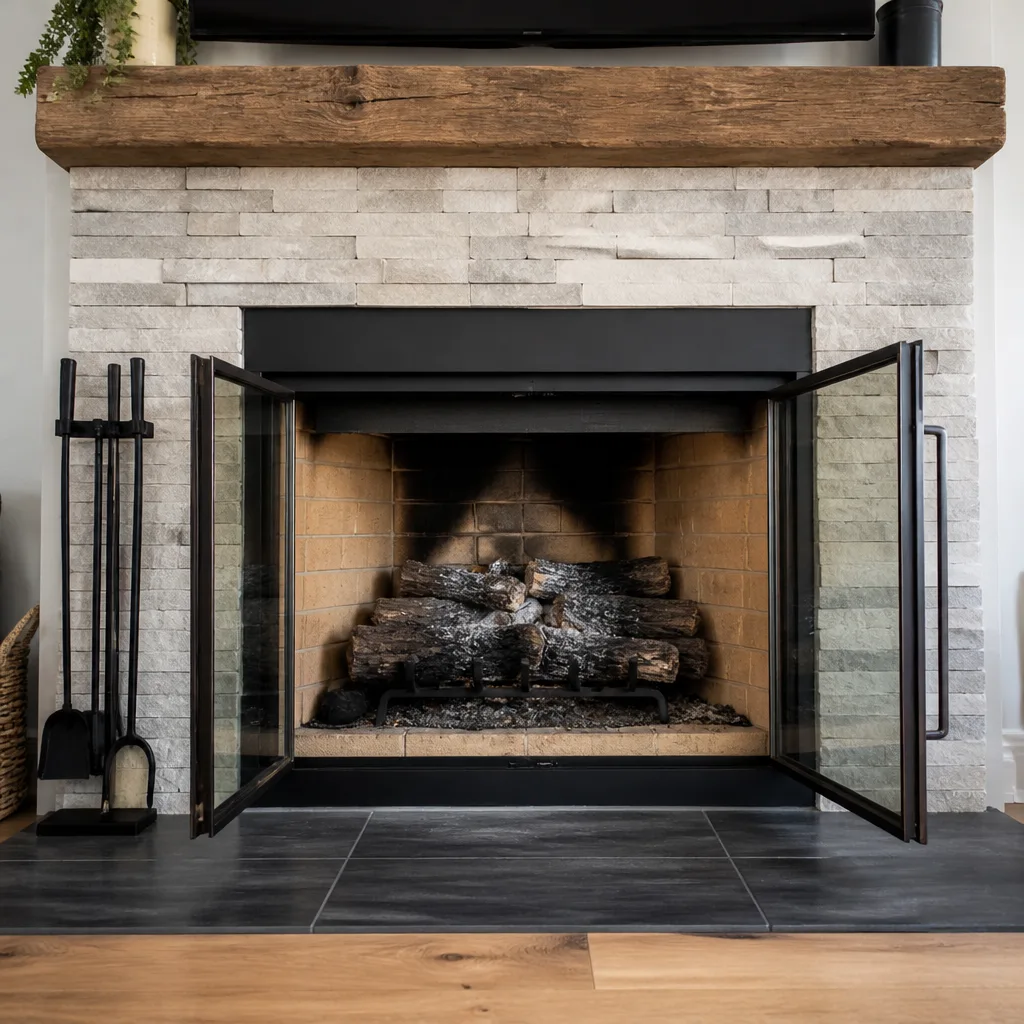 Gas fireplace service
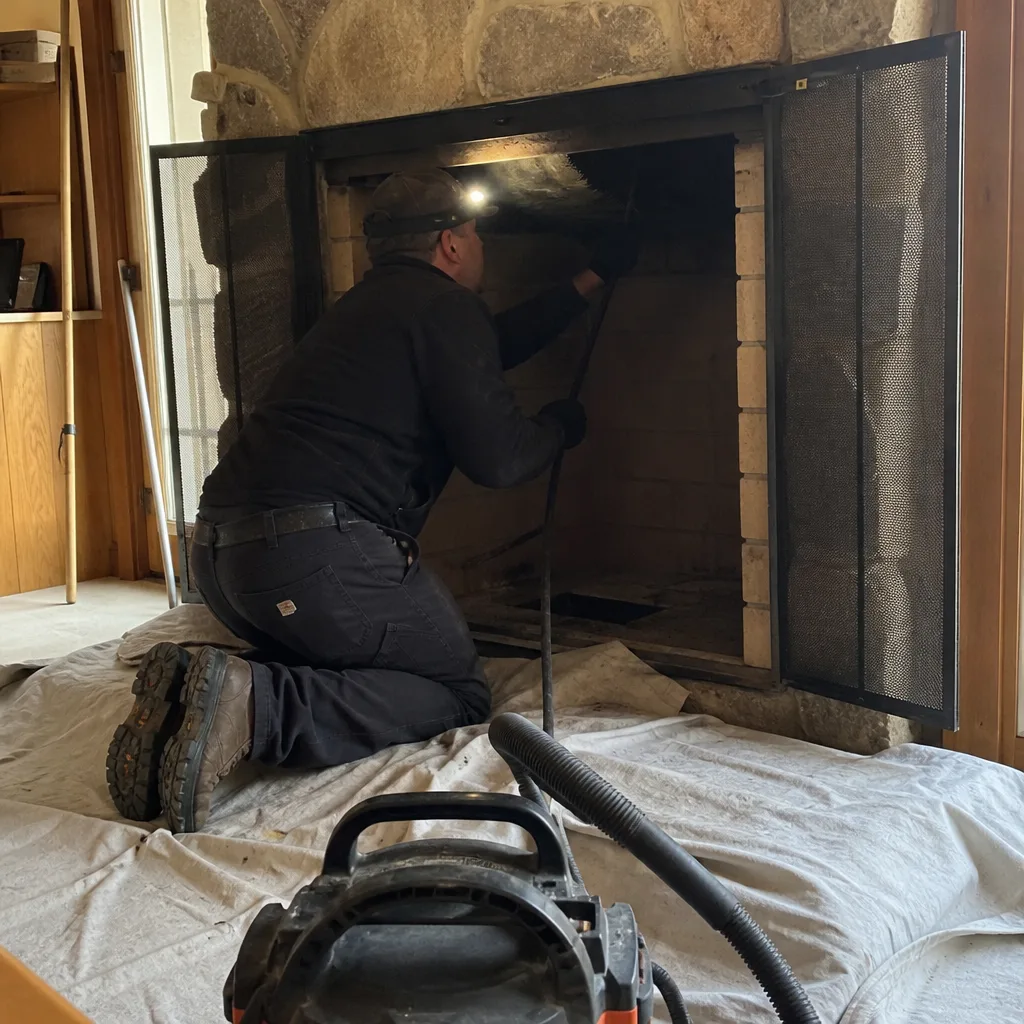
Level 1 sweep and inspection to the NFPA 211 annual standard - flue, crown, cap, and flashing checked and photographed
Chimney sweep logs do not sweep chimneys. They loosen some creosote - which then falls where a brush and vacuum still have to collect it.
The Complete Guide to Chimney Cleaning in Saddle Rock
Most chimney fires don’t start because homeowners skipped cleaning. They start because the cleaning was incomplete and nobody told the homeowner what was left undone. A sweep brushes the flue, hands over a receipt, and leaves. The hidden stage two creosote stays put. The cracked crown goes unnoticed. The liner joint that opened over the summer is still open. In Saddle Rock, where high-altitude burn conditions push creosote through its stages faster than most homeowners expect, that gap between “swept” and “actually clean and safe” matters more than anywhere along the Front Range. This guide maps the full cleaning sequence, step by step, so you know what a thorough job looks like from first inspection to final documentation.
Quick Answer
A complete chimney cleaning in Saddle Rock is a sequence, not a single task: a Level 1 or Level 2 inspection comes first, the brush work follows the findings, and the job ends with a written report and photo documentation of what was found, what was removed, and what needs attention. If any part of that sequence is skipped, you don’t have a cleaning, you have a brush run. Call (833) 513-8273 for a free estimate, and ask for the inspection report before anyone picks up a brush.
Styles & brands we work with
- Sweep & inspection
- Caps & crowns
- Flue relining
- Masonry repair
- Gas fireplace service
Table of Contents
- Why High-Altitude Burn Conditions Change the Cleaning Schedule in Saddle Rock
- Level 1, Level 2, and Level 3 Inspections: Which One You Actually Need
- The Correct Cleaning Sequence: Inspection Before the Brush
- What a Completed Cleaning Job Should Produce
- Understanding the Three Stages of Creosote and Why Each Stage Changes the Job
- Red Flags That a Cleaning Was Performed Without a Real Inspection
- How Often Should You Schedule Chimney Cleaning in Saddle Rock?
- What Homeowners Can Check and What Must Stay in Professional Hands
Why High-Altitude Burn Conditions Change the Cleaning Schedule in Saddle Rock
Saddle Rock sits above 6,000 feet, and that elevation changes how a fire burns. Air is thinner, so wood burns with less available oxygen per cubic foot of draft. Fires run cooler in the firebox and produce more unburned gases. Those gases cool again in the flue and condense onto the liner as creosote. Cooler flue temperatures and higher condensation are the two drivers that move creosote from stage one to stage two and stage three faster than at lower elevations along the Front Range.
Cold snaps compound the effect. When the outdoor temperature drops sharply, the flue warms more slowly, and the first fire of the season burns inefficiently. Saddle Rock homeowners who fire up the fireplace on the first cool evening of fall are producing the worst creosote of the year without knowing it. The same fire at a lower-elevation house in the metro area would condense less.
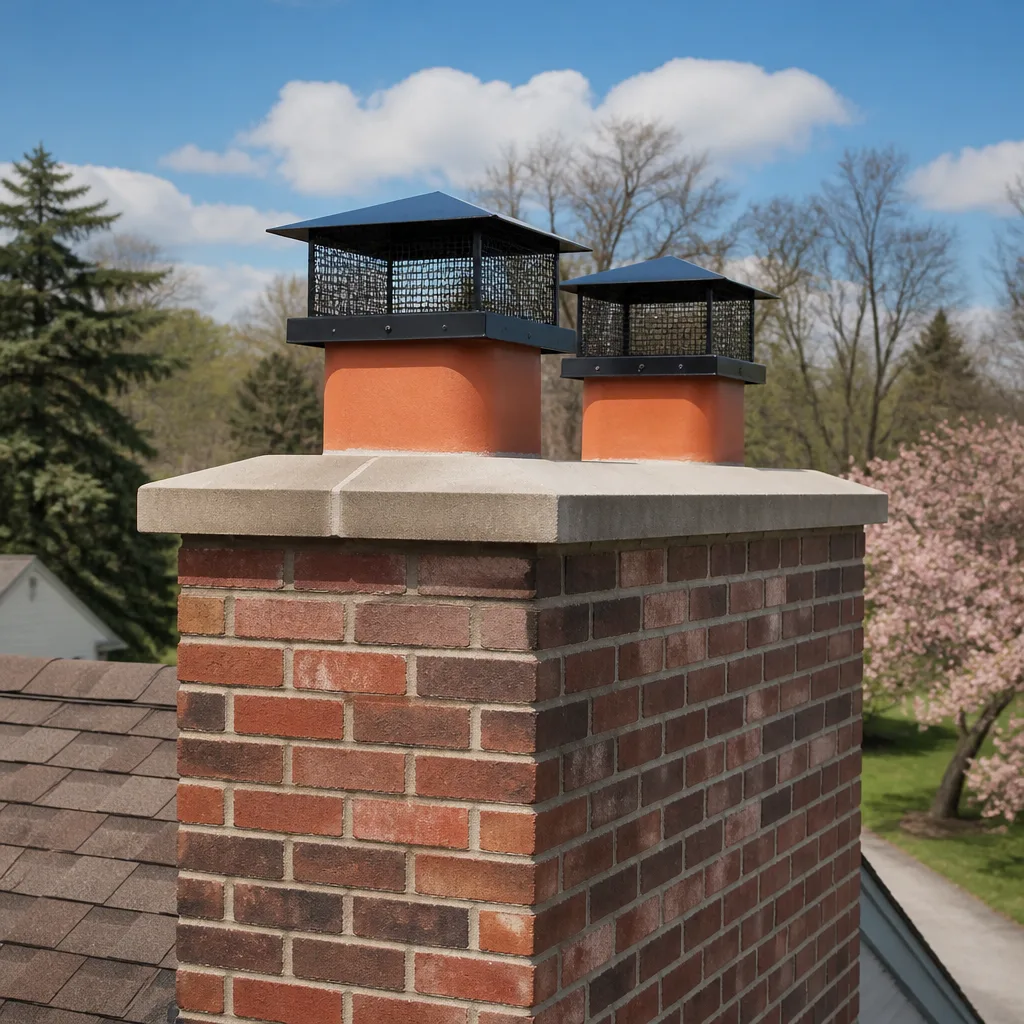
Wind exposure is the other local factor. Saddle Rock sits on exposed ground where downdrafts and pressure swings push against the chimney cap. A cap that rattles loose in a windstorm lets rain and snowmelt into the flue, which glazes creosote and turns a brushable deposit into a hard, tar-like layer that needs more than a standard sweep to remove. Checking the cap and crown is part of every cleaning we perform in Saddle Rock, not an upsell appended to it. You can read more about that side of the work on our chimney cap & crown page.
Burn the driest wood you can source, and don’t treat the first fire of the season as if it were midwinter. Thinner air means a slow, cool start.
Level 1, Level 2, and Level 3 Inspections: Which One You Actually Need
Every chimney cleaning should start with an inspection at the right level. The three levels come from national chimney inspection standards, and they exist because a chimney can hide problems that a flashlight and a look up the flue will never find.
Level 1 inspection. A visual check of the readily accessible parts of the chimney and venting system: the firebox, the damper, the visible flue from the top and bottom, the cap, the crown, and the exterior. This is the standard inspection done alongside an annual cleaning when the chimney’s history is known and no changes have occurred.
Level 2 inspection. Everything in a Level 1 plus access to concealed areas. That means a camera run through the flue, and inspection of accessible attic and crawlspace areas where the chimney passes through. A Level 2 is required after any change in how the chimney is used, after a chimney fire, after an earthquake or major event, and upon sale or transfer of a property.
Level 3 inspection. A Level 2 plus removal of parts of the chimney or building to access concealed areas. Level 3 is reserved for a known or suspected serious hazard, such as damage found during a Level 2 that can’t be assessed otherwise.
In Saddle Rock, the wildfire smoke seasons of recent summers give the Level 2 inspection a specific local role. Heavy smoke and ash don’t enter a closed chimney directly, but the pressure swings and particulate fallout of a long smoke season, combined with the cooling cycles that follow, are a common time for cracks in the crown and loose mortar joints to become visible. Homeowners who notice flaking mortar or a smoky smell in the house after a smoke season should not settle for a Level 1 confirmation during the annual cleaning. Ask for the camera.
The Correct Cleaning Sequence: Inspection Before the Brush
Here is where most “cleanings” fall apart. Brushing before inspecting means the technician has no baseline. Brush work removes soot and creosote and takes the evidence with it. The crack in the flue tile is still there after the brush passes, but the technician never saw it. A proper job runs in sequence:
- Pre-inspection and setup. The technician walks the exterior, checks the cap and crown, examines the firebox and damper, and lays drop cloths and a HEPA vacuum at the firebox opening to keep soot out of the house.
- Level 1 or Level 2 inspection. Based on the chimney’s history and the reason for the visit, the technician inspects the flue, firebox, damper, cap, crown, and any concealed areas. A camera run is done when the visit calls for it.
- Findings reviewed with the homeowner. Before the brush goes up, the technician explains what the inspection found, in plain terms.
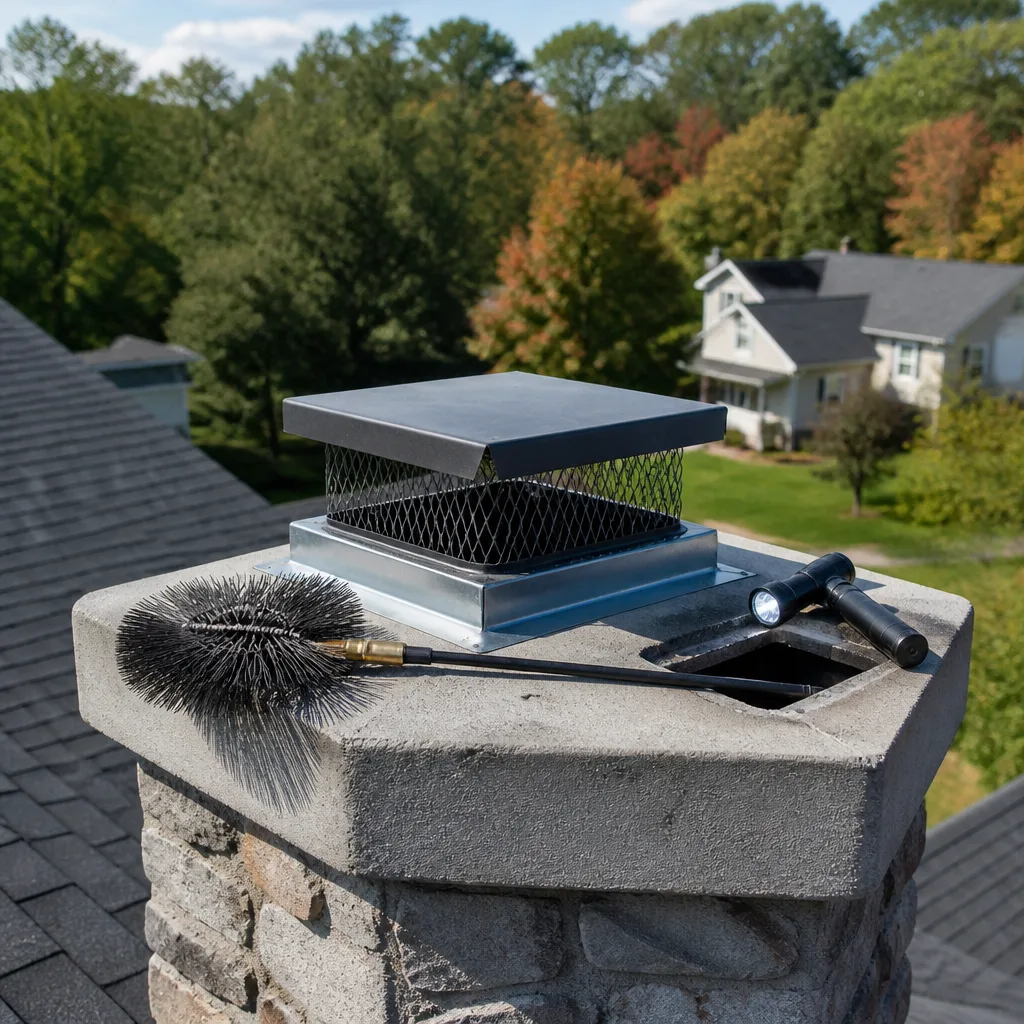
- Brush work. The flue is swept top-down or bottom-up depending on chimney construction, with the correct brush size for the flue’s dimensions. Acorn or poly brushes for standard masonry flues; different tooling for stainless liners.
- Creosote removal. Stage two and stage three creosote cannot be removed by a brush alone. Where those stages are present, the technician uses a chemical or rotary method suited to the deposit type.
- Post-cleaning verification. A second camera run confirms the flue is clear, with photos or video kept for the report.
- Documentation handed over. Photos, inspection findings, and next-step recommendations, in writing.
Skipping step two removes the whole point of the job. This is the single biggest difference between a chimney sweep done right and one done in a rush.
What a Completed Cleaning Job Should Produce
A receipt that says “chimney swept” tells you nothing you can act on. A proper cleaning job in Saddle Rock produces a document, and here’s what should be in it:
- Inspection level and findings. Which level was performed, what the technician inspected, and what was found. Camera images if a Level 2 was done.
- Creosote stage observed. Stage one, two, or three. This tells you the interval until the next cleaning and whether chemical treatment is coming.
- Pre-sweep and post-sweep photos of the flue. Almost all smartphone-based inspection tools now produce photos the homeowner can hold onto and share with a buyer, an insurer, or a future technician.
- Condition notes on the cap and crown. Cracked crown, missing cap screen, loose flashing. Each item noted as “monitor” (safe to wait) or “address now” (hazard) so you know which is which.
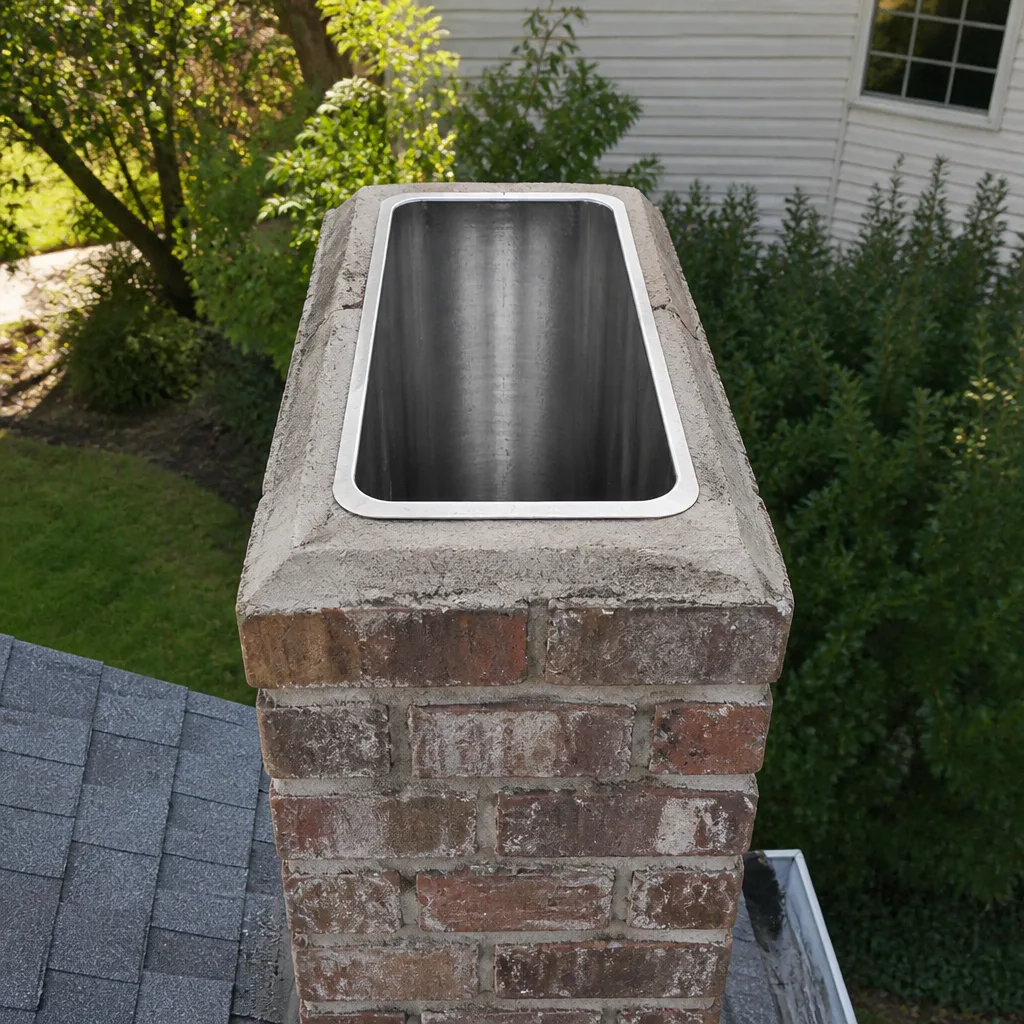
- Liner assessment. Whether the flue liner is intact, cracked, or missing, and what the diagnosis implies for the next fire you build.
- Clearance observation of combustibles near the flue. Insulation packed against a contact point, a stored item against a chimney wall.
If you’re selling a home in Saddle Rock and the buyer’s inspector asked for chimney documentation, this is exactly the packet an insurer or buyer will want to see. If we’ve done the work and found a repair item in the process, we can give you a written estimate on the spot. Call (833) 513-8273 for a free estimate before your next scheduled cleaning.
Understanding the Three Stages of Creosote and Why Each Stage Changes the Job
Creosote is the residual deposit left behind by wood smoke as it cools in the flue. It progresses through three stages, and each stage changes the tooling and time a cleaning job requires.
Stage one. Soot and light, flaky creosote. The most common deposit in a chimney that was cleaned on schedule and burned with good draft. Removed with a standard brush in the course of a normal sweep.
Stage two. A denser, harder deposit that clings to the flue walls. Brushes alone won’t remove it; a rotary tool or a chemical creosote remover is needed. Stage two is where a cleaning takes longer and where the homeowner’s cost goes up.
Stage three. Hard, glazed, tar-like creosote that has become nearly part of the flue wall itself. This is the stage most strongly associated with chimney fires, because it ignites at a lower temperature than the wood you’re burning. Stage three requires rotary tools, chemical treatment, or in severe cases an assessment of whether the flue itself is still serviceable.
High-altitude Saddle Rock burn conditions push a chimney into stage two faster than lower-elevation Front Range homes because the cool, oxygen-thin fires produce more unburned gases that condense in the flue. Locally, that means a chimney that in a lower-elevation town would need a cleaning every two years may need one annually in Saddle Rock. Where stage two is found, we use HeatShield to restore damaged liners when restoration is the right answer. If a liner isn’t the issue and the flue tile is sound, the sweep plus a monitor note is what you actually need.
Our technicians have up to 15 years of experience, and the one thing that experience teaches is that guessing at creosote stage without a camera is how homeowners end up surprised on the next visit. We inspect first, then clean, and we use name-brand materials when repair follows. The brands we stock and are trained on include Olympia Chimney, Famco, Copperfield, DuraFlex, HeatShield, and Gelco. What goes into your chimney matters as much as the labor, which is why we don’t substitute a big-box cap for a precision-fit one.
Red Flags That a Cleaning Was Performed Without a Real Inspection
The homeowner’s real hesitation after a sweep is a version of “how do I know it was actually done?” Here are the tells.
- No written report. A receipt isn’t documentation. If the only thing you got was a hand-scrawled line saying “swept,” no inspection happened.
- The technician never mentioned the cap or crown. The cap is the first thing a real inspection looks at. Leaving it unmentioned is a tell that no inspection was done.
- The cleaning took under 30 minutes. A Level 1 inspection plus a proper sweep on a standard masonry flue takes longer than that. Short jobs mean short sequences.
- No photos. Camera tools have been standard for years. If you didn’t see the inside of your flue on the technician’s phone, you didn’t see the inside of your flue.
- No creosote stage noted. A legitimate report states whether the deposit was stage one, two, or three. That number drives the next interval.
- A “you need a new liner” pitch without camera evidence for you to look at. This is the largest dollar item on a chimney repair and the most common source of homeowner distrust. Nothing should be recommended that you can’t see for yourself.
- No mention of the firebox floor or damper. Both are part of every inspection. Their absence from the conversation means the firebox was never opened.
The single best defense is to ask, before booking, whether an inspection is included and whether the report will include photos. If the answer is “we just do the sweep,” say no thanks. Our Chimney Sweep Saddle Rock service includes the inspection as part of the sequence, not as an add-on. Call (833) 513-8273 and ask the question.
How Often Should You Schedule Chimney Cleaning in Saddle Rock?
Once a year is the standard answer for a wood-burning fireplace, and it’s the right one for Saddle Rock specifically because of the burn conditions here. A few rules of thumb:
- Wood-burning fireplace used regularly. Annual cleaning and inspection. In Saddle Rock, plan for annual rather than the every-two-year interval that some lower-elevation homes use.
- Wood-burning fireplace used only on the odd snow day. Still annual if the fireplace has a firebox and flue. Creosote accumulates by fire, not by calendar, and the first fire of the season produces the worst of it.
- Gas fireplace or vented gas logs. Annual inspection. Gas doesn’t produce creosote the way wood does, but the venting system, the shutoff, and the firebox still need to be checked for obstruction, moisture, and debris every year.
- After any chimney fire, however small. Level 2 inspection, not a Level 1.
- Before buying or selling a home in Saddle Rock. A Level 2 inspection with documentation is expected by most buyers and is generally requested by their inspector.
- After a heavy Colorado wildfire smoke season. Not because smoke enters the flue, but because the pressure swings and heat/cool cycles of a long season are a common time to discover crown cracks and loose mortar.
One call covers it: inspection, cleaning, cap, crown, and repair. If we find a problem during the sweep, we have the parts and training to fix it in the same visit when the fix is safe to do in the same visit, and we’ll tell you clearly when it isn’t. Some repairs can safely wait until spring. We’ll say so when they can.
What Homeowners Can Check and What Must Stay in Professional Hands
There’s a lot a homeowner can reasonably do between cleanings, and there’s a lot that should never be attempted. The division is worth stating plainly.
What you can check yourself:
- Look at the cap on the roof from the ground with binoculars. Missing screen, tilted cap, or rust-through are all visible.
- Open the damper and check for obstructions – bird nests, leaf litter, or the odd piece of fallen masonry.
- Smell the firebox when the fireplace is cold. A persistent smoky or creosote smell is worth mentioning at the next service.
- Watch for smoke rolling back into the room when the fireplace is running, and note whether it started after a certain event.
- Look at the exterior crown and chimney from the ground for visible cracks in the mortar or missing flue tiles.
What stays in professional hands:
- Climbing on the roof. Saddle Rock’s sloped roofs, wind, and winter conditions make this a fall risk most homeowners shouldn’t take. Height work on a chimney is one of the leading causes of homeowner injury in this trade.
- Any brush work inside the flue. The brush itself is straightforward, but the damage a brush can do to a compromised flue tile is not.
- Anything involving the gas line to a gas fireplace or gas logs. Shutoff, connection, and leak checks are for a trained professional.
- Any repair to the firebox, flue liner, or crown. These are load-bearing and fire-containing structures. A cosmetic patch that looks fine and fails in a fire is the worst possible outcome.
Our technicians have up to 15 years of experience specifically with chimney systems, not divided between chimney work and general contracting. Chimney work is all we do, which means it’s all we’re focused on when we’re at your home. If the firebox needs attention in addition to the sweep, we can look at that under our fireplace repair service the same day rather than sending you to a second contractor.
Common Mistakes to Avoid
- Skipping the inspection to save money. The inspection is what turns a sweep into information. A cheap sweep without an inspection is the most expensive version of the job, because it hides what needs fixing until it fails.
- Treating “the chimney looks fine from the ground” as an inspection. The flue interior is where creosote glazes and cracks form. Nothing about the chimney’s internal condition is visible from the driveway.
- Burning unseasoned wood to save on fuel. Green wood produces more unburned gases, and in Saddle Rock’s thin air those gases condense into stage two creosote at a higher rate. Cost saved on the cord, cost paid at the next cleaning.
- Waiting until the first cold snap to book. The first cool evening of the fall is the worst creosote-producing fire of the year. Cleaning and inspection in the warmer months, before it happens, is the better calendar.
- Ignoring the cap and crown because they’re “on the roof and out of sight.” The cap and crown are what keep rain, snow, and wind-driven debris out of the flue. A cracked crown that lets meltwater in turns stage one creosote into stage two by spring.
- Accepting a “you need a new liner” quote without camera evidence. This is the biggest-ticket chimney repair. Ask to see the flue on screen. A legitimate technician will have the footage ready.
- Assuming gas is “no maintenance.” Gas fireplaces still need the venting checked annually. A blocked vent on a gas unit is a carbon monoxide hazard, which makes the annual inspection more important, not less.
See the difference
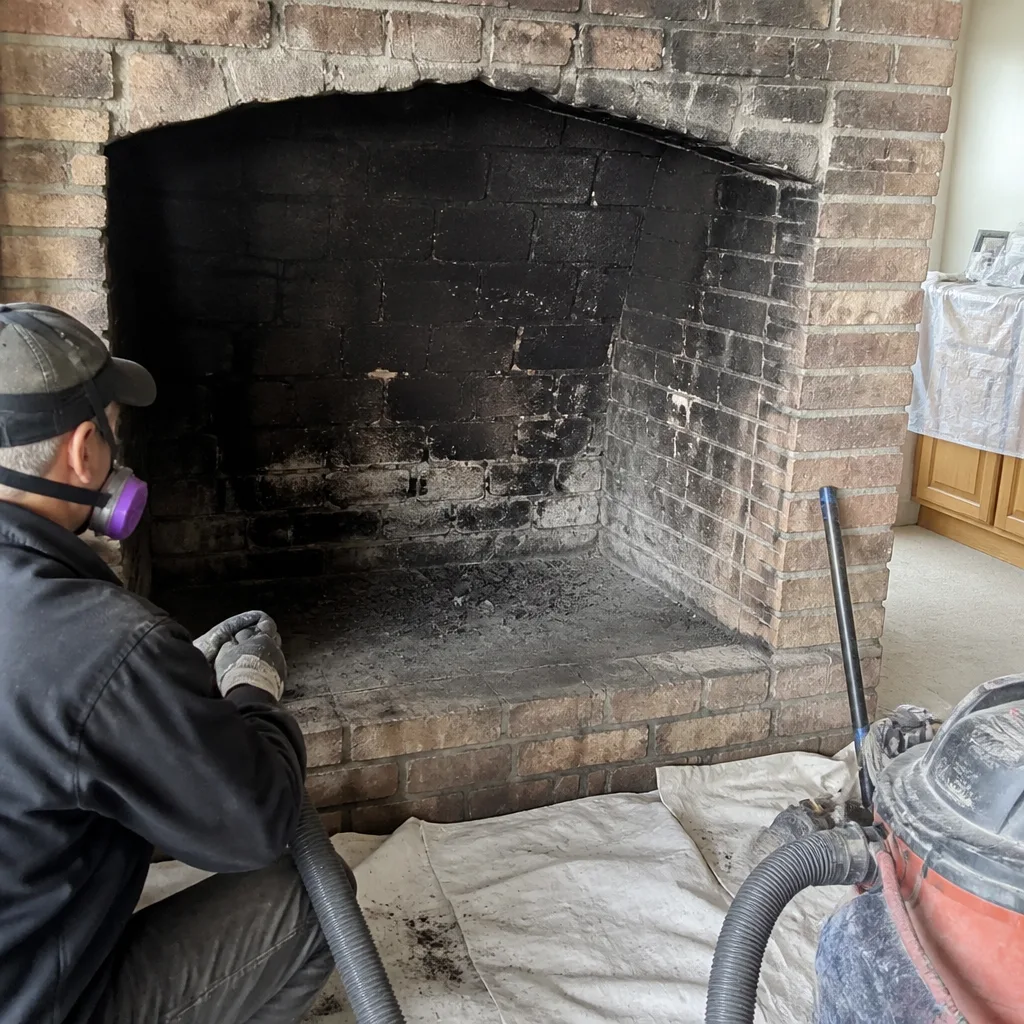 Before
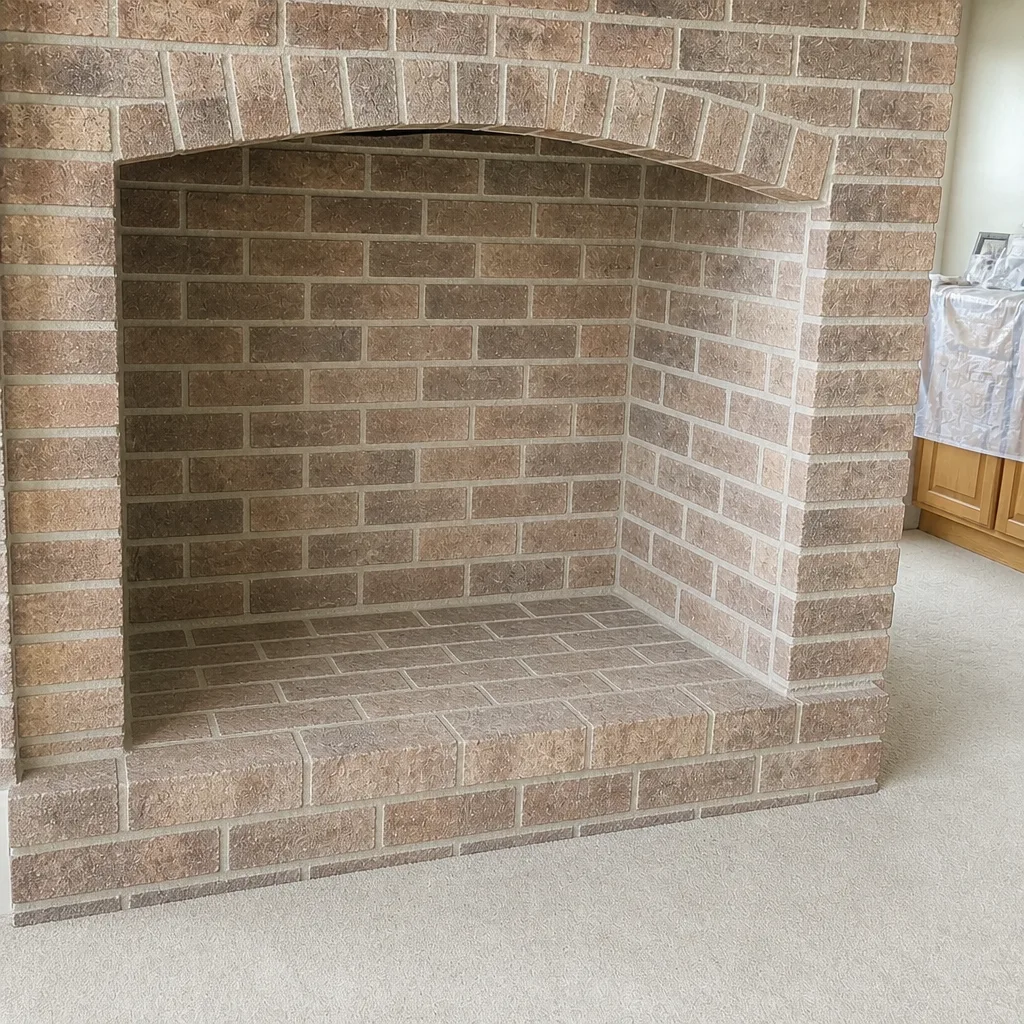 After
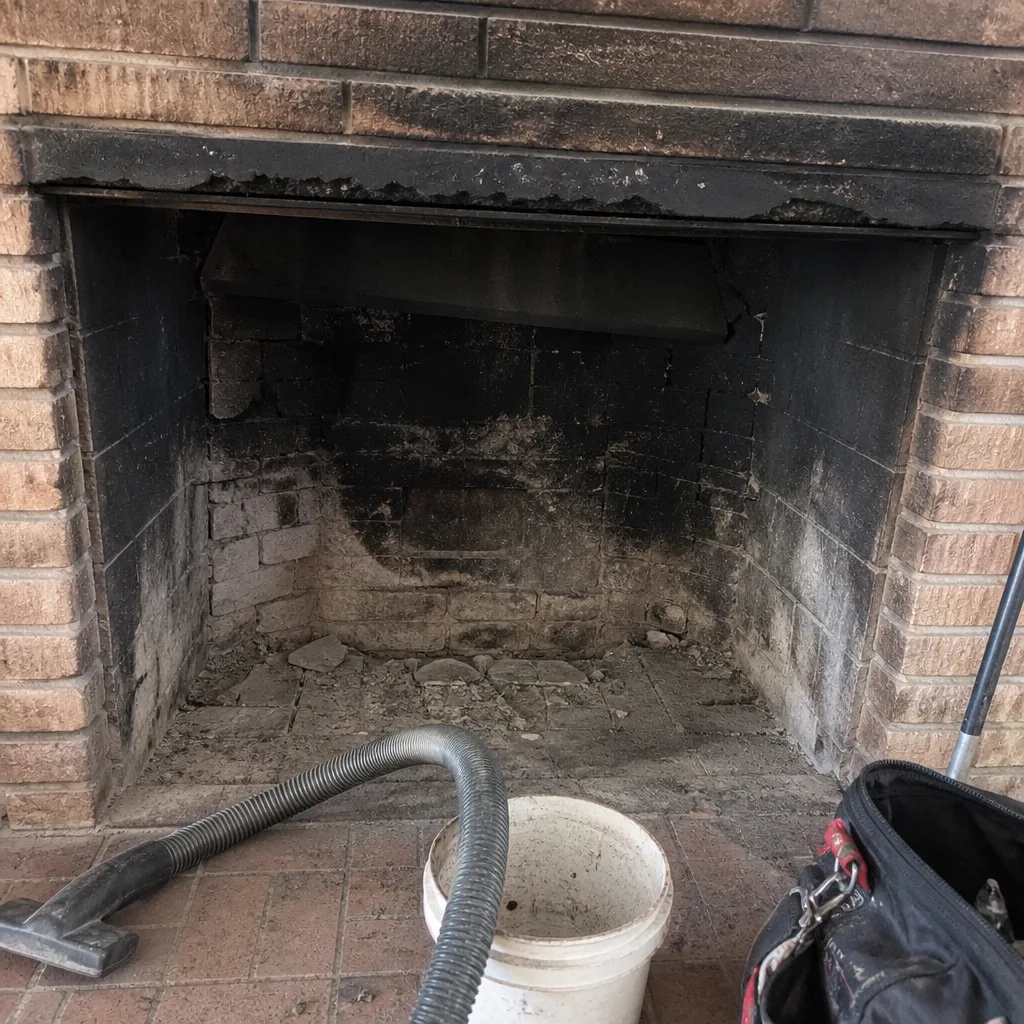 Before
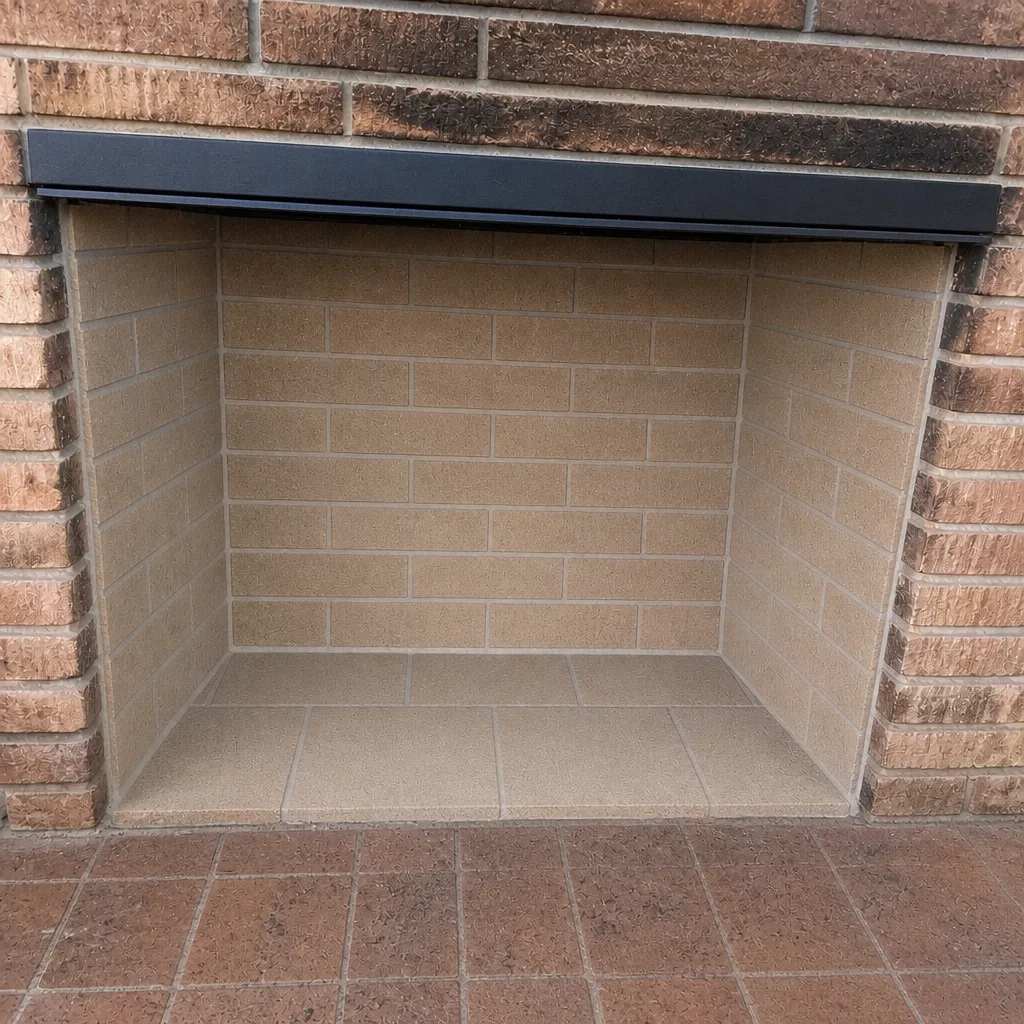 After
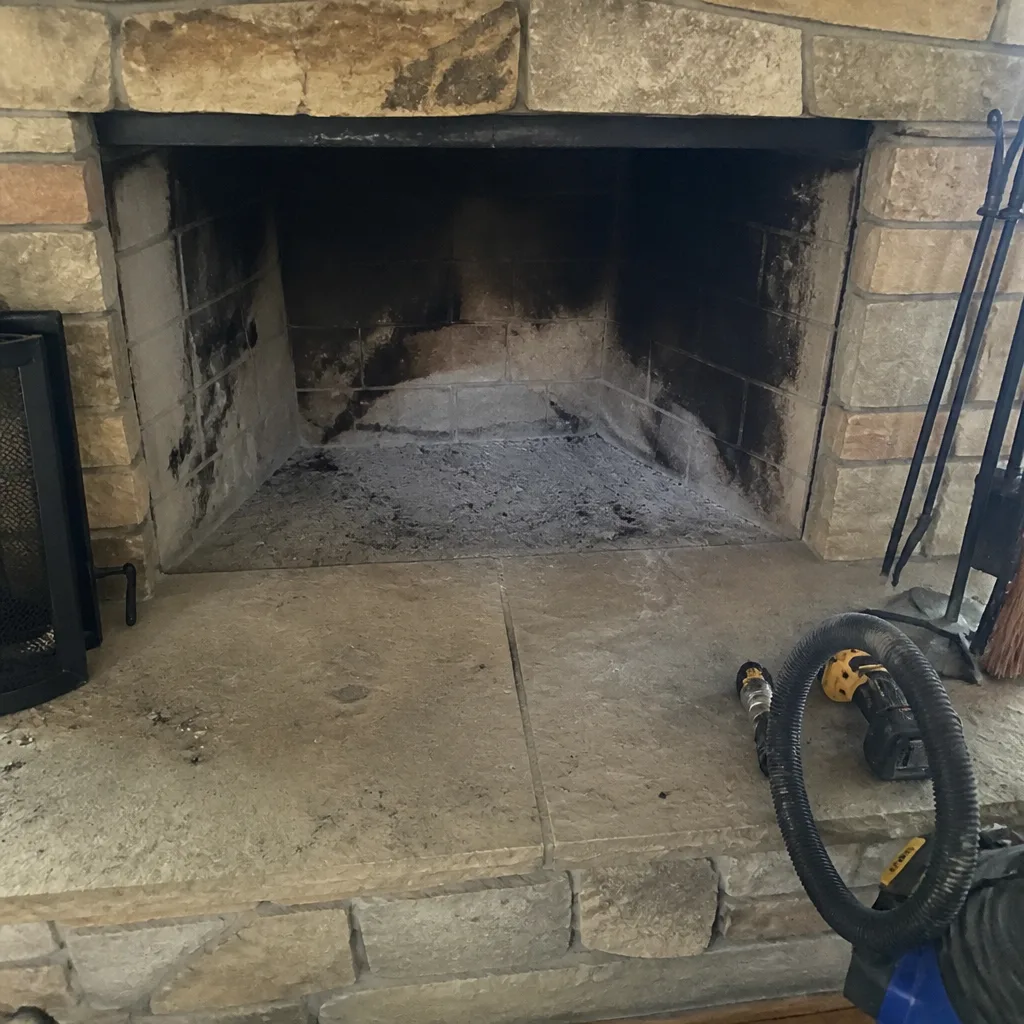 Before
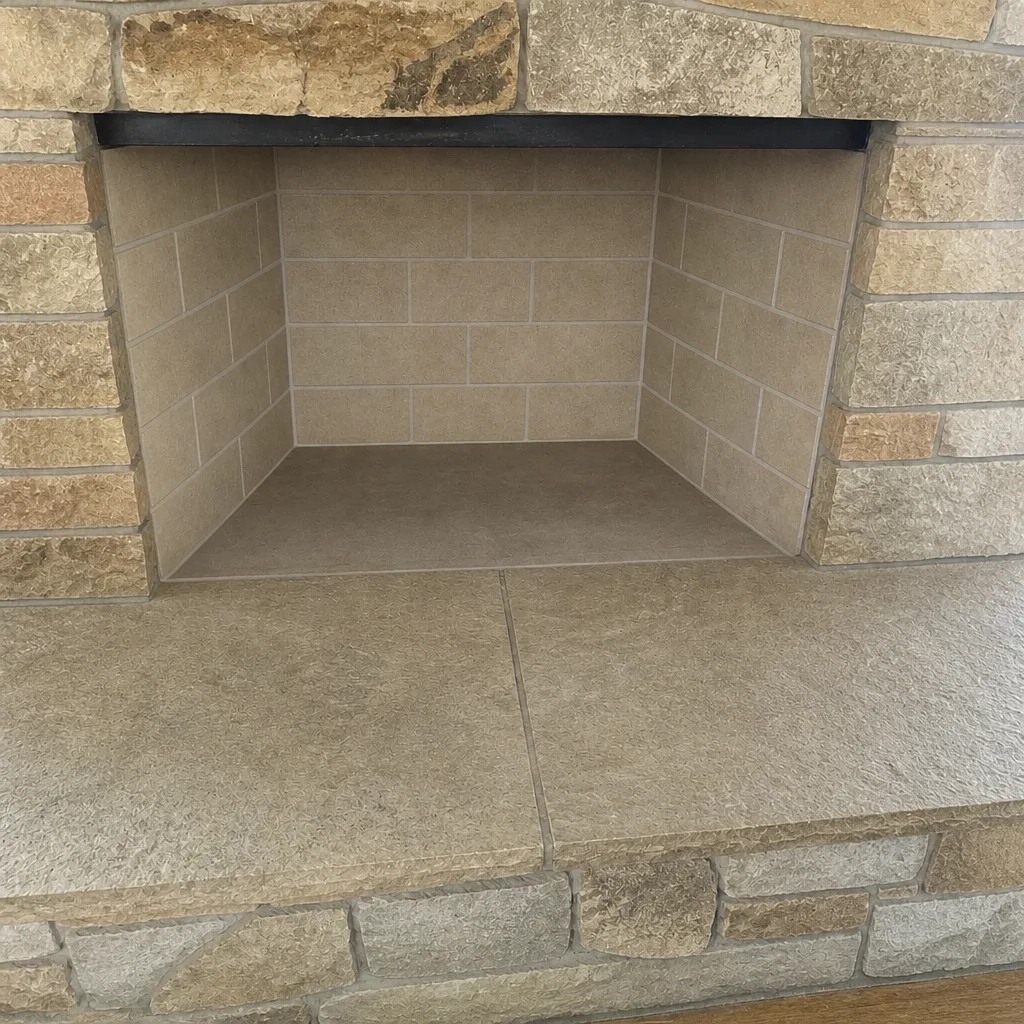 After
When to Call a Professional
Call a professional before your first fire of the season if you can’t remember the last cleaning, and call regardless of schedule if any of these applies: you’ve had a chimney fire, however small; the fireplace smokes back into the room; you notice a smoky smell in the house when the fireplace isn’t running; the crown is visibly cracked or the cap is missing; you’re buying or selling a home in Saddle Rock; you’ve never had the flue inspected by camera; or you’re burning wood that isn’t fully seasoned. Call a professional immediately if you smell gas near a gas fireplace or if the firebox has visible cracks in the brickwork. Chimney Sweep Saddle Rock offers free estimates in Saddle Rock. Call (833) 513-8273. We answer 24/7. Fast dispatch from 7am to 7pm, Sunday through Friday.
Frequently Asked Questions
The cost depends on the level of inspection, the creosote stage found, and the flue’s construction and access. A standard cleaning with a Level 1 inspection sits at the lower end. A Level 2 inspection with camera work, or removal of stage two or stage three creosote, costs more because of the tooling and time. The written estimate sets the final price, and we don’t recommend work without camera evidence you can see for yourself. Call (833) 513-8273 for a free estimate.
Not always, and a liner should never be recommended without camera evidence of the flue’s condition. A cracked or missing clay tile flue is a genuine problem because a wood-burning fireplace relies on the flue to contain combustion gases and heat. Where the flue is damaged, we look at HeatShield liner restoration before recommending a full liner replacement, because restoration is often the right answer when the tile is intact but the joints have opened. Ask to see the flue on camera before you buy anything. Call (833) 513-8273 for a free estimate.
Once a year for wood-burning fireplaces, and once a year for gas fireplaces as an inspection even when no creosote is present. Saddle Rock’s elevation is a reason to hold to that interval rather than stretch it to every other year, because the cooler, thinner-air fires here produce more unburned gases that condense in the flue. Chimneys used heavily, or burned with unseasoned wood, may need more frequent service. Call (833) 513-8273 for a free estimate.
The creosote in the flue moves through its stages and eventually reaches stage three, which is the glazed, tar-like deposit most strongly associated with chimney fires. A stage three fire can breach the flue. Separately, a blocked or damaged flue can push combustion gases back into the house, which is a carbon monoxide hazard. The failure isn’t sudden or random; it builds quietly over a few seasons. Call (833) 513-8273 for a free estimate.
A Level 2 inspection. The heavy smoke season itself doesn’t put creosote in the flue, but the pressure swings, cool cycles, and heavy particulate fallout of a long season are a common time to find crown cracks, loose mortar, and cap damage that were not visible before. A Level 2 with a camera run is the inspection that finds those. Call (833) 513-8273 for a free estimate.
The report should list the inspection level, the creosote stage found, pre-sweep and post-sweep photos of the flue, the condition of the cap and crown, the liner assessment, and any clearance issue near the flue. It should also tell you which findings can safely wait and which need attention now. A receipt with “swept” on it is not a report. Call (833) 513-8273 for a free estimate.
The Bottom Line
A proper chimney cleaning in Saddle Rock is a sequence: inspection first, then the brush, then post-sweep verification, then a written report with photos. Skip any step and the remaining steps lose their purpose. The high-altitude burn conditions here move creosote through its stages faster than at lower elevations, so annual cleaning and inspection isn’t optional maintenance in Saddle Rock, it’s the baseline. If you’re unsure what level of inspection you need, or if the last cleaning you had produced nothing more than a receipt, call (833) 513-8273. We answer 24/7. Fast dispatch from 7am to 7pm, Sunday through Friday.
Written by the team at Chimney Sweep Saddle Rock.