
Last updated November 23, 2026
 Sweep & inspection
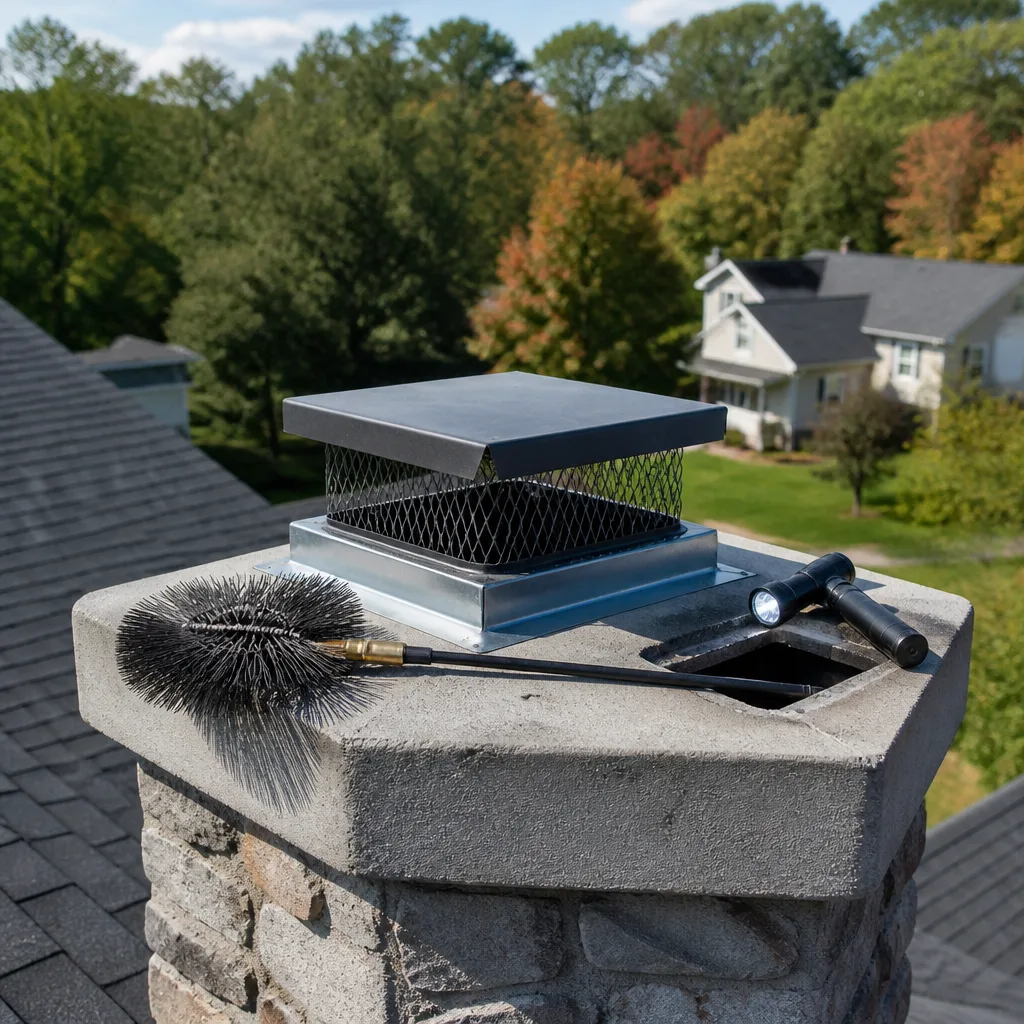
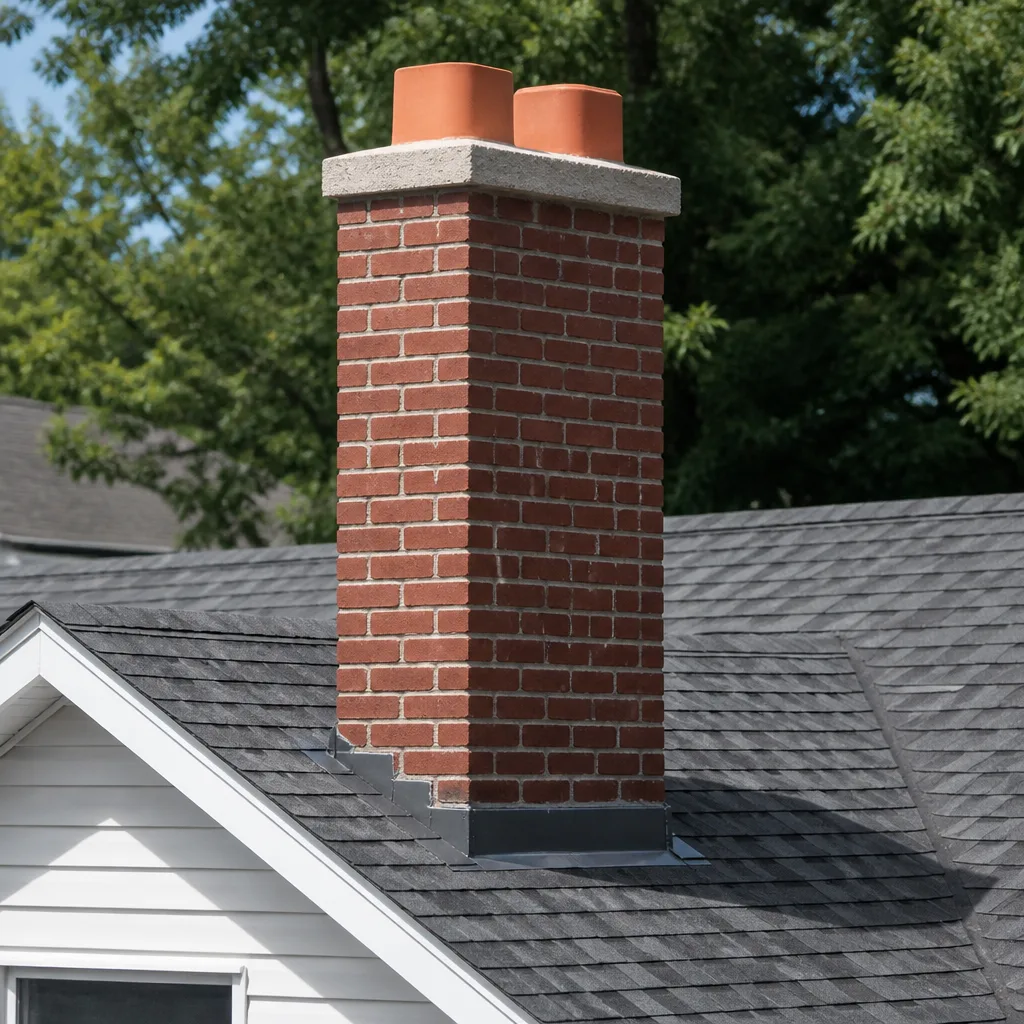
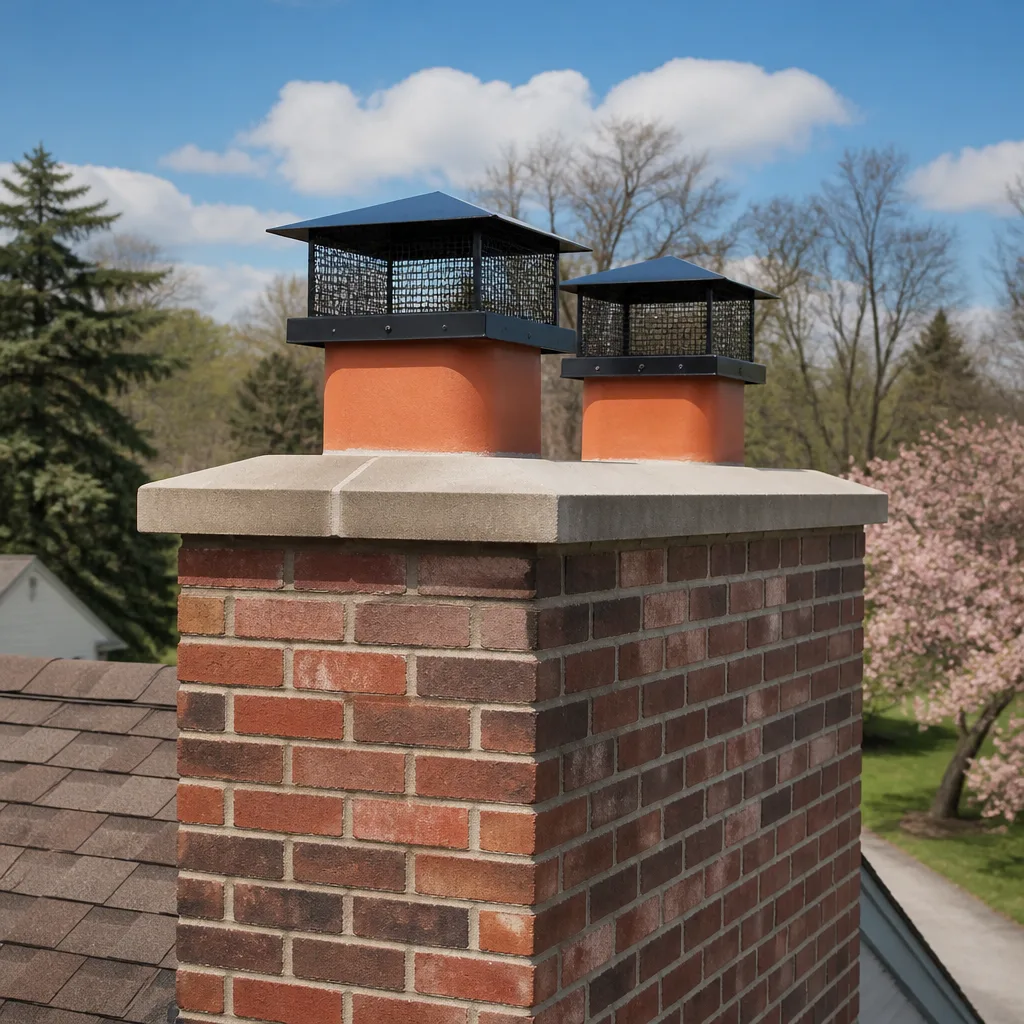 Caps & crowns
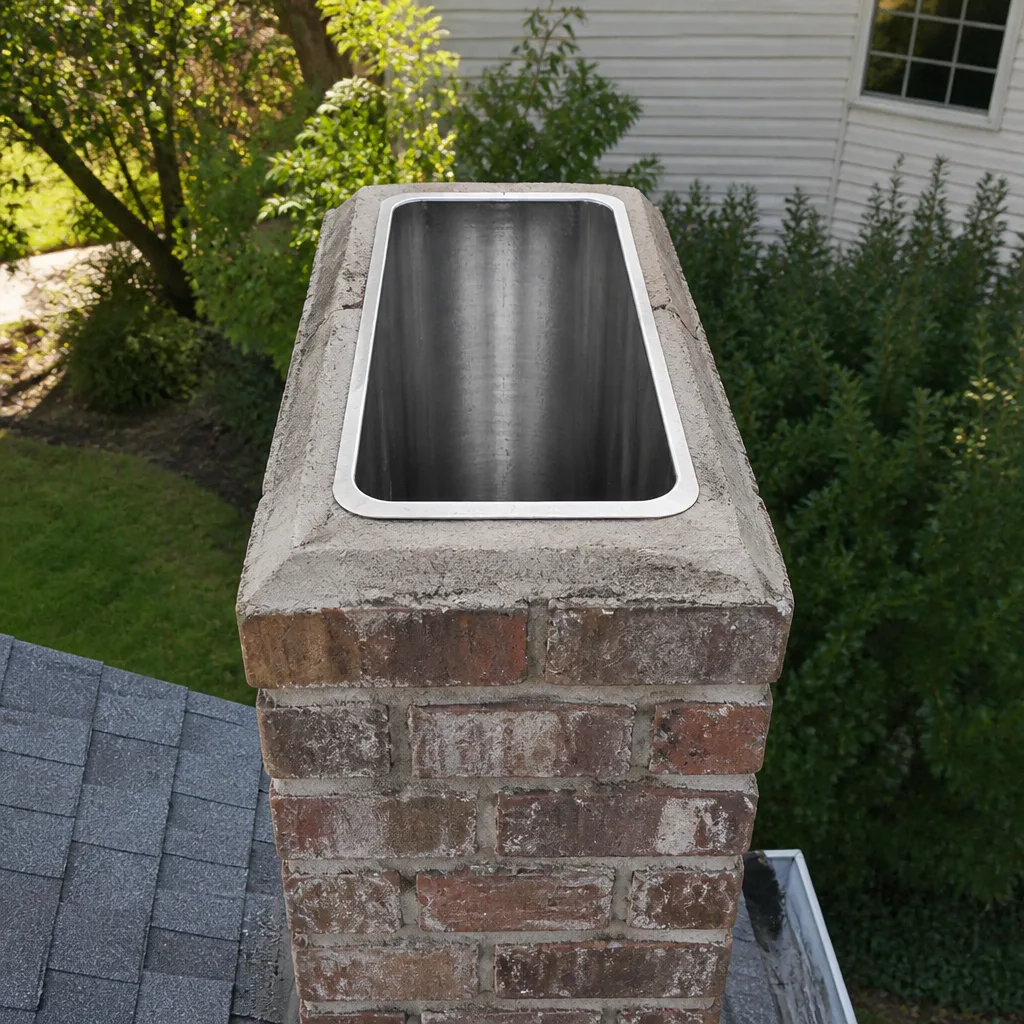 Flue relining
 Masonry repair
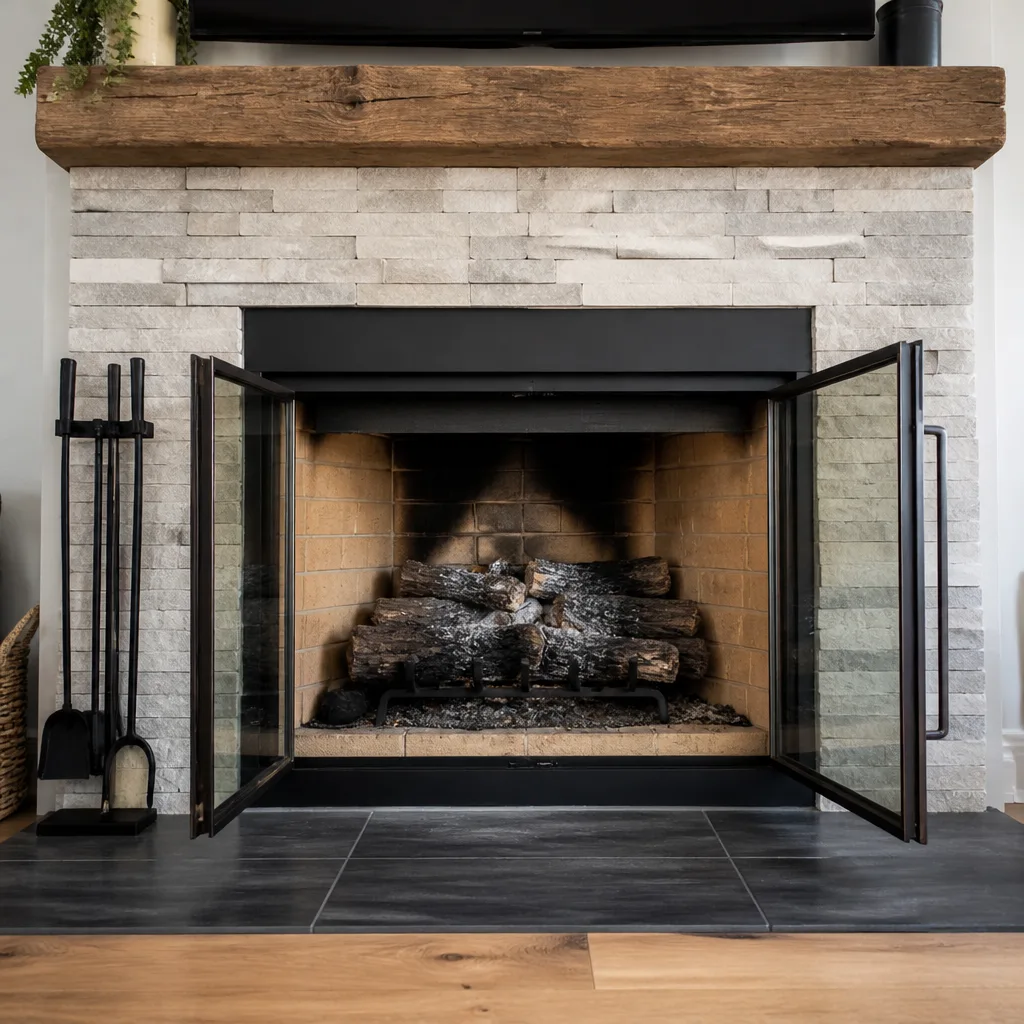 Gas fireplace service
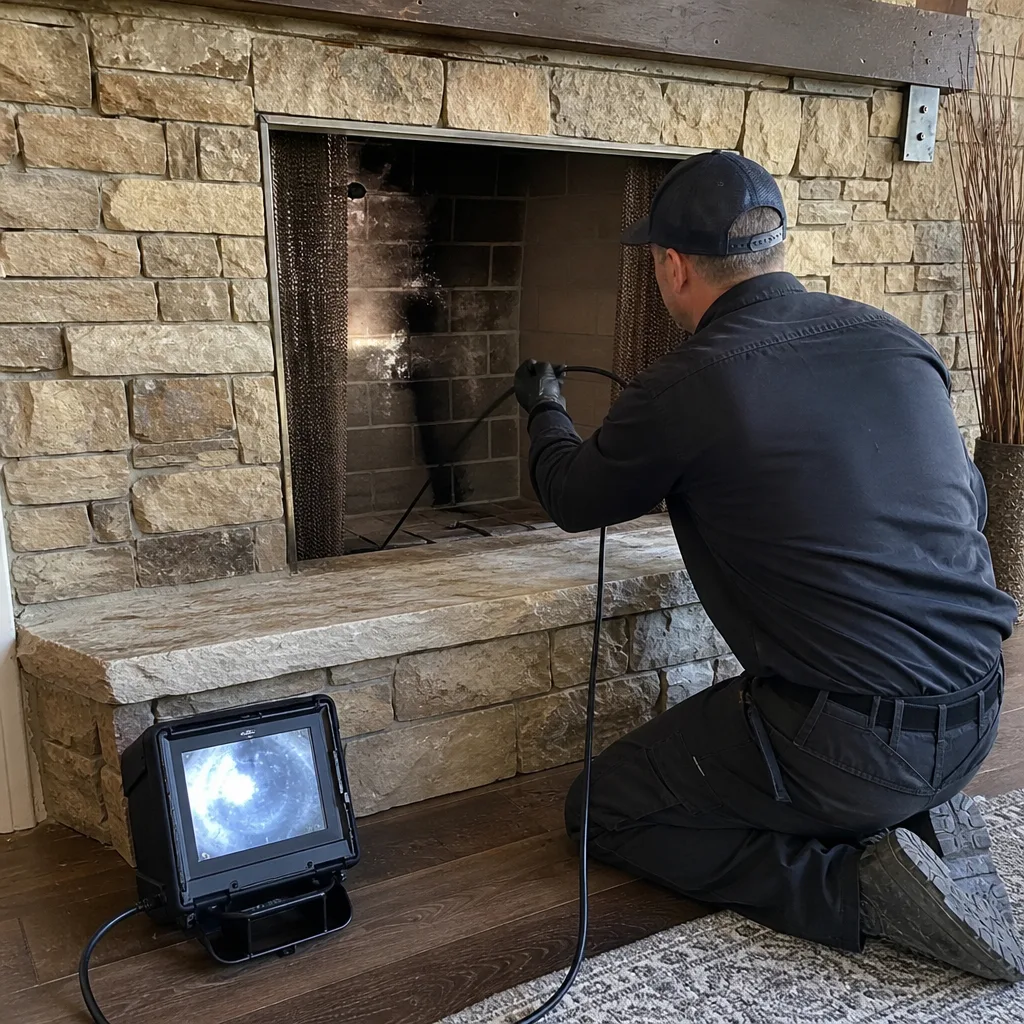
Level 1 sweep and inspection to the NFPA 211 annual standard - flue, crown, cap, and flashing checked and photographed
Chimney sweep logs do not sweep chimneys. They loosen some creosote - which then falls where a brush and vacuum still have to collect it.
How to Hire a Chimney Cleaning Contractor in Saddle Rock: A Step-by-Step Guide
Any contractor can buy a chimney brush and a shop vac. The credential that separates a trained chimney specialist from someone who watched a few videos is specific, and most homeowners never ask for it. It’s not the truck, the website, or the price. It’s whether chimney work is the whole job or just one line item among twenty. Saddle Rock has plenty of homes with wood-burning fireplaces and the dry, windy Front Range weather that makes a clean, sound flue matter, and this guide gives you the exact questions and checks that tell a dedicated chimney specialist from a generalist who added sweeping to the menu.
Quick Answer
To hire a chimney cleaning contractor in Saddle Rock, verify that the company does chimney work full-time, ask whether their technicians hold professional chimney certification, confirm they carry liability insurance that covers chimney-specific work, and insist on a written inspection report after the sweep. A legitimate company will inspect before quoting repair work, put findings in writing, and never give you a firm repair price before anyone has looked up the flue. In Saddle Rock, where wind-driven debris and dry air make annual inspections worthwhile, those four checks separate a real specialist from a side-service handyman.
Styles & brands we work with
- Sweep & inspection
- Caps & crowns
- Flue relining
- Masonry repair
- Gas fireplace service
Table of Contents
- Specialist vs. Generalist: What Actually Separates Them
- The Three Questions to Ask Before You Book
- What Chimney Certification Actually Verifies
- Why a Quote Before Inspection Is a Warning Sign
- How to Verify Colorado Chimney Insurance Coverage
- What a Legitimate Post-Service Report Should Contain
- What Chimney Cleaning Costs in Saddle Rock
- Common Mistakes to Avoid
Specialist vs. Generalist: What Actually Separates Them
The chimney industry has no single government gatekeeper. A general contractor can add “chimney sweeping” to a service list and start taking calls, and nothing about that paperwork proves they know a firebox from a smoke chamber. That’s why the distinction between a full-time chimney specialist and a generalist is the first thing to sort out, and it’s the foundation of everything else in this Saddle Rock guide.
A dedicated chimney company covers the full lifecycle of the system: sweeping, inspection, liner evaluation, cap and crown work, and structural repair. That range matters because the person sweeping your flue is also the person who will notice a cracked crown or a deteriorated liner. If the company can only sweep, then every problem they find becomes a referral, and problems that get handed off sometimes get dropped. We’re a chimney-only operation, so our technicians are trained in chimney systems rather than splitting attention across roofing, HVAC, and general contracting.
Here’s the practical difference in a Saddle Rock home. A wood-burning fireplace in this climate sees real seasonal use, and the wind that comes off the foothills pushes debris and drafts into caps and crowns. When a specialist sweeps, they’re reading the whole system: how the cap fits, whether the crown sheds water, whether the liner is intact. A generalist sweeps, bags the soot, and leaves. Ask any company you interview a simple question: what do you do if you find a damaged liner during the sweep? A specialist has an answer that involves repair. A generalist has an answer that involves a phone number.
- Full-time chimney focus: the company’s core business is chimneys, not one service among many.
- Full lifecycle capability: sweep, inspection, cap, crown, liner, and repair under one roof.
- Professional-grade materials: name-brand components such as DuraFlex, HeatShield, Gelco, Olympia Chimney, Famco, and Copperfield rather than generic substitutes.
- Written findings: the inspection produces documentation, not just a verbal summary.
The Three Questions to Ask Before You Book
These three questions reveal quickly whether a company does chimney work full-time or treats it as a side service. Ask them on the phone before anyone comes out. A specialist answers without hesitation.
- “What percentage of your work is chimney-related?” A dedicated chimney company will tell you it’s essentially all of it. A generalist will give a vague answer or list several unrelated trades. If chimneys are a sidelight, the training and the parts inventory reflect that.
- “Which professional brands do you install?” Specialists work with names like DuraFlex, HeatShield, and Copperfield because those are what liners and restoration systems are built from. A company that can’t name a professional brand is likely sourcing generic parts from a big-box store.
- “Can you repair what you find, or do you refer it out?” The answer tells you whether the inspection and the repair live in the same place. If they don’t, you’re hiring two contractors and hoping the handoff works.
In our experience, the third question is the one homeowners wish they’d asked first. Chimney work is interconnected. A sweep reveals a problem, the problem needs a part, and the part has to be the right one for your flue. When inspection and repair are handled by the same team, nothing gets lost between the person who found the issue and the person who fixes it. That single-source setup is why a company that also installs caps and crowns can act on what the sweep turns up. You can read more about the cleaning step itself on our chimney sweep page.
What Chimney Certification Actually Verifies
Chimney certification verifies that a technician has been tested on chimney and venting systems specifically, not on general construction. The most recognized credential in this trade is CSIA certification from the Chimney Safety Institute of America. It covers how chimneys vent combustion gases, how liners fail, how to inspect and sweep safely, and the code standards that govern the system. It is not the same as a general contractor license, and it is not something a homeowner can assume is in place.
Why does this matter more than general licensing for chimney work? Because a general contractor license proves someone can build and remodel. It says nothing about whether they understand draft, creosote behavior, or the difference between a clay tile liner and a stainless one. Chimney systems have their own rules, their own failure modes, and their own safety stakes. Ask directly whether the technicians hold current CSIA certification and whether the company can show it. A specialist will answer clearly.
Certification also implies ongoing training. A technician who recertifies stays current on code changes and product updates, which matters when the repair involves a restoration system like HeatShield or a liner such as DuraFlex. These aren’t products you learn once and install the same way forever. Our technicians have up to 15 years of experience, and that tenure is specifically in chimney systems, not in a dozen unrelated trades. When you hire in Saddle Rock, ask what the technician is certified in, not just what the company claims.
Why a Quote Before Inspection Is a Warning Sign
A firm price quoted before anyone has looked up the flue is a warning sign, not a convenience. Chimney repair depends on what the camera sees. Liner condition, crown integrity, flue dimensions, and the amount of glazed creosote all change the scope of work. A company that gives you a repair price over the phone, sight unseen, is guessing, upselling, or both. No honest specialist can tell you what a liner job costs without inspecting the liner.
The right sequence is straightforward:
- Book the sweep and inspection. Cleaning and evaluation happen together because you can’t judge a flue you haven’t cleared.
- Get the camera findings. A legitimate inspection includes video and photos of the flue interior.
- Review the written report. Findings are documented with images you can see for yourself.
- Get the written estimate for any repair. The price reflects what was actually found, and it’s presented before work begins.
This order protects you. When a company quotes repairs before inspecting, there’s no way for you to verify whether the work is needed. When the inspection comes first, you see the evidence and you decide. We won’t recommend liner, crown, or masonry work without camera documentation you can review yourself, and we’ll say plainly when a finding can safely wait. That’s the standard to hold any Saddle Rock chimney company to. The sweep and the inspection should come before the estimate, always.
How to Verify Colorado Chimney Insurance Coverage
Ask for a certificate of insurance that shows general liability coverage, and confirm that the policy is active. Chimney work in Colorado involves roofline access, ladders, and the possibility of damage to a home’s interior and exterior. A company that can’t produce a current certificate, or one whose coverage is generic and unrelated to the work, is a risk you shouldn’t carry.
Here’s how to check it without overcomplicating the call:
- Request the certificate directly. Any legitimate company can email a certificate of insurance. If it’s hard to get, that’s your answer.
- Confirm the policy is current. Look at the effective dates, not just the document’s existence.
- Ask what it covers. General liability should extend to the kind of work being done at your home, including roof access and interior protection.
- Ask about worker coverage. If someone is injured on your property, you don’t want to be the one exposed.
Colorado’s climate raises the stakes. A chimney on a Saddle Rock home takes freeze-thaw cycles in winter and dry, windy stretches the rest of the year, so crowns and caps crack and loosen. Repair work at the roofline is exactly the kind of job where liability coverage matters. A specialized chimney company carries the right coverage for that work. A generalist who sweeps on the side may not. This is one of the simplest checks you can make, and one of the most important. Verify before you book, not after.
What a Legitimate Post-Service Report Should Contain
A legitimate post-service report is written, includes photos or video of the flue interior, and documents what was found and what condition it’s in. Verbal-only findings are unacceptable for a simple reason: you can’t review what you can’t see, can’t verify a claim without evidence, and can’t hand documentation to a buyer or insurer if it only exists in someone’s memory. If you’re selling a home, a written report is the record a buyer’s inspector will look for. If you’re staying, it’s the baseline that tells you what changed from last year.
Look for these elements:
- A clear description of what was swept and how much soot and creosote was removed.
- Camera images of the flue interior, including any damage to the liner, joints, or crown.
- A stated condition of the cap and crown. Loose or missing caps, cracks, and gaps at the roofline.
- Findings on the firebox and smoke chamber, where deterioration often starts.
- A recommendation for each finding, with the option to defer and why.
Ask any Saddle Rock chimney company what report you’ll receive before you book. If the answer is “we’ll tell you what we find,” that’s not enough. You want documentation, and you want it whether or not there’s a problem. A clean report with photos is as valuable as a report that flags a repair, because it establishes the flue’s baseline condition. Combined with a written estimate for anything that needs attention, the report is the whole record of the visit. The cleaning is the visible service. The documentation is the value you keep.
What Chimney Cleaning Costs in Saddle Rock
A chimney sweep in Saddle Rock is typically an estimate-per-job service, and the final price is set by the written estimate after the company has seen the flue. Cleaning and inspection are usually quoted together because they happen in one visit. Repair work, if any, is quoted separately, after the camera inspection. Because chimney work varies with flue condition, liner type, and how much buildup is present, a company that puts a firm number on cleaning before an inspection is guessing. Expect a written estimate for the visit, and a separate written estimate for any repair that the inspection turns up.
What shapes the estimate:
- Type of flue. A wood-burning fireplace, a gas insert, and a fireplace with a liner all sweep differently.
- Buildup level. Glazed creosote takes more work than soot and light deposits.
- Inspection scope. Camera inspection and the written report are part of the visit, not an add-on.
- Repair findings. A cap, crown, or liner job is priced separately from the sweep.
Saddle Rock’s dry air and windy patterns mean drafts push debris into caps and crowns, and the freeze-thaw of winter works on exterior masonry. That’s context, not a price. The estimate you get should be specific to your flue, not a published flat rate. When a company gives you a written estimate with the price set per job, you know the number reflects your chimney. The written estimate sets the final price, and it should be presented before anything is done. That’s the standard for any chimney work in Saddle Rock. Estimates are free, and you can call for yours before the season turns.
Common Mistakes to Avoid
- Hiring whoever is cheapest without asking about certification. The lowest price often reflects the shortest training. Ask about professional chimney certification before you ask about cost.
- Accepting a repair quote before an inspection. If the number comes before the camera, it isn’t based on your chimney. Repairs should be quoted after documentation, never before.
- Taking verbal findings as the whole report. A sweep that ends with “you’re all set” and no paperwork leaves you without a record. Insist on a written report with photos.
- Skipping the cap and crown check. In Saddle Rock’s wind and freeze-thaw, a loose cap or cracked crown is common. If the sweep doesn’t address the roofline, it isn’t a full inspection.
- Assuming a general contractor’s license covers chimney work. It doesn’t verify chimney-specific training. Certification and insurance are the checks that matter here.
- Hiring a side-service company and getting a referral for repairs. If they can’t fix what they find, the problem gets passed along and sometimes dropped. A single-source specialist handles both.
- Deferring the annual inspection because the fireplace hasn’t been used much. A flue that sat unused still accumulates debris and still needs a look before the next season. Skipping it removes your baseline.
When to Call a Professional
Some chimney situations aren’t a year-out question; they’re a call today. Call a professional if you’re buying or selling a Saddle Rock home and need a documented inspection, if you’ve never had the flue inspected and don’t know its condition, or if a chimney cap is loose or missing after a wind event. Call if you smell smoke in the house when the fireplace is running, if you see cracked masonry on the crown or visible gaps at the roofline, or if the firebox or damper shows damage. Call before the wood-burning season starts so any repair can be handled ahead of the first burn. Chimney Sweep Saddle Rock offers free estimates in Saddle Rock, and we can work with your insurer if needed. Call (833) 513-8273.
See the difference
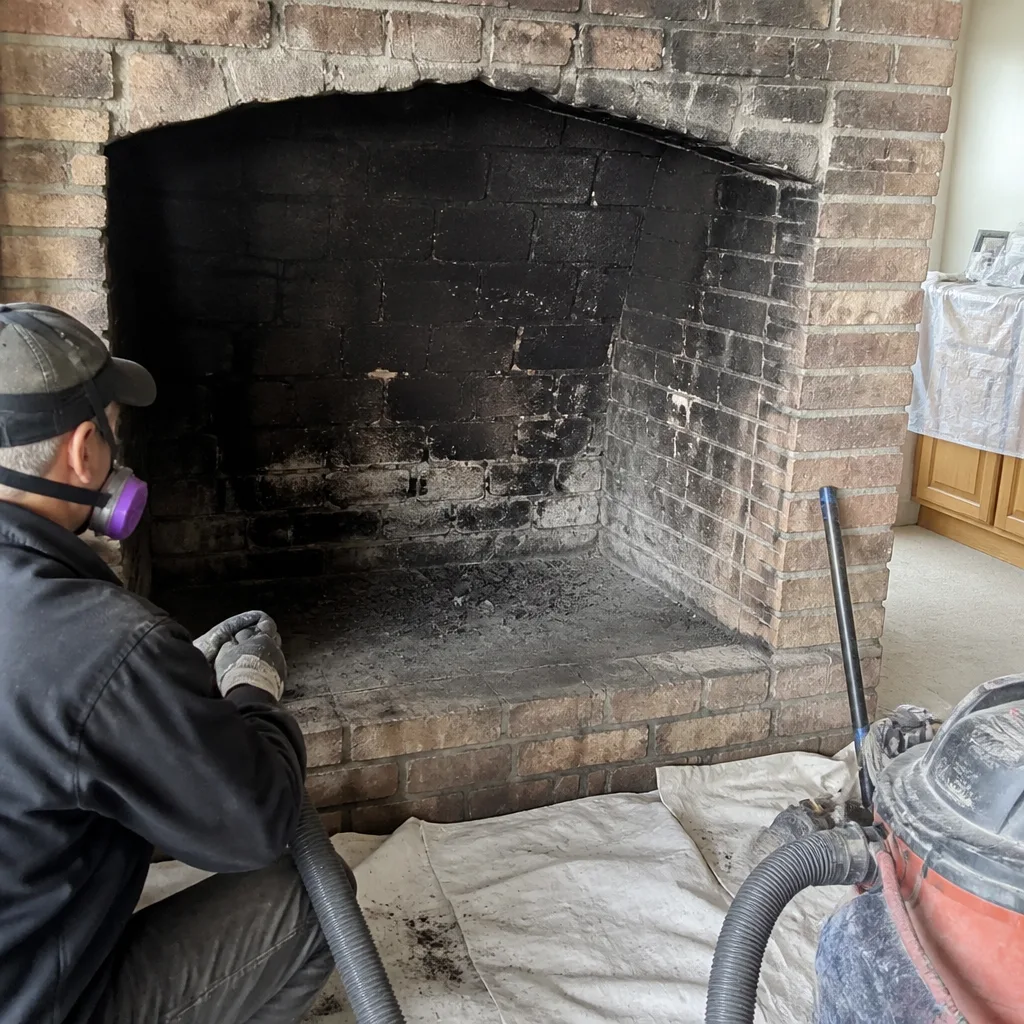 Before
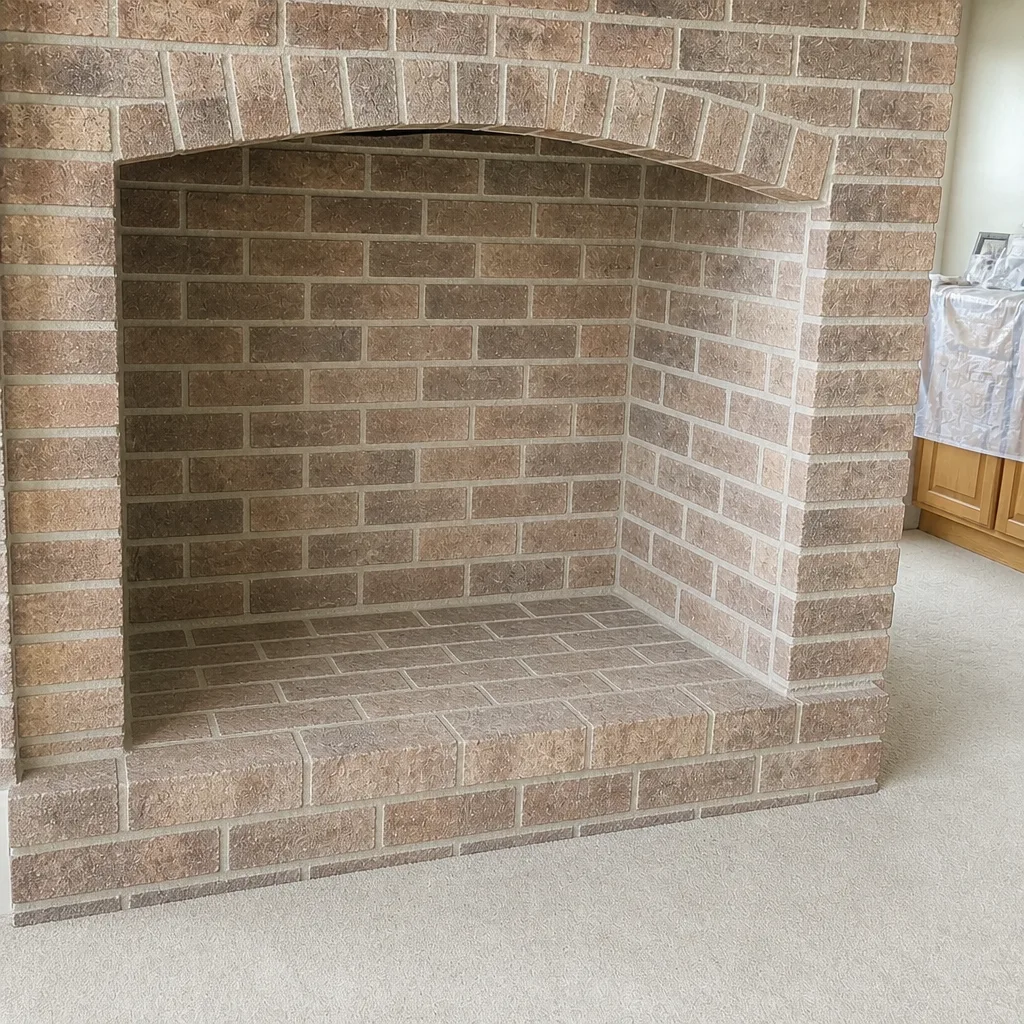 After
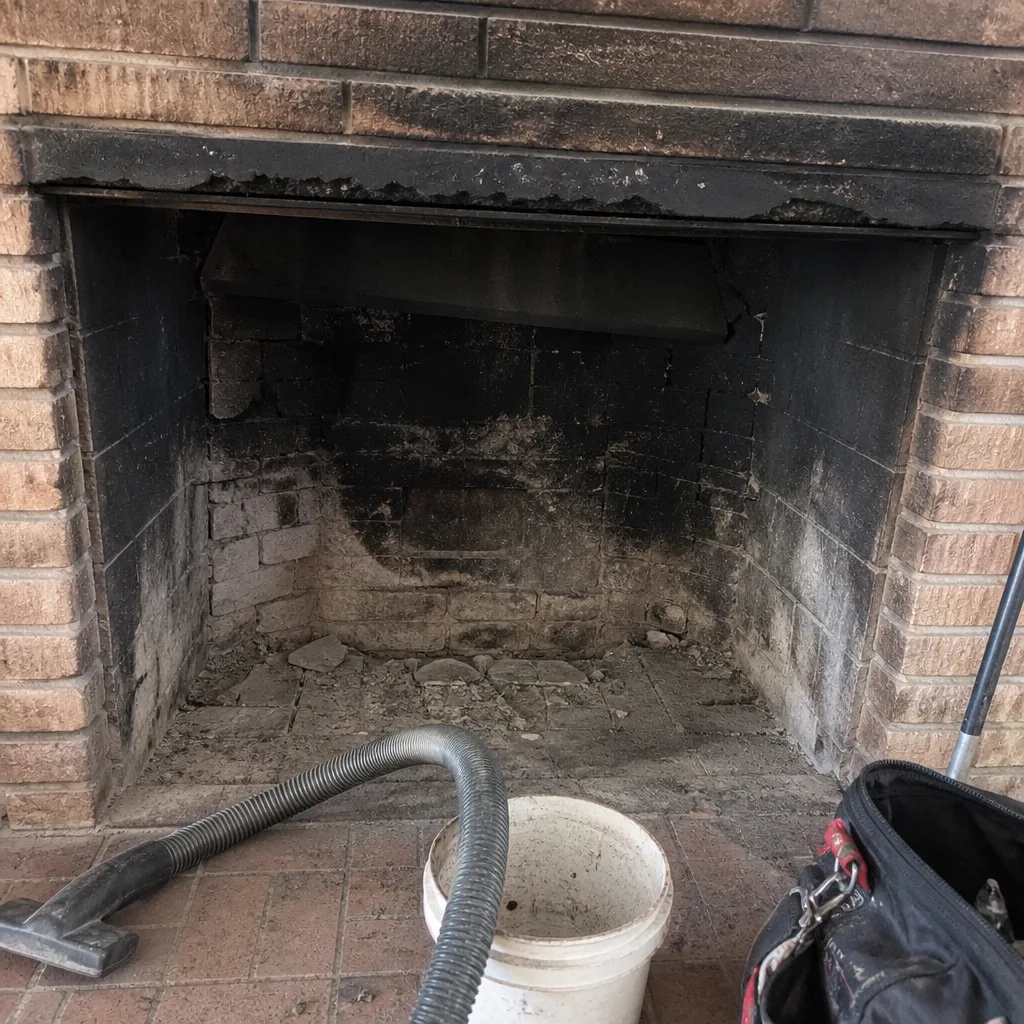 Before
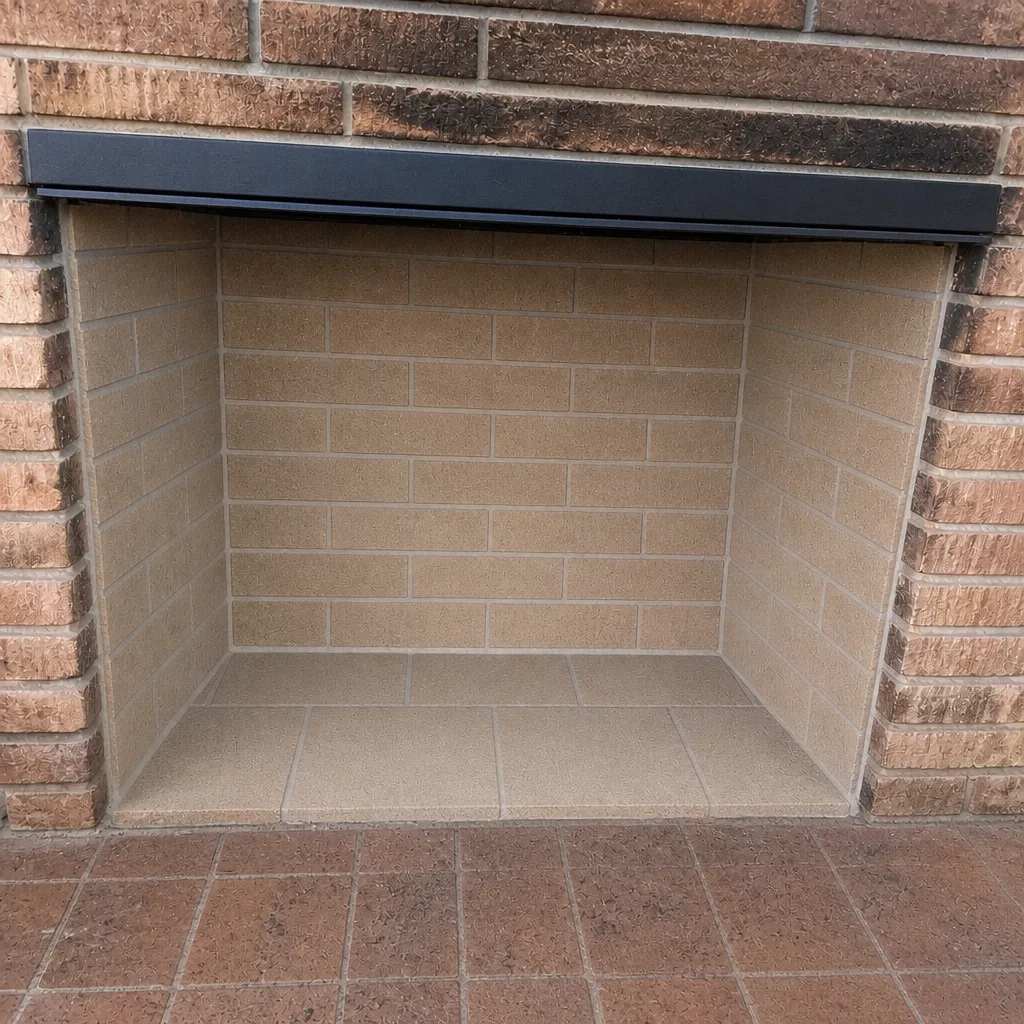 After
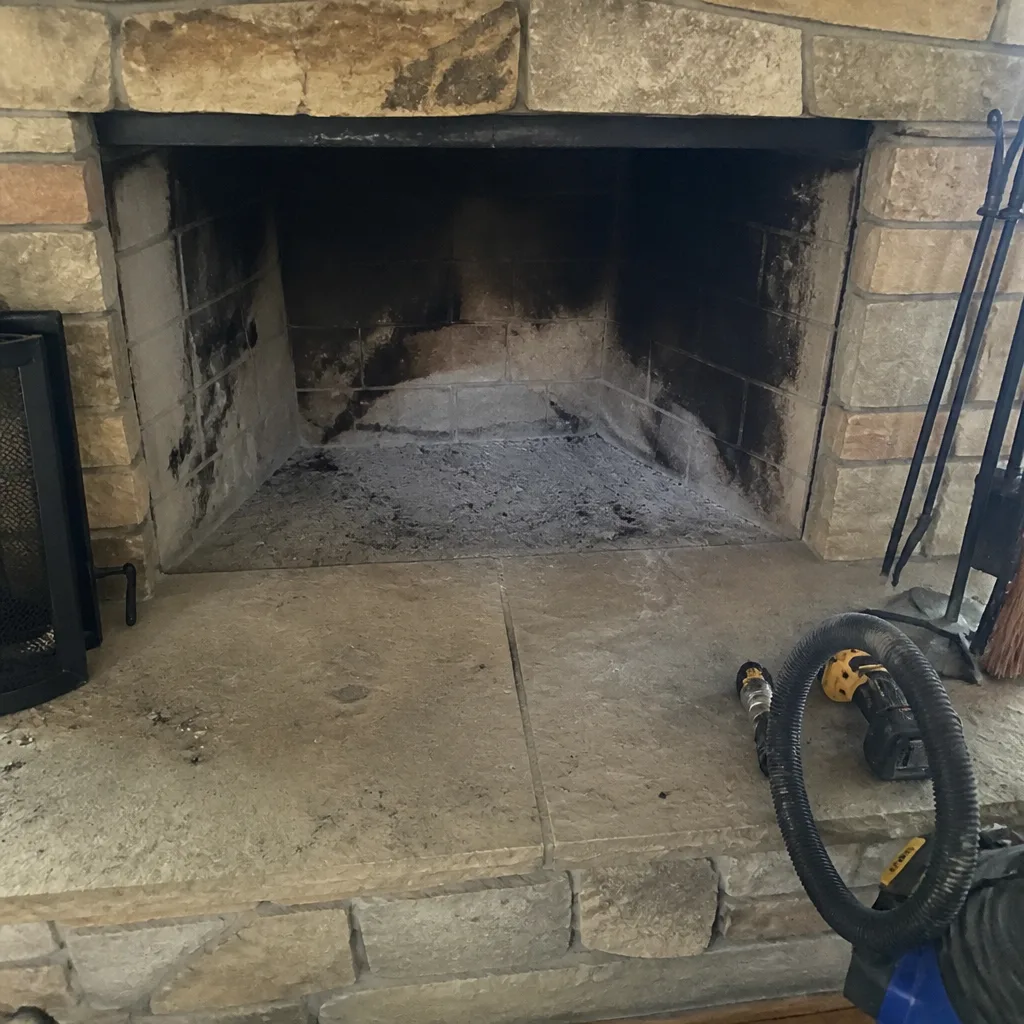 Before
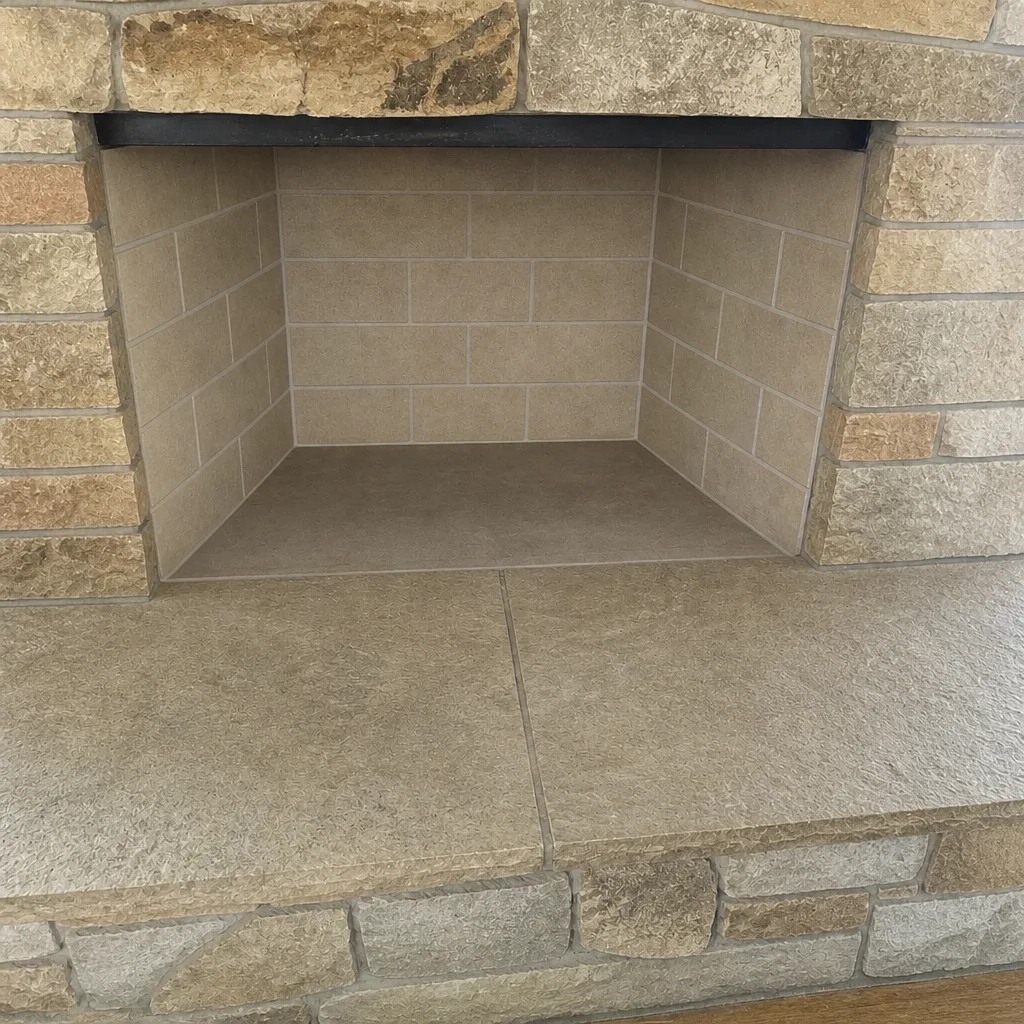 After
Frequently Asked Questions
Ask whether chimney work is essentially all of their business, whether their technicians hold professional chimney certification, and whether they install name-brand components such as DuraFlex, HeatShield, or Copperfield. A specialist answers all three clearly. A generalist who added sweeping to a service list will be vague on at least one. The certification question is the fastest filter, because it’s specific to chimney and venting systems rather than general construction.
An annual inspection is the sensible baseline for a home with a wood-burning fireplace, and cleaning is done as the inspection shows it’s needed. Saddle Rock’s dry, windy conditions push debris into caps and crowns, and the freeze-thaw cycles work on exterior masonry, so the yearly look catches problems while they’re small. If the fireplace sees heavy use, more frequent sweeping is worth considering. Call (833) 513-8273 for an estimate.
Because the price depends on what the camera sees, and no one can see your liner without inspecting it. A repair quote given over the phone, sight unseen, is a guess or an upsell. The right sequence is sweep, camera inspection, written report, then a written estimate for any repair. That order lets you review the evidence before you commit. We won’t recommend liner or crown work without documentation you can see for yourself.
It should be written, include photos or video of the flue interior, and document the condition of the liner, cap, crown, firebox, and smoke chamber. Each finding should come with a recommendation and, where work can safely wait, an honest note that it can. Verbal-only findings leave you without a record for a home sale or an insurance claim. Ask any company what report you’ll receive before you book. Call (833) 513-8273 for an estimate.
Request a current certificate of insurance, confirm the effective dates, and ask whether the coverage extends to chimney-specific work at the roofline. A legitimate company provides this without friction. General liability matters here because chimney repair involves roof access and the potential for interior damage. If a company can’t produce a current certificate, that’s a clear reason to look elsewhere. A specialist carries the right coverage for the work.
Yes, and that’s the setup to prefer. A company that sweeps, inspects, and repairs has the parts and training to act on what the inspection finds, rather than handing the problem to a second contractor. Our full chimney lifecycle includes chimney cap & crown work, liner repair, and fireplace repair, so inspection and repair exist in one place. If you’re in Saddle Rock, one call covers the sweep and anything it turns up.
The Bottom Line
Hiring a chimney cleaner in Saddle Rock comes down to four checks: is chimney work the company’s full-time business, are the technicians professionally certified, does the company carry current liability insurance, and do they inspect before they quote. The rest follows. A specialist documents findings in writing with photos, quotes repairs only after the camera inspection, and can fix what they find rather than referring it out. Push back on anyone who quotes a repair before looking up the flue. That one habit protects you from unnecessary work and from work that isn’t safe to skip. The goal isn’t just a clean chimney. It’s knowing the whole system is sound.
Contact Chimney Sweep Saddle Rock
If you’re ready to book a sweep and inspection, or you just want a straight answer about what your flue needs, call (833) 513-8273 for a free estimate. We answer 24/7. Fast dispatch from 7am to 7pm, Sunday through Friday. Our technicians have up to 15 years of experience, and every visit includes a camera inspection and a written report you can review yourself. We’re a chimney-only specialist, so the Chimney Sweep Saddle Rock team handles the full lifecycle of your system, from the sweep to the cap, crown, liner, and structural repair. If you’re weighing a repair, we’ll show you the evidence and tell you plainly when work can safely wait.
Written by the team at Chimney Sweep Saddle Rock.