
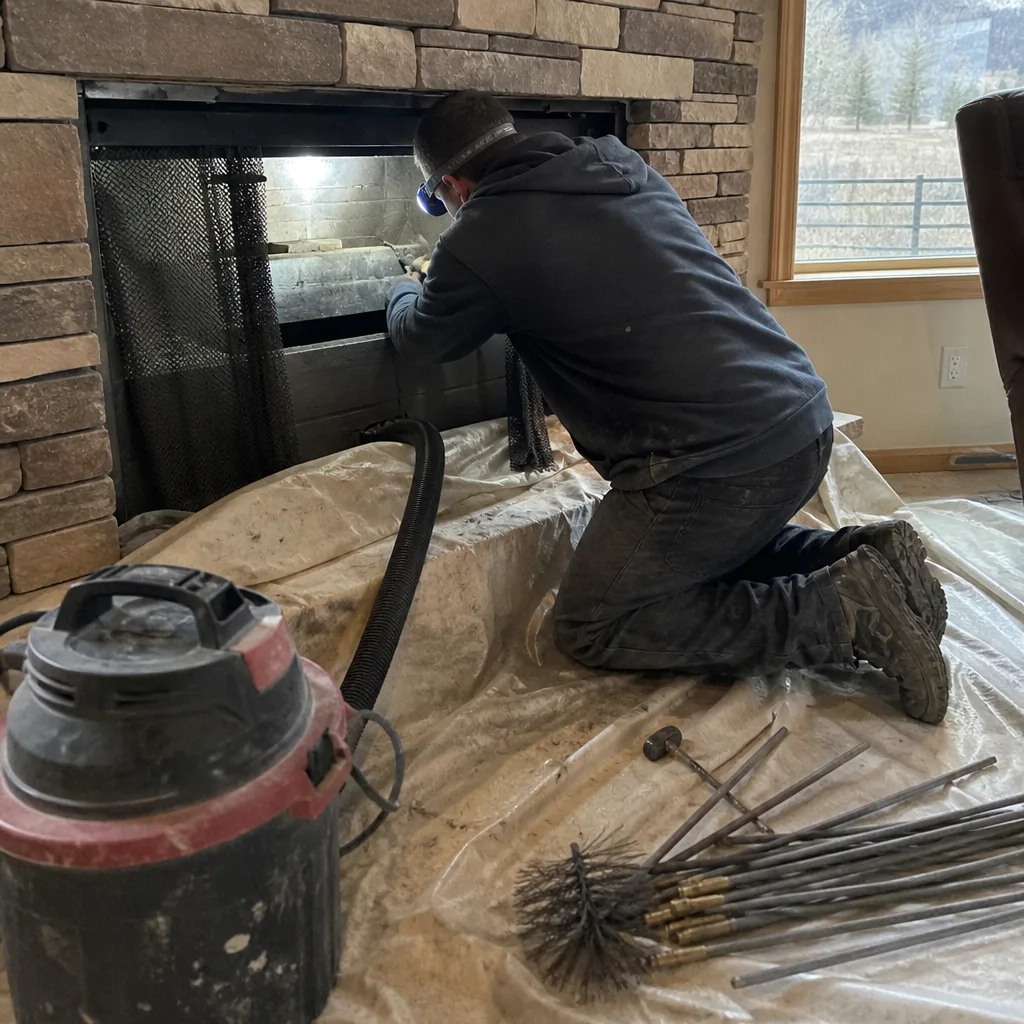
Last updated November 23, 2026
 Sweep & inspection
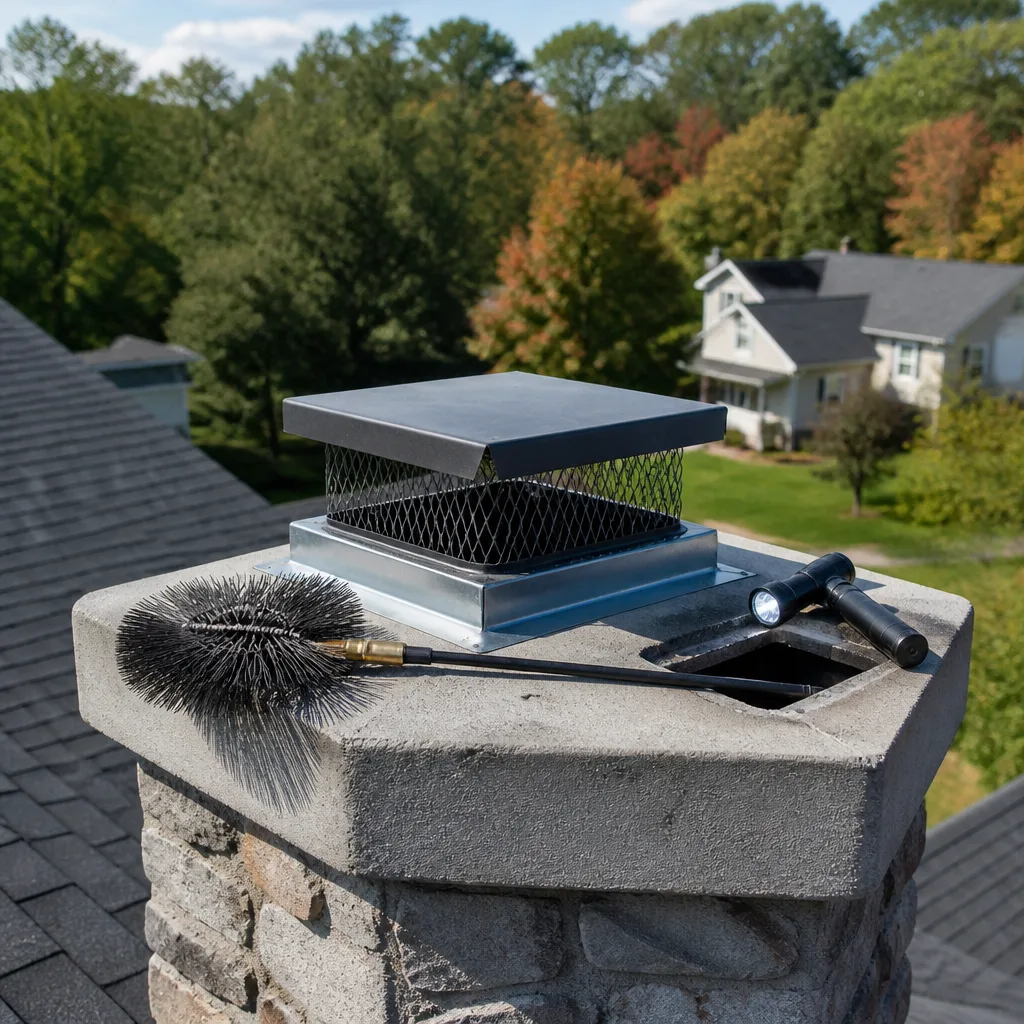
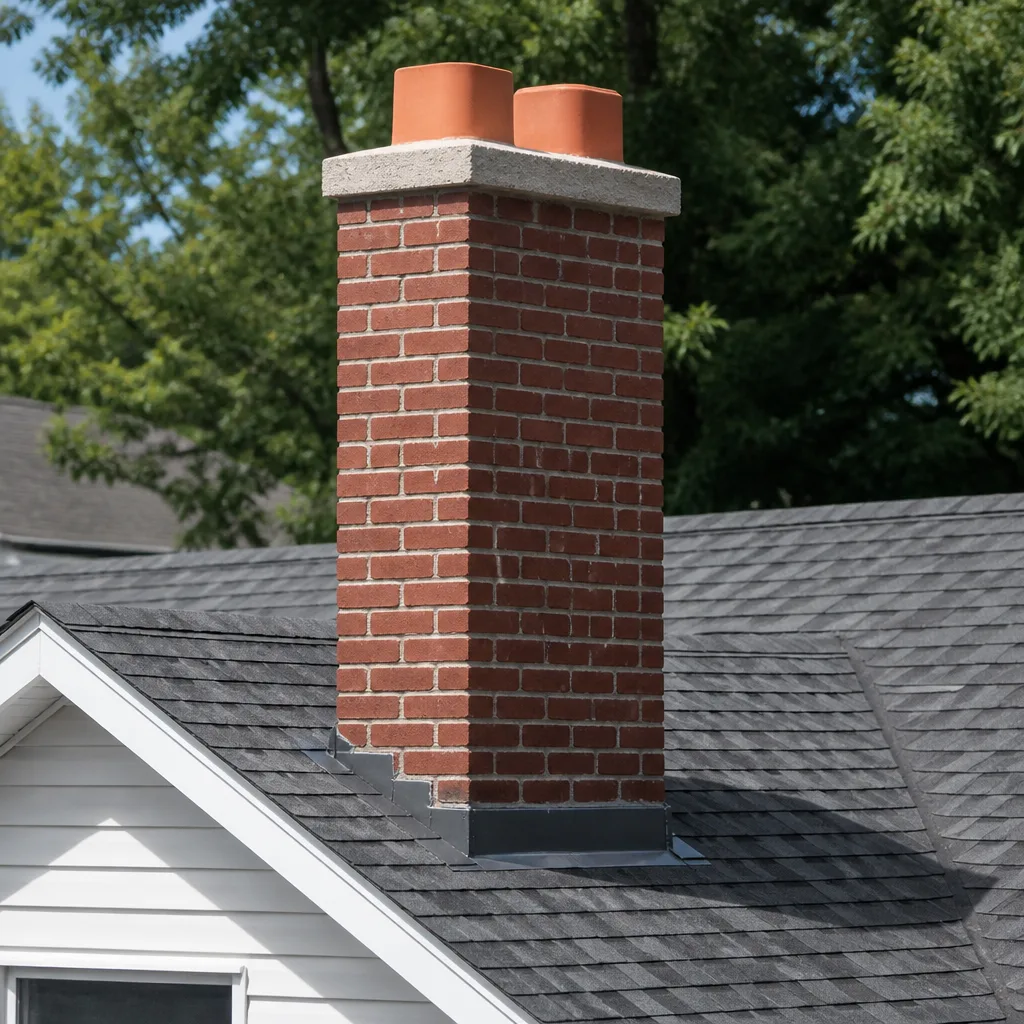
 Caps & crowns
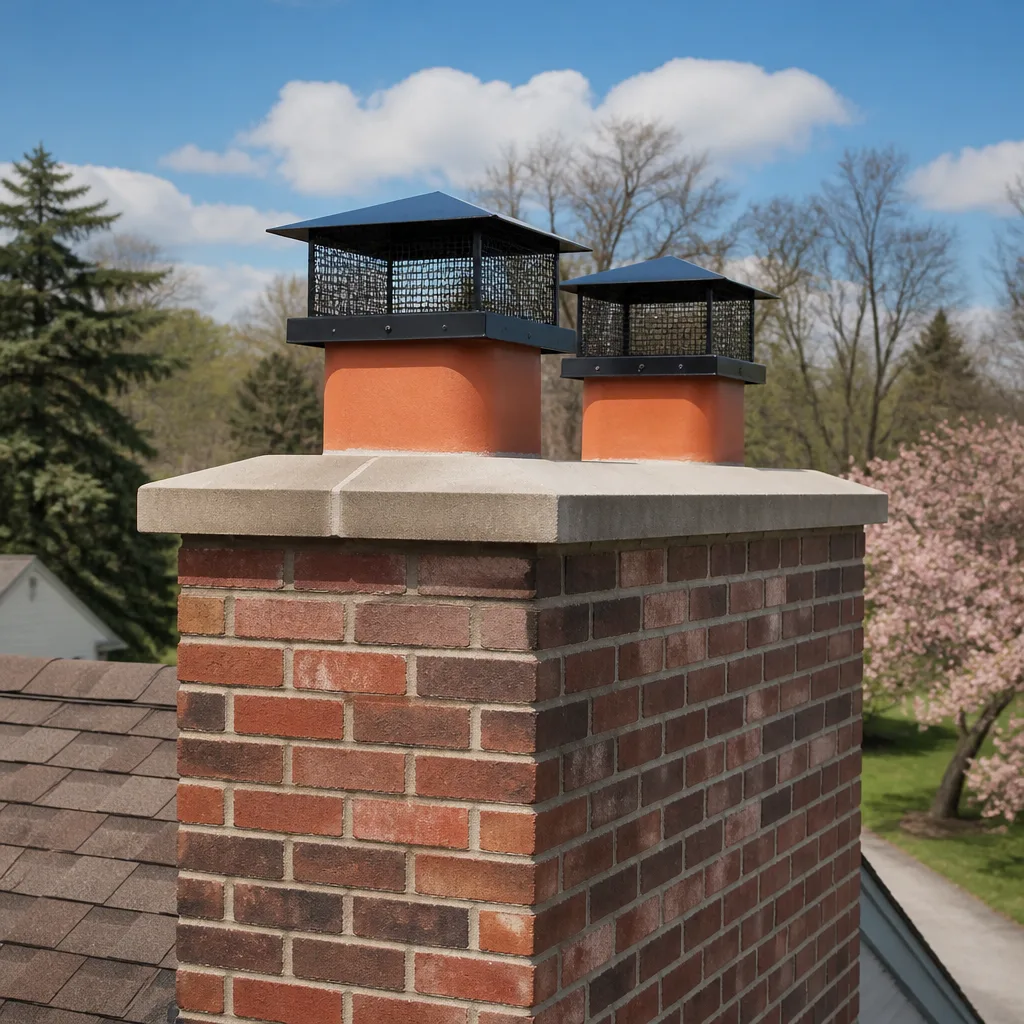
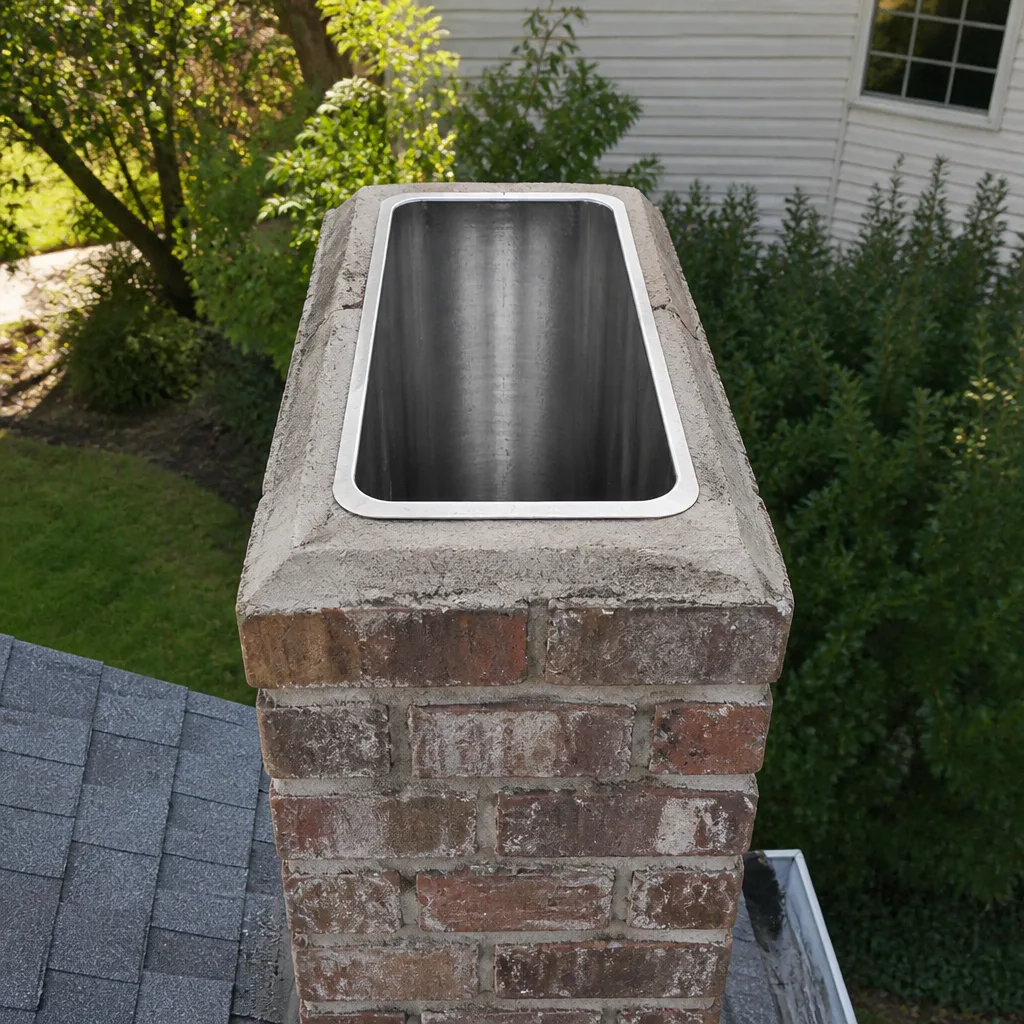 Flue relining
 Masonry repair
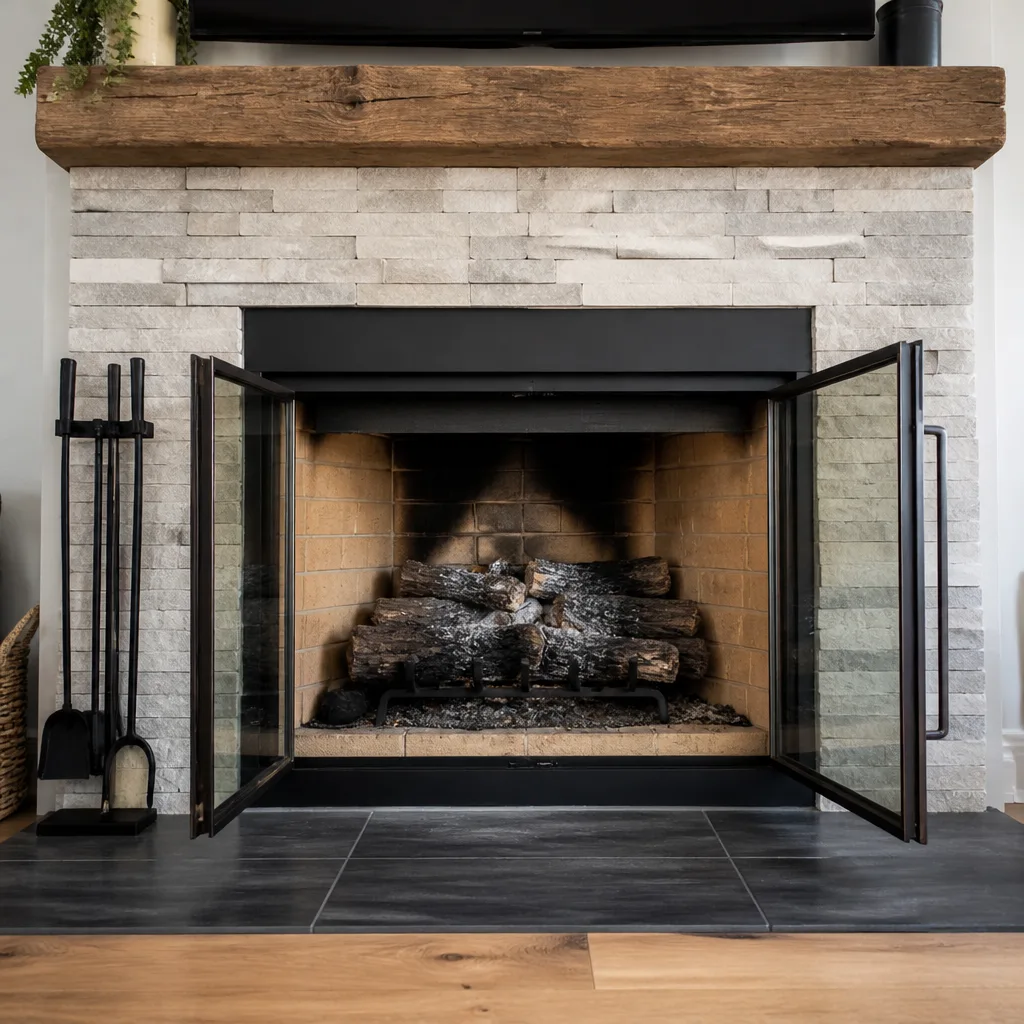 Gas fireplace service
Level 1 sweep and inspection to the NFPA 211 annual standard - flue, crown, cap, and flashing checked and photographed
Chimney sweep logs do not sweep chimneys. They loosen some creosote - which then falls where a brush and vacuum still have to collect it.
Chimney Cleaning Warning Signs: A Saddle Rock Homeowner’s Reference Guide
A chimney that smells like a campfire in July isn’t a cleaning problem. It’s almost always a draft pressure issue, and sweeping the flue a second time won’t change the smell. That’s the mistake we see most often in Saddle Rock: a homeowner notices something off, assumes the chimney needs cleaning, and ends up treating a pressure or moisture problem with a broom. The warning signs your chimney sends are rarely interchangeable. Each one points to a different underlying condition, and reading the sign correctly is what determines whether you schedule a sweep, call for an inspection, or pick up the phone today. This guide pairs every observable warning sign with the condition it actually signals and the response that fits it, so you’re not guessing at what your chimney is telling you. Saddle Rock sits in a high-plains climate with wide temperature swings, and that shapes which problems show up here and when.
Quick Answer
Chimney cleaning warning signs in Saddle Rock fall into a few reliable groups: odors (creosote, animal, mildew, smoke, or gas, each meaning something different), visual signs inside the firebox like spalling or rust staining, white efflorescence on exterior brick, and how smoke behaves during a fire. Most of these are “monitor and schedule” signs, but sustained smoke rollout, gas odors, and crumbling flue tile are call-today conditions. The right first step is an inspection that identifies the cause, not a cleaning that assumes the cause.
Styles & brands we work with
- Sweep & inspection
- Caps & crowns
- Flue relining
- Masonry repair
- Gas fireplace service
Table of Contents
- The Five Odor Types and What Each Actually Means
- Visual Signs Inside the Firebox: Spalling, Efflorescence, Rust
- Why White Staining on Exterior Brick Is a Moisture Signal
- Smoke Behavior During Fires: Rollout, Slow Draw, Backdraft
- Creosote Warning Signs and the Degree System
- Monitor-and-Schedule vs. Call-Today
- Why Saddle Rock’s Climate Makes Timing Matter
- Common Mistakes to Avoid
The Five Odor Types and What Each Actually Means
Odor is the warning sign homeowners notice first and read correctly least often. A smoky smell and a mildew smell can come from the same chimney and mean completely different things. When we arrive for a chimney sweep in Saddle Rock, the first question we ask is what the house smells like and when. The answer narrows the cause before we put a brush in the flue.
- Creosote odor (acrid, tarry, campfire-like): Buildup of creosote on the flue walls. Normal in a working chimney, but a strong smell when the fireplace is cold points to a glaze stage that a standard sweep may not fully remove.
- Animal odor (musky, ammonia, nesting material): Birds, squirrels, or raccoons living in or above the flue. An uncapped chimney is an open door. A chimney cap & crown installation closes it.
- Mildew or musty odor: Moisture inside the flue or behind the firebox. This often pairs with the white staining discussed below and signals a water problem, not a soot problem.
- Smoke odor that lingers after a fire: Poor draft pulling combustion gases back into the room. Cleaning won’t fix a pressure issue. The flue may be clean and still smoke.
- Gas odor near a gas fireplace: A safety concern. Stop using the fireplace and arrange an inspection before lighting it again.
Each of these points to a different system. Sweeping addresses only the first. The other four need inspection to identify the cause, and in our experience in Saddle Rock, homeowners often buy two or three unnecessary cleanings before someone diagnoses the real issue.
Visual Signs Inside the Firebox: Spalling, Efflorescence, Rust
The inside of the firebox and the visible throat are where you can read structural condition without tools. Look before your next fire, with the fireplace cold and the damper open. Three visual signs matter most:
- Spalling: Flaking, pitting, or crumbling brick and mortar inside the firebox. Each piece that flakes away thins the firebox wall. Spalling usually means moisture or heat exposure has compromised the masonry.
- Efflorescence: A chalky white or gray powder on the interior brick or mortar joints. It’s mineral salt left behind when moisture moves through masonry and evaporates. Efflorescence inside the firebox means water is getting in somewhere.
- Rust staining: Orange-brown streaks on the damper, the firebox, or the flue liner. Rust means metal components have been wet, which can point to a failed crown, a missing cap, or condensation from a flue that’s undersized for its use.
Spalling and heavy rust are structural warnings. A crumbling firebox wall or a corroded damper isn’t a cosmetic issue, and patching it with refractory cement from a home store usually fails within a season. Efflorescence alone is milder but rarely meaningless. It’s often the earliest visible sign of a moisture path that hasn’t reached the interior yet. This is where fireplace repair belongs: the fix is restoring the firebox and its moisture barrier, not sweeping the flue.
Why White Staining on Exterior Brick Is a Moisture Signal
White staining on the outside of a Saddle Rock chimney is not cosmetic aging, and it’s not something to paint over. That chalky bloom is efflorescence, and on exterior brick it’s a moisture intrusion indicator. Water is entering the masonry, dissolving mineral salts, and evaporating at the surface. Where it appears tells you something about the source.
- Near the crown: The crown, the sloped concrete cap at the top, has cracked or pulled away from the flue. Water runs down into the brick instead of shedding off.
- Around the flashing line where the chimney meets the roof: Failed flashing lets roof water into the masonry. This is the most commonly missed moisture path in Saddle Rock.
- Scattered across the field of the brick: The brick or mortar is absorbing and holding water, often from hairline cracks or a missing cap that lets rain straight down the flue.
Left alone, moisture intrusion leads to spalling, cracked mortar, and eventually a failed flue liner. That escalates from a modest repair to a full liner project. Our climate’s freeze-thaw swings make it worse: water that soaks in during a warm day freezes overnight and pries the masonry apart. A cracked crown is repairable with the right materials. A crown that’s disintegrated into the flue is a different conversation. When we address the exterior, we use components like Gelco and Famco for caps and covers because they’re built for precise fit on the flue, not generic hardware that lets water in around the edges.
Smoke Behavior During Fires: Rollout, Slow Draw, Backdraft
How a fire behaves is a structural readout. Smoke should draft up and out. When it doesn’t, something in the system is off, and each smoke behavior points to its own likely cause.
- Smoke rollback (spilling into the room while the fire catches): Often a flue that’s too short, too small, or partly blocked, or a house that’s depressurized by exhaust fans, dryers, or a tightly sealed envelope. The chimney may be clean and still roll.
- Slow draw (the fire smolders and struggles): A cold flue, excessive creosote, or a damper that isn’t opening fully. Saddle Rock’s elevation doesn’t cause it, but a flue that hasn’t been warmed before lighting will drag until it does.
- Backdraft (smoke from a cold chimney into the room): Air moving down the flue instead of up. Usually caused by negative pressure in the house, not by soot. Sealing a flue for a gas appliance can change pressure in the whole chimney and push smoke from one flue into another.
The key insight: smoke behavior is evidence of draft and pressure problems, and these are structural. Cleaning the flue won’t change how a chimney drafts if the cause is height, an obstruction, or a pressure imbalance. Diagnosing it requires a proper inspection with the right tools. Most of the tools a good chimney specialist carries are name-brand for a reason: durability matters when you’re working with heat and moisture. We stock DuraFlex and Olympia Chimney for relining, and we know what those parts can and cannot do.
Creosote Warning Signs and the Degree System
Creosote is the reason chimney cleaning exists, and its buildup is measured in recognized stages. A sweep looks down the flue and classifies what’s there. Homeowners can watch for the signs it produces.
- Stage 1 (flaky, soot-like): Fine flake. A standard sweep removes it. If your fireplace is used through a full season, this is the normal and expected level by spring.
- Stage 2 (crumbly, hardened): Brittle, hard deposits. Removable but takes more work. This stage is why regular sweeping matters, because it leads directly to stage 3.
- Stage 3 (glazed, tarry, shiny): The dangerous stage. Glazed creosote is often oily and flammable, and it’s stubborn. It burns hot and can ignite flue deposits. A standard brush doesn’t fully remove it. Cleaning it calls for a chemical or mechanical removal method, and this is where the right liner materials matter. We use DuraFlex and Olympia Chimney because glazed damage to the flue often means relining is the next step.
Signs that creosote has reached stage 3 include a strong tarry smell even when the fireplace is cold, visible shiny deposits around the damper or throat, and heavy soot at the top of the firebox after only light use. Stage 3 buildup is a reason to call for a professional sweep promptly rather than early next season.
Monitor-and-Schedule vs. Call-Today
The most useful thing this guide can give you is a triage list. Not every warning sign is urgent, and calling out a technician for something that can wait a week doesn’t help you. Here’s how we sort warning signs in our own work.
- Monitor and schedule within the next few weeks: Light creosote smell after a season of use; a small patch of efflorescence on exterior brick; mild spalling confined to one firebox brick; a smoky smell that appears only on cold mornings; a slightly slow draw on cold starts.
- Call to book an inspection this week: Stage 2 creosote visible at the damper; rust staining on the damper or firebox; scattered efflorescence across exterior brick; repeated smoke rollback; a musty odor with no other explanation; a chimney more than a year since its last professional inspection.
- Call today and stop using the fireplace: Any gas smell near a gas fireplace; widespread spalling with loose masonry; visible cracked or crumbling flue tile; smoke that pours into the room and won’t stop; an animal nest or blockage confirmed in the flue; creosote that’s clearly glazed and heavy at the top of the firebox.
One general note on code: most jurisdictions require that a solid-fuel appliance vents through a properly lined flue that’s sized and intact. If a liner is cracked, the flue should be relined before use. That’s a common point of confusion for Saddle Rock homeowners whose chimney shows multiple warning signs at once.
Why Saddle Rock’s Climate Makes Timing Matter
Saddle Rock sits on the high plains with a wide swing between summer heat and winter cold, and that swing is the reason so many chimney problems here show up as moisture issues first. Warm days draw water into porous brick and mortar. Cold nights freeze it. That freeze-thaw cycle repeats through the shoulder seasons, and each cycle widens hairline cracks. A crown that would last decades in a stable climate takes more wear here.
Timing your sweep matters more here than in a mild climate, too. The practical window is before the cold weather settles in and your fireplace becomes the main heat source. Booking a sweep and inspection before the first freeze lets any needed repair get done before the stove is in daily use, and it catches a cracked crown before a full winter of freeze-thaw turns a repair into a rebuild. If your only sign so far is a smell or a small white patch on the brick, that’s the moment to schedule an inspection, not the moment to shrug it off until spring.
A clean flue, intact liner, and sealed crown form a system. Let one slip and the others wear faster. This is exactly why we work with a single chimney specialty, and why a single call covers inspection, cleaning, cap and crown work, and repair rather than sending you to a second contractor partway through the job.
Common Mistakes to Avoid
- Assuming every smell means “clean the chimney.” A mildew smell or a persistent smoke smell won’t improve with a brush. Cleaning a flue that doesn’t need it wastes your money and leaves the real issue untouched.
- Painting over white staining on exterior brick. That seals moisture inside and accelerates spalling. Efflorescence is a symptom of a moisture source, and the source has to be fixed first.
- Convincing yourself that a little spalling is normal. Firebox brick doesn’t crumble from normal use. Each flake thins the wall, and Saddle Rock’s freeze-thaw cycle makes it worse season over season.
- Waiting until you smell smoke in the room to call. Backdraft and smoke rollout are a sign that combustion gases are coming back into the living space. That’s a safety issue, not only a comfort issue.
- Buying a generic cap off the shelf. A poor fit at the flue opening leaves a gap for water and animals. That’s why we standardize on brands like Gelco and Famco, which are made for precise fit rather than whatever is on the shelf at the hardware store.
- Treating a glazed flue to a standard brush sweep. Stage 3 creosote isn’t fully removable with a standard brush, and partial removal that leaves a layer behind can hide a real fire risk. That calls for a specialist instead.
- Putting off the inspection because the chimney is “newer.” Age doesn’t rule out a cracked crown, a dislodged cap, or an animal nest. In this climate, a newer Saddle Rock chimney still sees the same freeze-thaw pressure.
See the difference
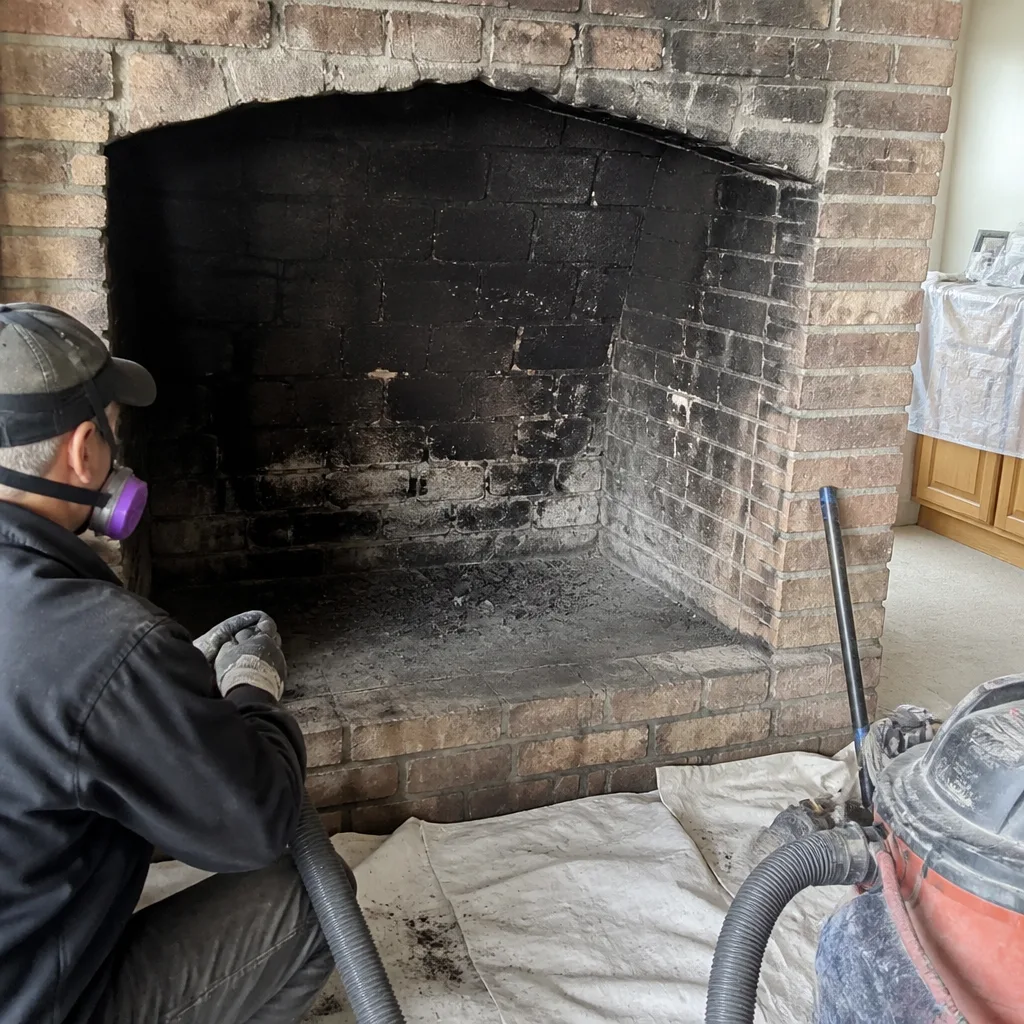 Before
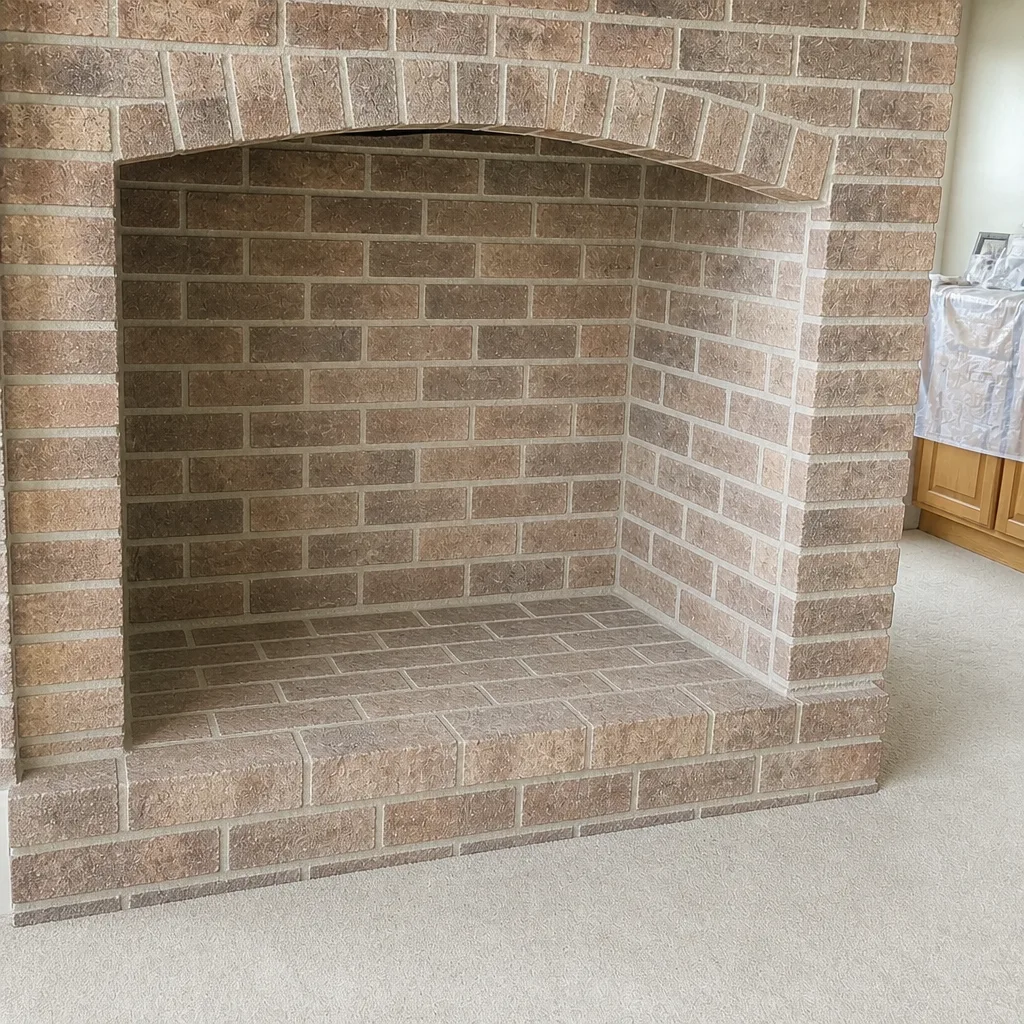 After
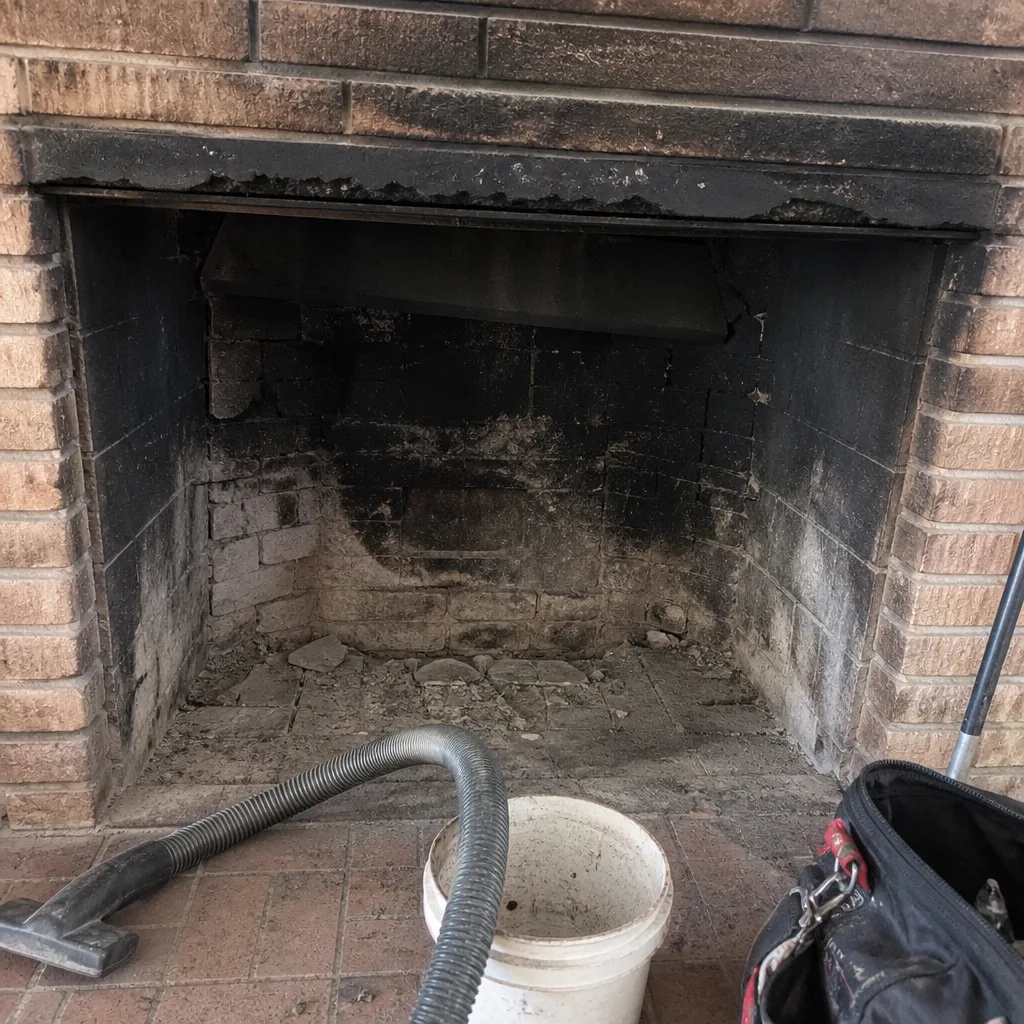 Before
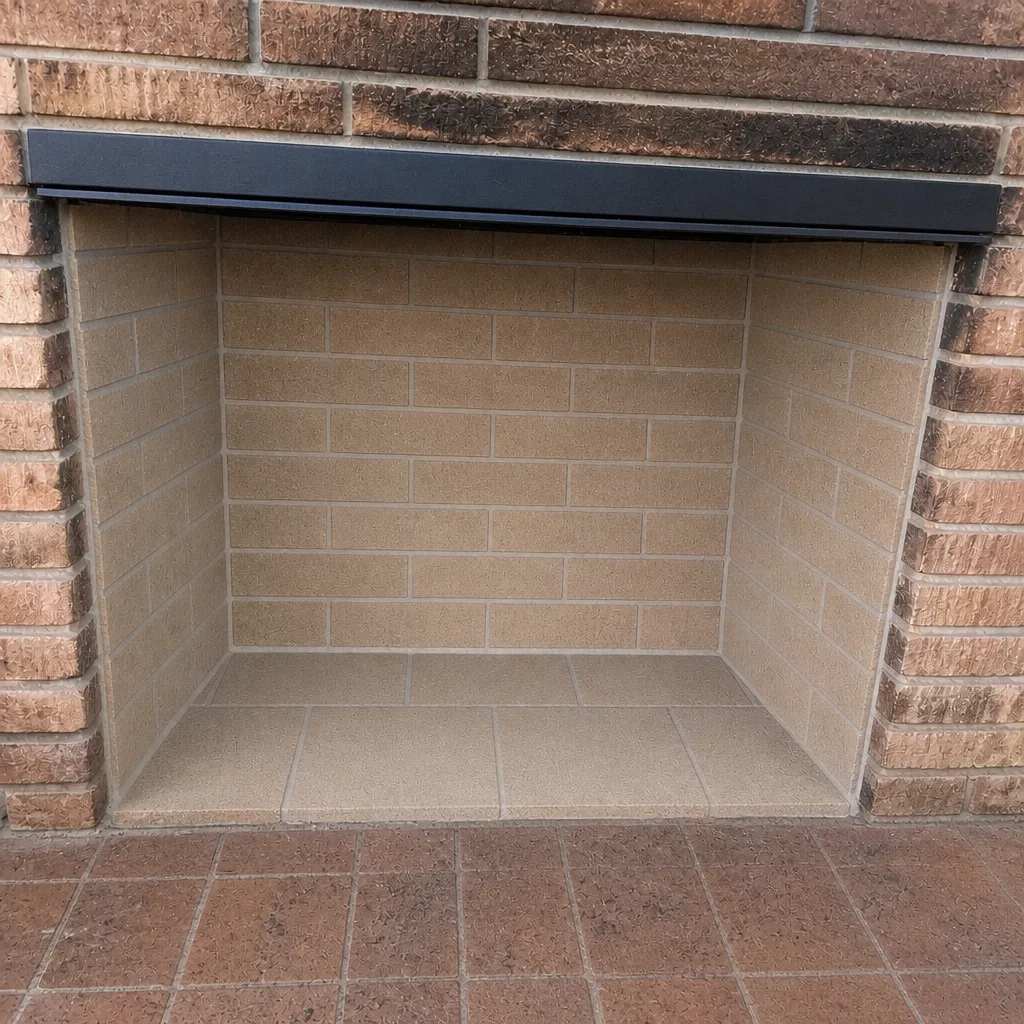 After
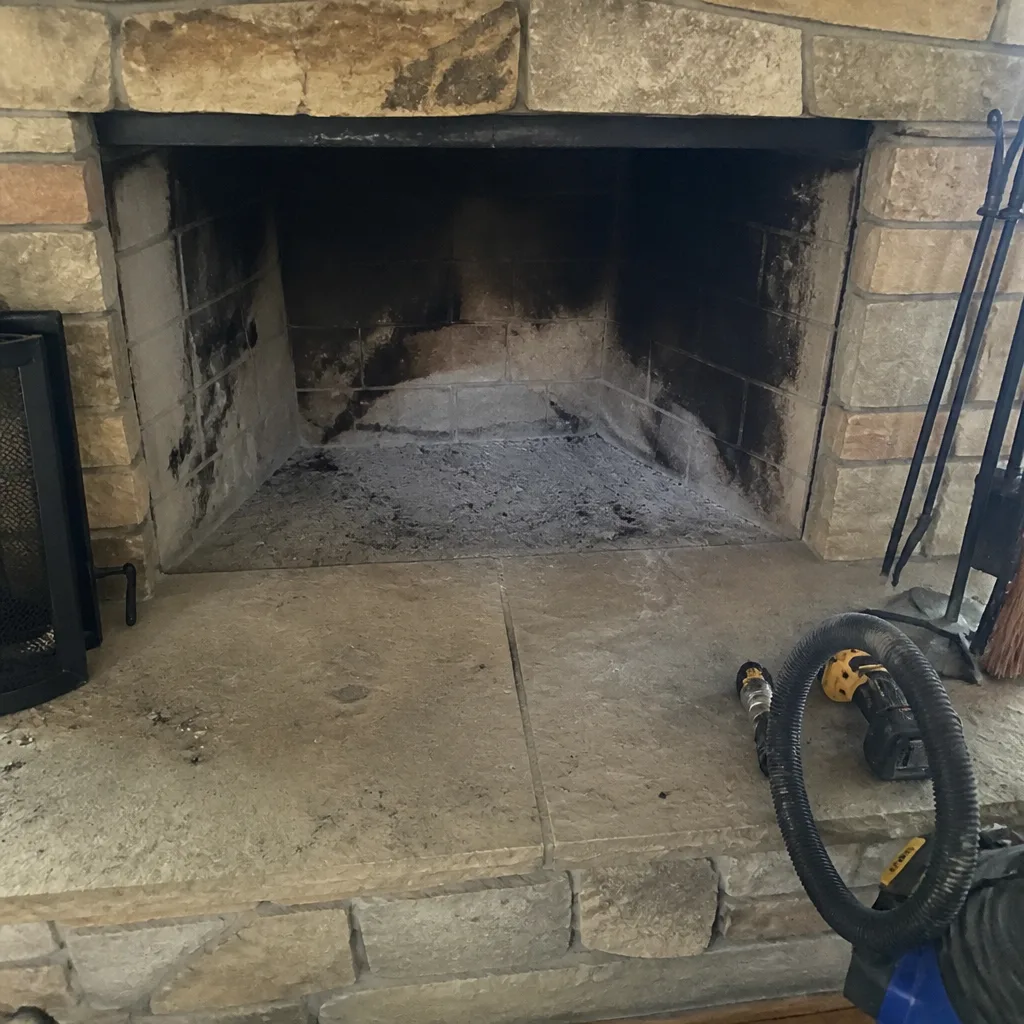 Before
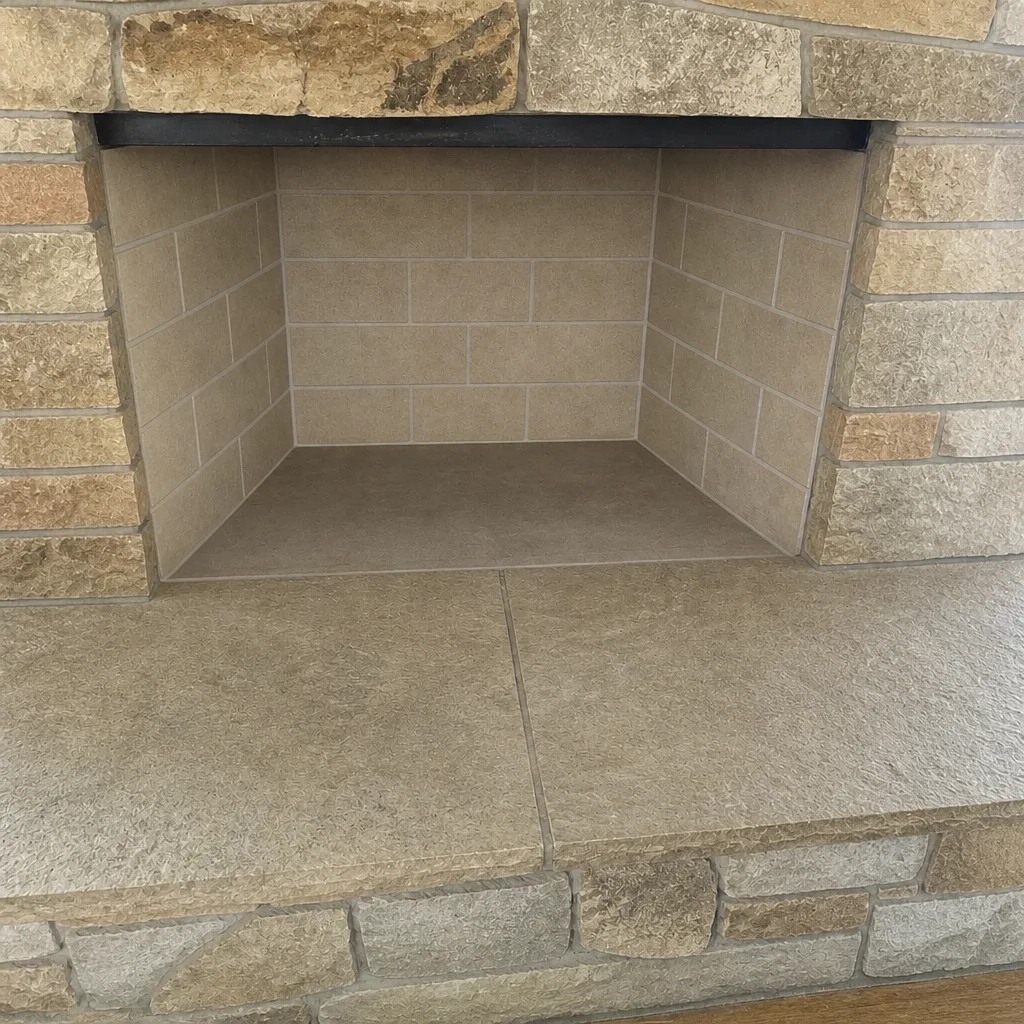 After
When to Call a Professional
Call for a professional inspection when you can no longer match a warning sign to one clear cause. That means any smoke behavior you can’t explain, any gas smell near a gas fireplace, any sign of moisture inside the firebox, and any chimney you’ve owned for years without an inspection. Saddle Rock homeowners should also call before a real estate transaction: an inspection gives the buyer evidence, not vague assurances, and our reports include photos you can see for yourself. A sweep that opened the flue and found a problem is the right time to have the fix done, not to make a second appointment. Chimney Sweep Saddle Rock offers free estimates in Saddle Rock, so call (833) 513-8273. We answer 24/7. Fast dispatch from 7am to 7pm, Sunday through Friday.
Frequently Asked Questions
Odor is almost always the first warning sign, and it’s the one most often misread. A persistent smoky or tarry smell when the fireplace is cold usually means creosote buildup, but a musty smell means moisture and an animal smell means a live or nesting animal in the flue. The first response should be an inspection, not an automatic cleaning.
Yes, it’s a moisture intrusion indicator, and it rarely solves itself. White staining means water is moving through the masonry and evaporating at the surface, which usually points to a cracked crown, failed flashing, or a porous brick face. It’s cheaper to fix the source now than to repair a spalled chimney later, so book an inspection with Chimney Sweep Saddle Rock.
Not necessarily. Smoke rollout can point to a blocked flue, but it can also come from a flue that’s undersized, too short, or working against a depressurized house. Cleaning a flue that’s already clean won’t fix a pressure problem. It needs an inspection that looks at flue height and airflow, not just soot.
A chimney should be inspected at least once a year, and cleaned whenever buildup reaches a level that warrants it. Saddle Rock’s freeze-thaw cycle also means the exterior crown and flashing should be checked more often than in mild climates, since a small crack can open up over one winter. Call (833) 513-8273 to schedule an inspection before the next heating season.
Glazed creosote typically looks shiny, tarry, and crisp like glass or black paint rather than flaky or powdery. If you shine a light up the flue and see a glossy dark surface near the damper or throat, that’s a call-today sign, because a standard brush sweep won’t fully remove it. We bring DuraFlex and Olympia Chimney materials to handle the liner damage that glazed creosote tends to leave behind.
Stop using the fireplace and arrange an inspection before lighting it again. A gas odor is a safety concern, not a cleaning concern, and it can point to a connection or venting issue that needs a trained technician. Call (833) 513-8273 and we’ll book an inspection.
The Bottom Line
Chimney warning signs are a diagnostic system, not a checklist that all points to a sweep. An odor, a white patch on exterior brick, a crumbling firebox, or smoke that rolls into the room each points to a specific condition, and treating the wrong one wastes money and can leave a real hazard in place. The reliable first step is an inspection that tells you the cause with evidence you can see. A sweep follows only when soot and creosote are actually the issue, and any repair the inspection turns up can be handled by the same chimney specialist you called. That’s the model we work to, and it’s why we keep a full lifecycle of chimney materials on hand.
If something on this list rings true for your chimney in Saddle Rock, don’t wait for the next sign. Call (833) 513-8273 for a free estimate. We answer 24/7. Fast dispatch from 7am to 7pm, Sunday through Friday.
Written by the team at Chimney Sweep Saddle Rock.