
Last updated November 23, 2026
 Sweep & inspection
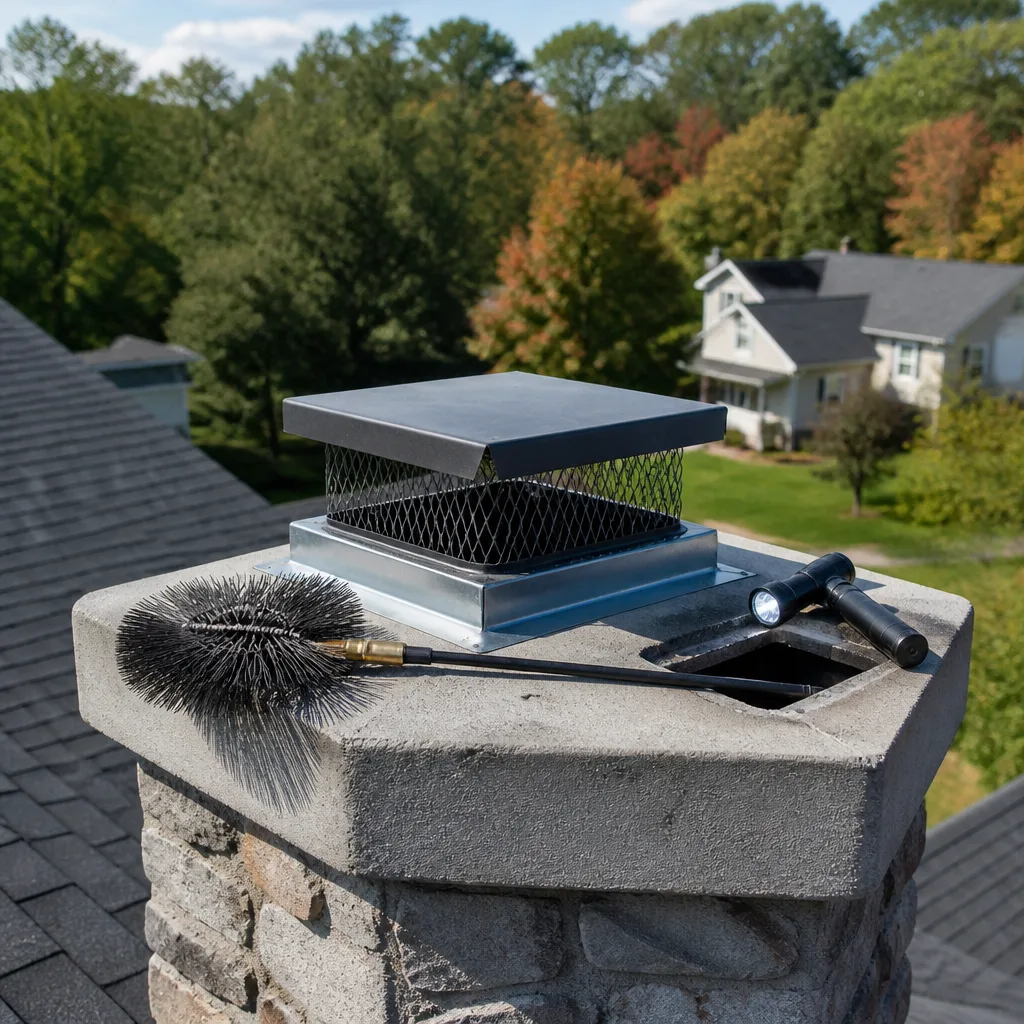
 Caps & crowns
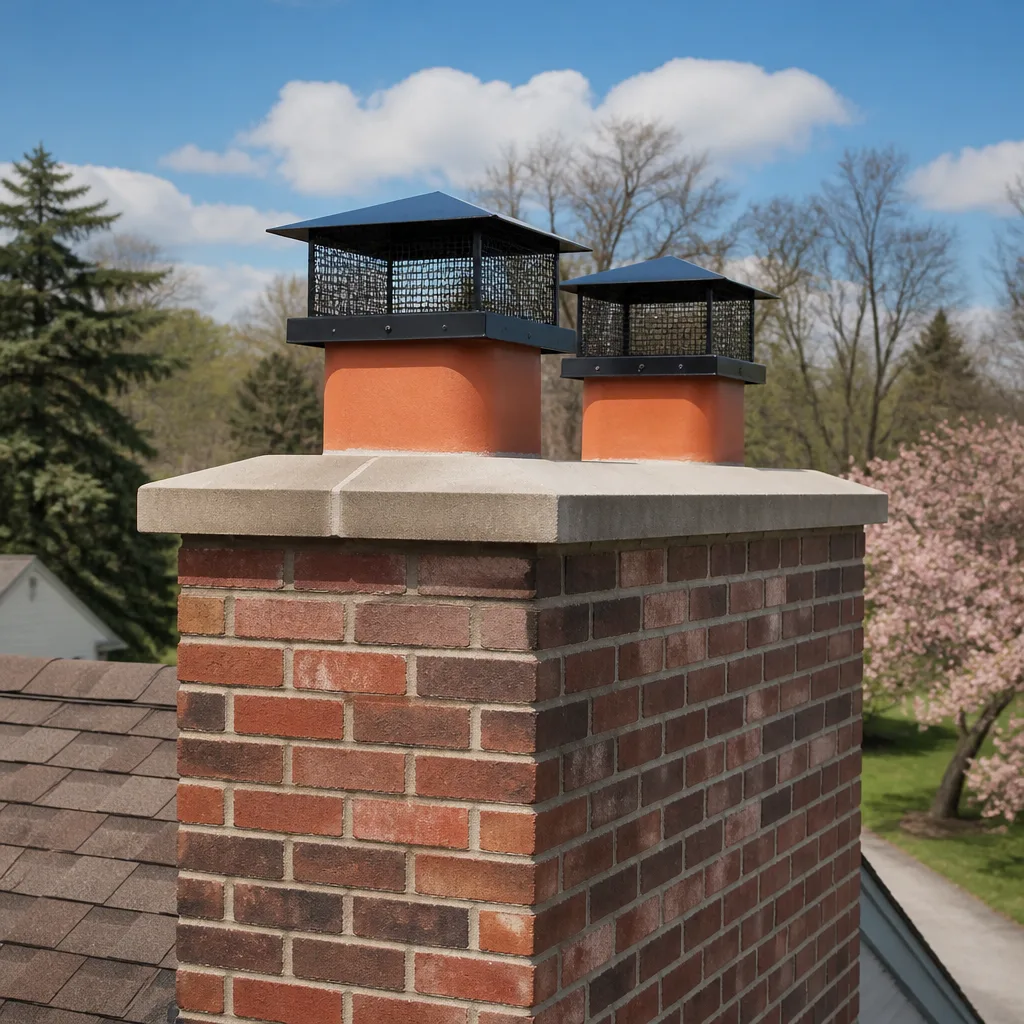
 Flue relining
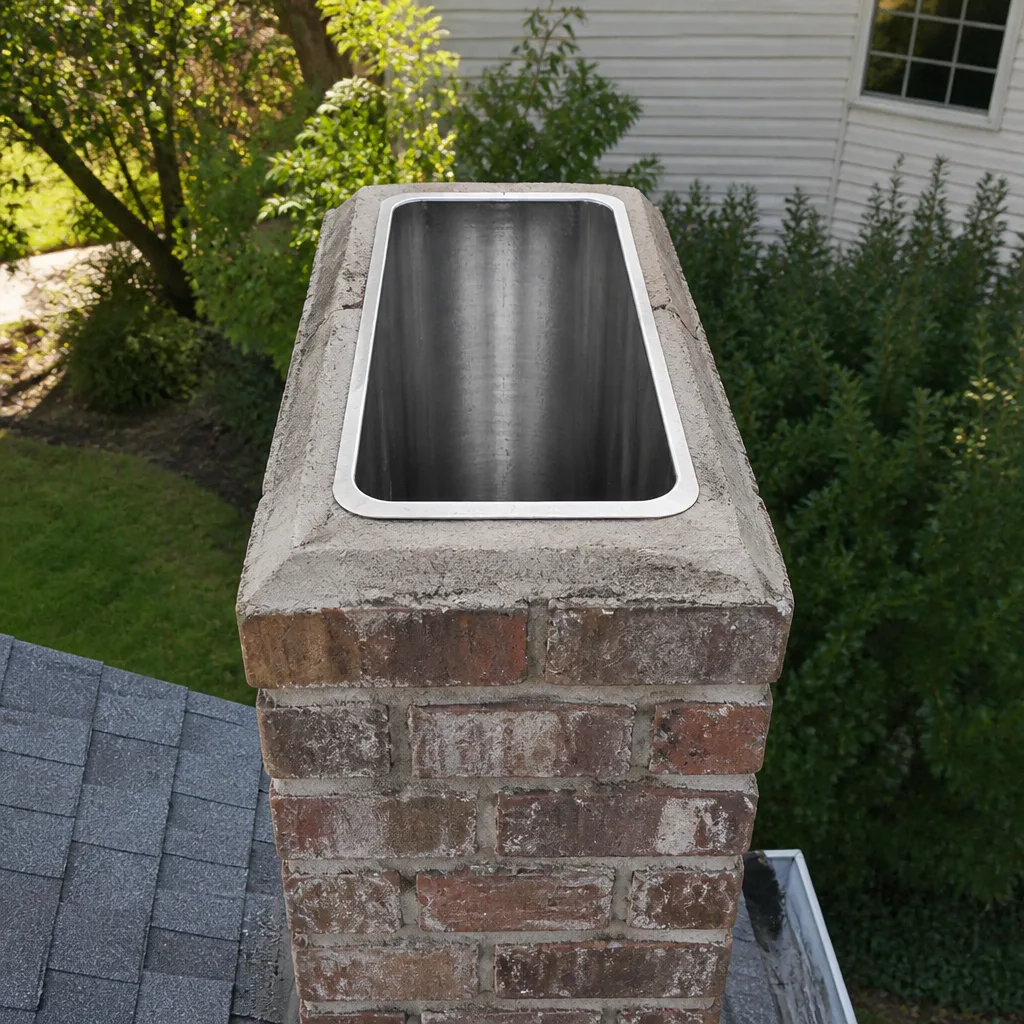
 Masonry repair
 Gas fireplace service
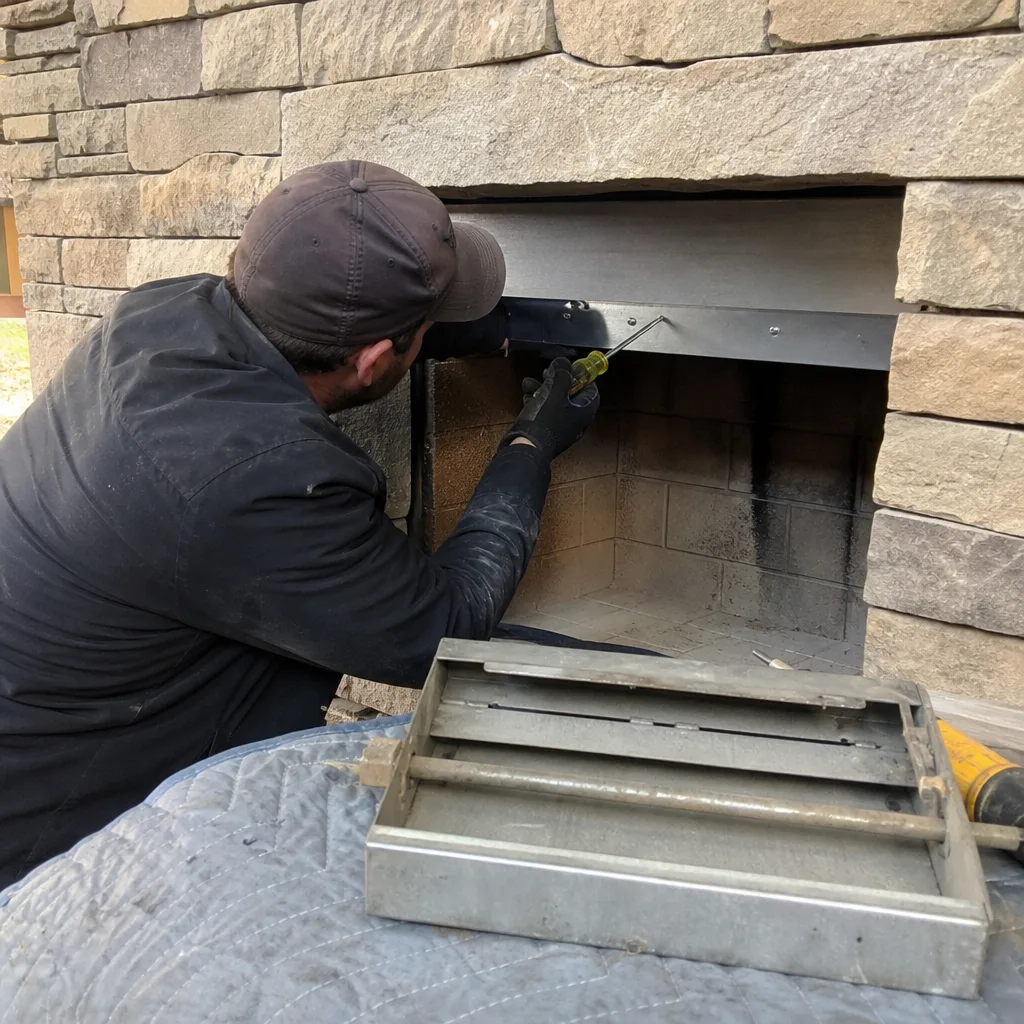
Level 1 sweep and inspection to the NFPA 211 annual standard - flue, crown, cap, and flashing checked and photographed
Chimney sweep logs do not sweep chimneys. They loosen some creosote - which then falls where a brush and vacuum still have to collect it.
Chimney Cleaning Permits, Codes & Inspections in Saddle Rock, CO: What You Need to Know
No permit is required to clean a chimney. But the liner replacement your sweep recommends afterward may absolutely require one, and most homeowners never think to ask. That gap between cleaning and construction is where trouble starts: unpermitted liner and crown work that surfaces as a problem during a home sale, or after an insurance claim adjuster asks for documentation nobody kept. In Saddle Rock, CO, where wood-burning fireplaces get real use through cold Front Range winters, knowing which chimney tasks are simple maintenance and which cross into regulated repair work matters. This guide draws that line for you.
Quick Answer
Chimney cleaning and routine inspection in Saddle Rock, CO do not require a building permit. Chimney repairs that change the structure or components of the chimney system, including flue liner replacement, crown reconstruction, and chimney cap installation that involves structural fastening or masonry, may require a permit under the building codes adopted by the local jurisdiction. Whether a permit applies depends on the jurisdiction with authority over your property and the scope of the work. A licensed chimney professional can help you determine which category your job falls into before any work begins.
Styles & brands we work with
- Sweep & inspection
- Caps & crowns
- Flue relining
- Masonry repair
- Gas fireplace service
Table of Contents
- Cleaning and Maintenance vs. Construction: Where the Permit Line Falls
- How Douglas County and Aurora Building Codes Apply to Saddle Rock Chimneys
- What NFPA 211 Is and Why It Governs Your Chimney
- How a Failed Inspection Creates a Documentation Trail
- Why Insurance and Home Sales Care About Chimney Permits
- Why a Chimney Specialist Protects You From Under- and Over-Scoped Work
- What to Expect From a Permitted vs. Unpermitted Chimney Repair
Cleaning and Maintenance vs. Construction: Where the Permit Line Falls
The simplest way to think about chimney permits in Colorado: sweeping is maintenance, and maintenance rarely needs a permit. The moment the work replaces a component of the chimney system or changes how the system performs, you may have crossed into construction territory. That distinction is what trips up homeowners most often, because the sweep and the repair often get quoted together.
Here’s how the split generally works in Saddle Rock and throughout the Front Range:
Work that typically does not require a permit
- Routine chimney sweeping to remove soot, creosote, and blockages
- Annual visual and camera-assisted inspection
- Cleaning of the firebox, damper area, and smoke chamber surface
- Removal of bird nests, debris, or animal blockage
- Minor cap and screen repairs or replacement where no structural change occurs
Work that may require a permit
- Flue liner replacement or relining
- Chimney crown reconstruction or significant crown repair
- Chimney cap installation where the cap is fastened into masonry or changes the structure
- Firebox or smoke chamber rebuild
- Chimney removal or reduction in height
- Any masonry rebuilding of compromised chimney structure
This is a general framework, not a rulebook for every property in Saddle Rock. The specifics depend on the jurisdiction that has authority over your property and how the code official interprets the scope. When the boundary is unclear, the answer comes down to the local building department, and a chimney specialist who does this work regularly should be able to tell you which side of the line your job sits on before you commit to anything.
How Douglas County and Aurora Building Codes Apply to Saddle Rock Chimneys
The building codes that govern chimney work in Saddle Rock come from the jurisdiction with authority over your specific property. Saddle Rock sits in a part of the Denver metro where properties can fall under different local jurisdictions, and Douglas County and the City of Aurora both adopt building codes that apply to work in their respective areas. Those adopted codes incorporate the international model codes that address chimneys, including the International Residential Code, which references NFPA 211 for chimney system standards. When you’re planning a chimney repair, the practical move is to confirm which building department has authority over your address, then ask them directly how they treat your scope of work.
What this means for Saddle Rock homeowners in practice:
- Confirm your jurisdiction first. Your property’s location determines whether Douglas County or Aurora (or another authority) reviews chimney permits. Your county assessor’s records or a call to the building department will confirm.
- Describe the work precisely. “Replace the flue liner” and “clean the chimney” land in different categories. Say exactly what’s being installed.
- Ask about permit requirements before the work is scheduled. The building department can tell you whether your specific scope needs a permit and inspection.
- Get the answer in writing. Keep the correspondence with your project records, whether you file it in a folder or just save the email.
One thing homeowners in Saddle Rock sometimes miss: the answer is not “Douglas County always” or “Aurora always.” It’s tied to your specific property. We’ve seen this trip up homeowners who assume their neighbor’s rules apply to their own lot. Confirm before you book, and the process runs cleanly.
What NFPA 211 Is and Why It Governs Your Chimney
NFPA 211 is the standard for chimneys, fireplaces, vents, and solid fuel-burning appliances, published by the National Fire Protection Association. Most Colorado jurisdictions adopt NFPA 211 through their building code, which means it sets the benchmark for what a properly cleaned and inspected chimney needs to meet. If your chimney and venting system complies with NFPA 211 and the adopted code, it is considered adequate for a continued safe use. That single phrase matters more than it sounds: a chimney that’s “cleaned” but doesn’t meet NFPA 211 standards is not a chimney that’s safe to burn in.
What NFPA 211 covers when it governs your inspection:
- Clearances to combustibles: required distances between the chimney and combustible materials in your home’s structure
- Liner integrity: whether the flue liner has cracking, gaps, or deterioration that allows combustion gases to escape
- Cap and crown condition: whether the top of the chimney sheds water and stays intact
- Flue sizing: whether the flue is appropriately sized for the appliance connected to it
- Smoke chamber and damper condition: whether these components function as designed
Understand what NFPA 211 is not. It is not a permit. It is not a checklist a homeowner can run themselves. It’s the framework that a qualified chimney professional uses during an inspection, and it’s the standard a code official will reference when they review a permit for a chimney repair. In Saddle Rock, every permitted chimney repair is functionally a check against NFPA 211 criteria as adopted by the local building code. This is why the documentation produced by a proper inspection carries weight downstream – it’s the record that the system was evaluated against a recognized national standard.
We’ve walked homeowners through countless inspections, and the pattern is clear: the chimneys that pass without drama are the ones that were inspected and serviced regularly against NFPA 211 criteria. The ones that cause problems are the ones where nobody ever checked.
How a Failed Inspection Creates a Documentation Trail
A chimney inspection that flags required repairs starts a paper trail, and that trail follows the property. In Saddle Rock, where homes are bought and sold routinely and wood-burning fireplaces are common, that paperwork is more consequential than many homeowners realize. When a certified inspector identifies a failed flue liner, a compromised crown, or masonry deterioration, the resulting report goes into the property’s service history. If a permit is required for the repair, the permit and inspection records are also retained by the local jurisdiction.
Here’s how the documentation trail typically builds:
- Inspection performed. A qualified chimney professional evaluates the system against NFPA 211 criteria and documents findings, ideally with photo evidence.
- Repairs identified in writing. The report names the specific deficiencies and recommends repair scopes.
- Permit pulled (if required). For scopes that require one, the local building department issues the permit.
- Work completed. The repairs are performed, and materials such as DuraFlex or HeatShield liner systems used on the job are traceable through manufacturer documentation.
- Permit inspection passed. A code official inspects the completed work and closes the permit. This creates an official record of the repair.
When homeowners skip the permit step on a job that required one, they end up with repairs that exist physically but not in any official record. That gap becomes a problem two to five years later, often at resale, when a buyer’s inspector asks for documentation of a liner replacement that was done without a permit. We’ve talked to homeowners whose repair work was well done but undocumented, and the cost of retroactively validating a job or reopening walls to satisfy a buyer can be far more than the permit would have been.
Why Insurance and Home Sales Care About Chimney Permits
Homeowner’s insurance policies generally cover fire losses caused by negligence, but they can deny or reduce a claim if the loss stems from code violations or unpermitted work. That’s the connection most Saddle Rock homeowners don’t see coming: a chimney fire that starts because of an unpermitted liner installation is very different from a fire caused by a documented, permitted, inspected repair. The insurance adjuster’s job after a claim is to trace cause and check for code compliance. If the repair that failed was never permitted when it required a permit, the claim can hit resistance.
The same issue arises during a home sale. Real estate transactions in Saddle Rock and across the Denver metro typically involve a chimney inspection, and buyers’ inspectors look for evidence of repairs. When the buyer or their agent asks for documentation of a liner replacement or crown rebuild, what they want is either a permit record or a professional service report. Neither is impossible to produce after the fact, but it’s always easier to have it from the start.
What your paperwork trail should hold after a chimney repair:
- Inspection report with photos of the pre-repair condition
- Copy of the building permit (if one was required and pulled)
- Copy of the passed inspection or permit closeout
- Invoice showing materials and scope of work
- Manufacturer documentation for any liner system installed
We’ve seen this handle well when homeowners keep the file, and poorly when the repair was informal and undocumented. Neither situation has anything to do with how good the technician was; it’s simply the reality of how insurance and real estate transactions work in Saddle Rock and everywhere else. If your chimney is being inspected before a sale, or if you’ve just moved in and don’t know the repair history, that is a strong reason to book an inspection now and build the file going forward.
Why a Chimney Specialist Protects You From Under- and Over-Scoped Work
The reason this guide exists is that the permit threshold is not obvious, and getting it wrong happens in two directions. Under-scoped work is when a repair that should have a permit gets done without one. Over-scoped work is when a chimney professional quotes you an expensive project you don’t actually need, using the permit process as an anchor to make the work feel official. Both are avoidable, and both are a reason to work with a chimney-only specialist rather than a general contractor who handles chimneys on the side.
Here’s how a specialist handles the threshold correctly:
- Assess before recommending. A proper inspection establishes what’s actually wrong, with camera evidence the homeowner can see.
- Distinguish maintenance from construction. A specialist knows the difference between a sweep and a liner replacement, and doesn’t blur the two.
- Check the jurisdiction. They know whether the property falls under Douglas County or Aurora or another authority and what that means for permits.
- Quote the scope, not the fear. Recommendations are tied to findings, not to the most expensive possible repair.
- Use materials with traceability. Liner systems like HeatShield or DuraFlex, and cap and crown components from Gelco or Olympia Chimney, come with manufacturer documentation that supports the permit record.
We work exclusively on chimneys, and that focus is what lets us tell a homeowner clearly when a repair needs a permit and when it genuinely doesn’t. Our technicians have up to 15 years of experience, and across that time the pattern has held: fires and insurance problems tend to trace back to work done without proper inspection and documentation, not to older chimneys that simply wore out. If your sweep recommends a repair, ask the question. “Does this need a permit under the code adopted for my property?” If the answer is vague, that’s a signal. If the answer is specific and followed by a written scope, you’re working with someone who understands the threshold.
What to Expect From a Permitted vs. Unpermitted Chimney Repair
A permitted repair takes a bit more time and leaves a documented trail. An unpermitted repair moves faster and leaves no record. Which one you want depends on the scope, but the more consequential difference is what happens downstream when a problem surfaces or a home changes hands. Here’s how the two paths diverge in Saddle Rock.
Permitted repair path
- Inspection report documents the deficiency with photographic evidence
- Scope of work is written and reviewed against the adopted code and NFPA 211
- Permit is pulled with the local building department (when the scope requires it)
- Repair is performed, materials are documented
- Code official inspects, permit closes
- Records stay with the property and can be produced for insurance or resale
Unpermitted repair path
- Repair is performed, often with an invoice that names the scope
- No permit record, no code official inspection
- Documentation depends entirely on the contractor keeping and sharing records
- If the repair was well done, it’s fine until someone asks for the paper trail
- If the repair was not well done, there may be no code official verification that it ever passed
The gap matters most in situations where the consequences of sloppy work are highest: liner replacement on a wood-burning appliance, chimney crown reconstruction, and any work that changes clearances to combustibles. That’s where a permit and an inspection are genuinely protective rather than bureaucratic. For a simple sweep, none of this applies. For a liner replacement, it’s the difference between a verified repair and an undocumented one. If you’re unsure which category your job falls into, a professional inspection is the starting point. You’ll find our guide to the chimney sweep process useful for understanding what that first visit covers, and our page on fireplace repair covers how firebox and smoke chamber issues get addressed once they’re identified.
Common Mistakes to Avoid
- Assuming no permit means no rules. Chimney cleaning doesn’t require a permit in Colorado, but the repair that cleaning reveals often does. Confirm the category of every job before you start, not after.
- Taking “Douglas County” or “Aurora” as a given. Saddle Rock properties don’t all fall under the same jurisdiction. Ask your building department directly rather than relying on what a neighbor did.
- Skipping the inspection to save a step. A sweep without inspection misses liner and crown problems that only show up under proper evaluation. The inspection is what tells you whether permission and permits are even in play.
- Assuming insurance covers everything. A chimney fire traced to unpermitted work can complicate a claim. Documentation is what keeps that path clean.
- Not keeping records. Inspection reports, permit copies, and material documentation need to live in a file you can find years later. Home sales and insurance claims ask for these at the worst possible moment.
- Over-scoping on a specialist’s advice you can’t verify. Recommendations should be tied to camera evidence you can see, not to a sales script. If you can’t verify the finding, ask for photos.
- Burning wood before inspection on an unfamiliar chimney. If you’ve moved into a Saddle Rock home and don’t know the service history, a chimney-only professional should inspect before you light the first fire of the season.
See the difference
 Before
 After
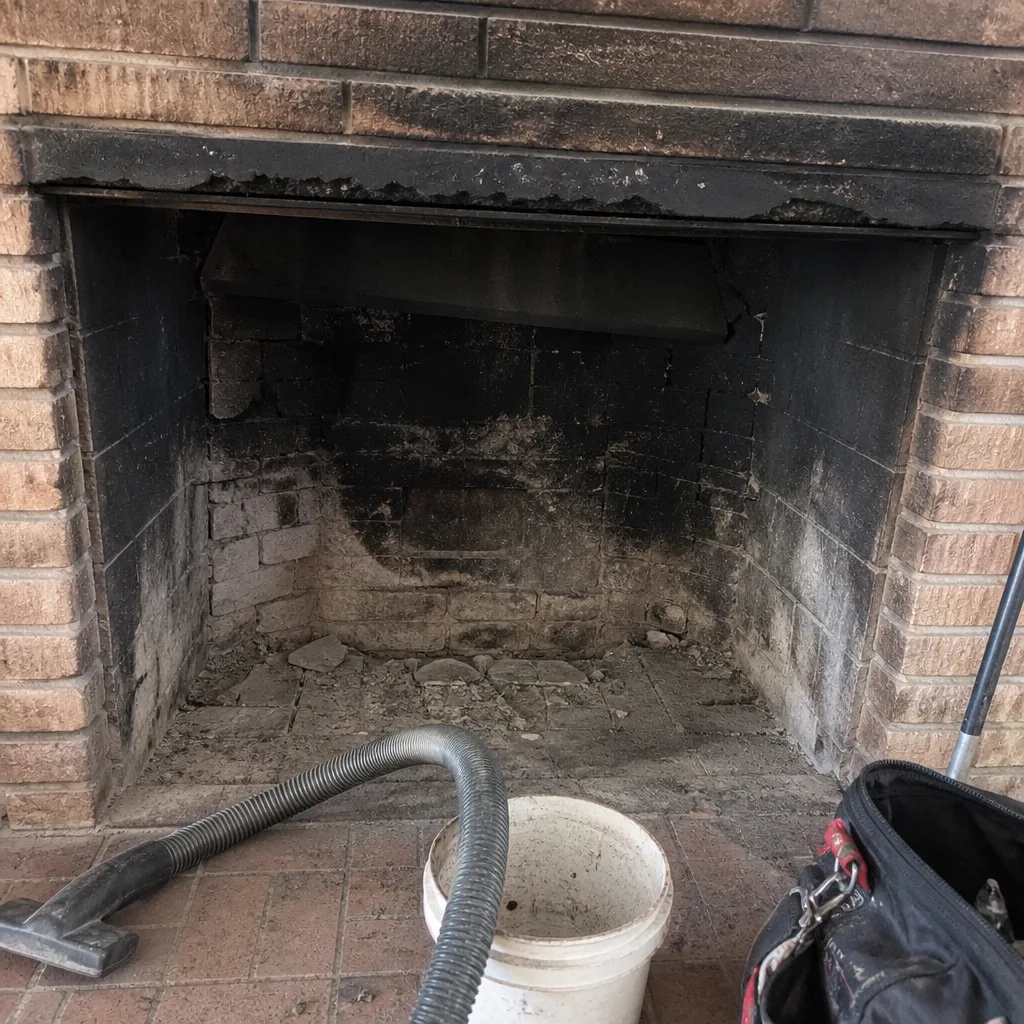 Before
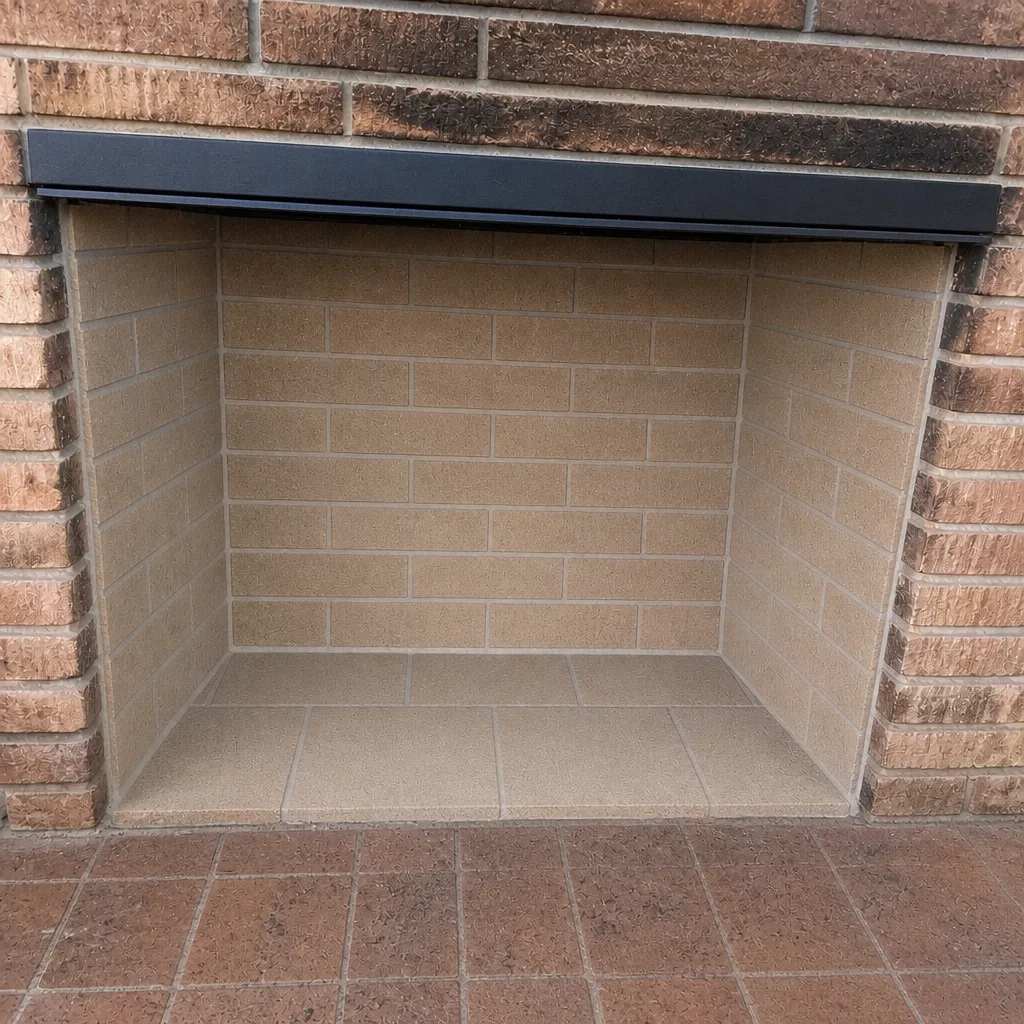 After
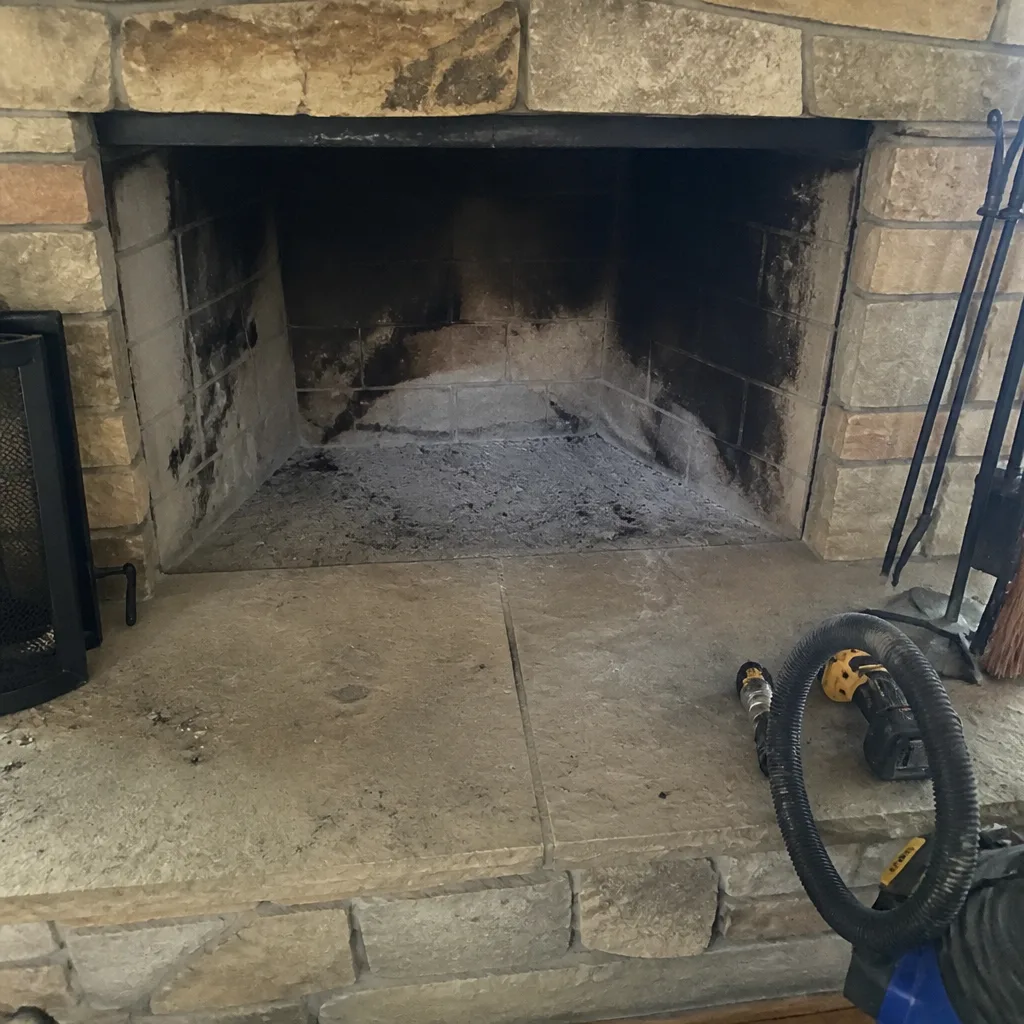 Before
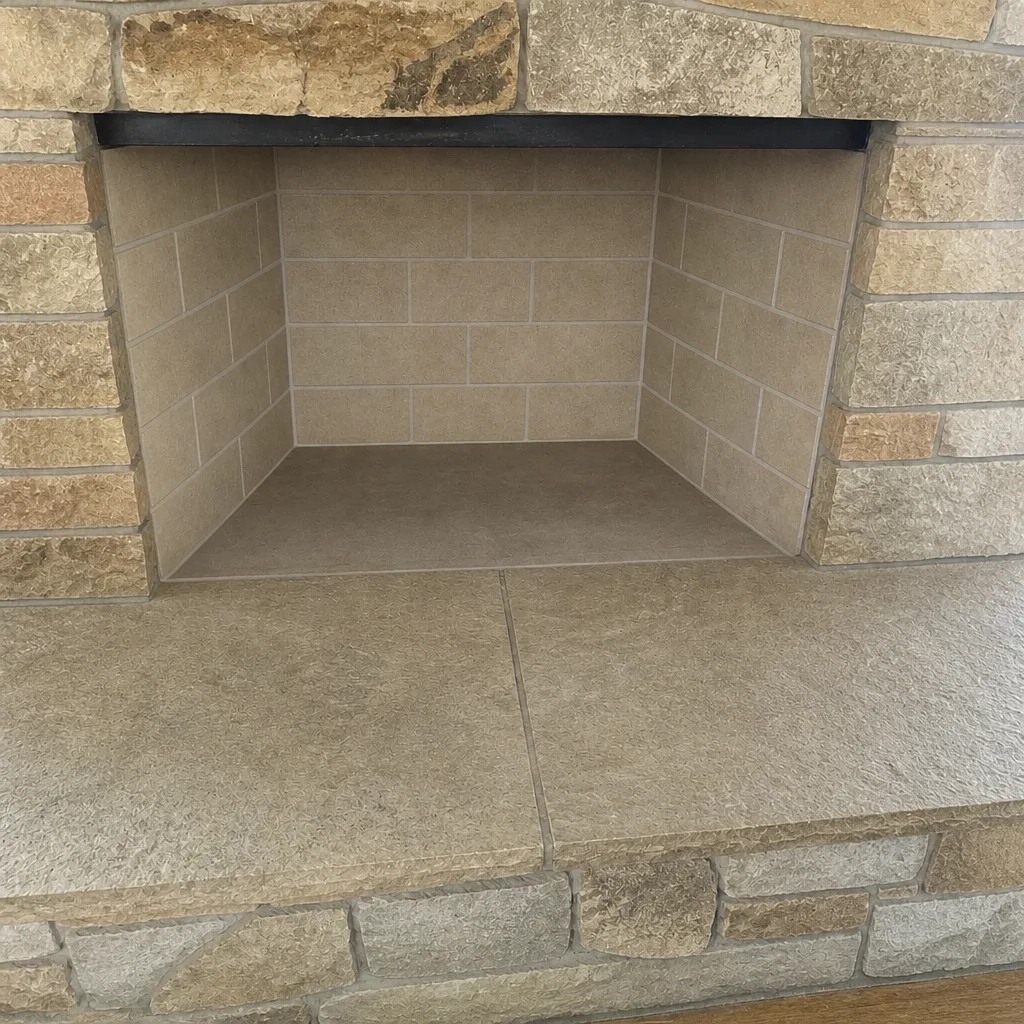 After
When to Call a Professional
Call a professional chimney specialist in Saddle Rock when any of the following applies: you haven’t had the chimney inspected during your ownership; you’re buying or selling a home with a fireplace; you’ve noticed strong odors, smoke spillage, or damage to the cap or crown; you’re planning a liner replacement, crown rebuild, or any repair that may cross into permitted scope under your jurisdiction’s adopted code. The complexity of Saddle Rock’s property distribution across jurisdictions makes it easy to end up with the wrong permit – or no permit – on a job that requires one. Chimney Sweep Saddle Rock offers free estimates in Saddle Rock. Call (833) 513-8273 to schedule an inspection and to ask specifically about the permit threshold for your property. We answer 24/7. Fast dispatch from 7am to 7pm, Sunday through Friday.
Frequently Asked Questions
No. Chimney cleaning and routine inspection in Saddle Rock, CO do not require a building permit. Cleaning is maintenance and falls outside the construction scope that building codes regulate. Permits apply to repairs and construction that change the chimney system, such as flue liner replacement or chimney crown reconstruction. Call (833) 513-8273 for an inspection and a clear read on your chimney’s condition first.
Which chimney repairs require a permit depends on your local jurisdiction, but common categories include flue liner replacement, chimney crown reconstruction, firebox and smoke chamber rebuild, and any structural masonry work on the chimney. Simple sweeps, inspections, and most minor cap repairs fall outside permit scope. Your building department can tell you specifically for your address. Call (833) 513-8273 for a scope review before you commit to a repair.
NFPA 211 is the National Fire Protection Association’s standard for chimneys, fireplaces, vents, and solid fuel-burning appliances. Most Colorado jurisdictions adopt NFPA 211 through their building code, which means it sets the standard your chimney is evaluated against during inspection and permitted repair. Yes, it applies to your Saddle Rock chimney if your property falls under a jurisdiction that has adopted it. Call (833) 513-8273 to book an inspection that documents the system against NFPA 211 criteria.
It can. Insurance policies generally cover fire losses, but the adjuster’s job after a claim includes checking whether the work that caused the loss was permitted and inspected where required. Unpermitted liner or crown work can complicate a claim, whereas a documented, permitted repair leaves a clear trail. Call (833) 513-8273 to review your chimney’s repair history and get any gaps documented.
A completed chimney repair should leave you with an inspection report showing the pre-repair condition, photos of what was found, the building permit copy if one was required, the closeout or passed inspection record, the invoice naming the scope and materials, and manufacturer documentation for the liner or components installed. Whether the repair involved HeatShield liner restoration, a DuraFlex system, or Gelco and Olympia Chimney cap and crown components, the manufacturer paperwork supports the record. Call (833) 513-8273 to schedule a repair with documentation you can rely on.
A failed inspection creates documentation that follows the property, and a buyer’s inspector will ask for records of any repair work. If the repair that fixed the failed condition was permitted and documented, the trail resolves cleanly. If it was done without a permit where a permit was required, the answer gets harder. Call (833) 513-8273 before listing to get the documentation in order, or to book the first inspection if the history is unclear.
The Bottom Line
Chimney cleaning is maintenance. Chimney repair that changes the system, particularly liner replacement and crown reconstruction, can require a permit under the building codes adopted by Douglas County or Aurora, whichever has authority over your Saddle Rock property. NFPA 211 sets the standard both inspections and permitted repairs are measured against, and the paperwork from those processes is what protects you at insurance-claim time and at resale. The way to stay on the right side of the line is to work with a chimney-only specialist who can name the scope clearly, pull the permit when one is needed, and document the work you can see. Call (833) 513-8273 for a free estimate and a straight answer about where your job sits. We answer 24/7. Fast dispatch from 7am to 7pm, Sunday through Friday.
For more of our full chimney lifecycle coverage, start at Chimney Sweep Saddle Rock, and see how chimney cap & crown work fits into the permit picture for your property.
Written by the team at Chimney Sweep Saddle Rock.