
Last updated November 23, 2026
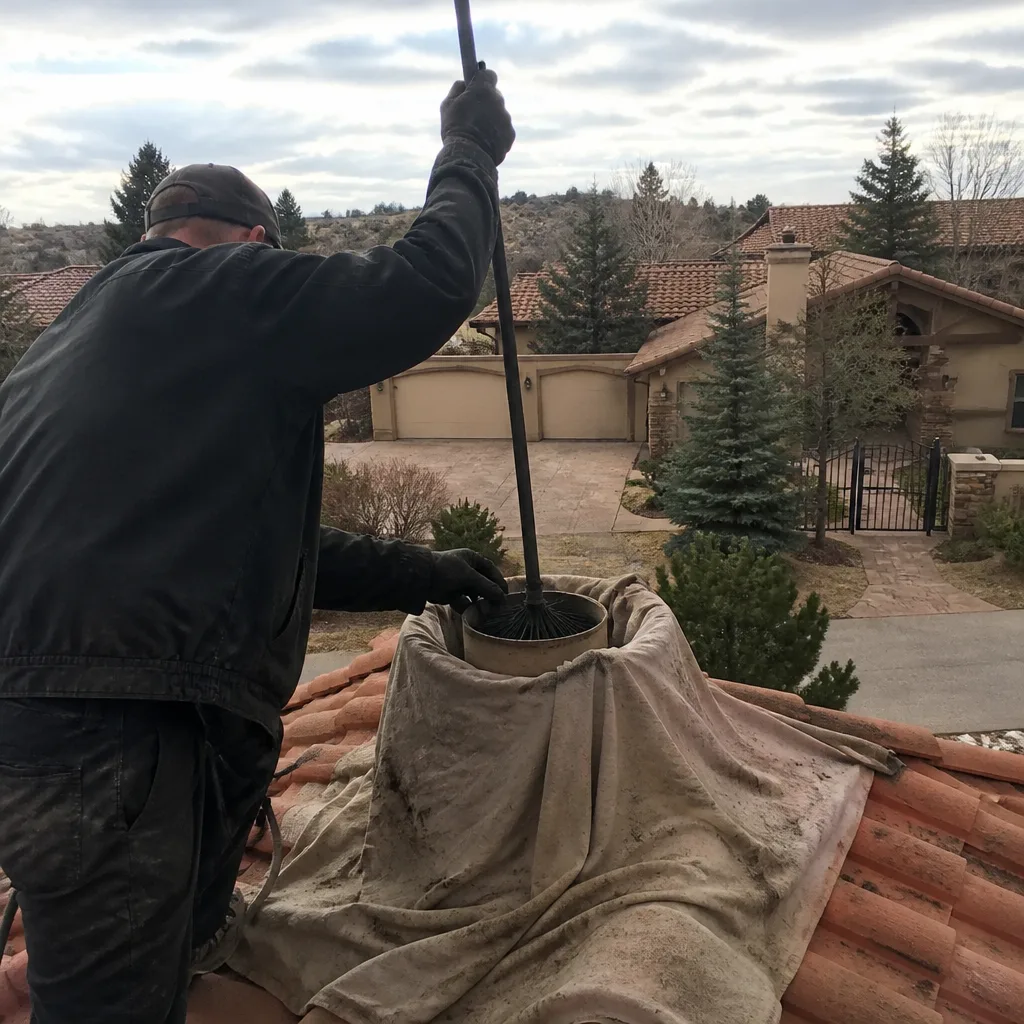
 Sweep & inspection
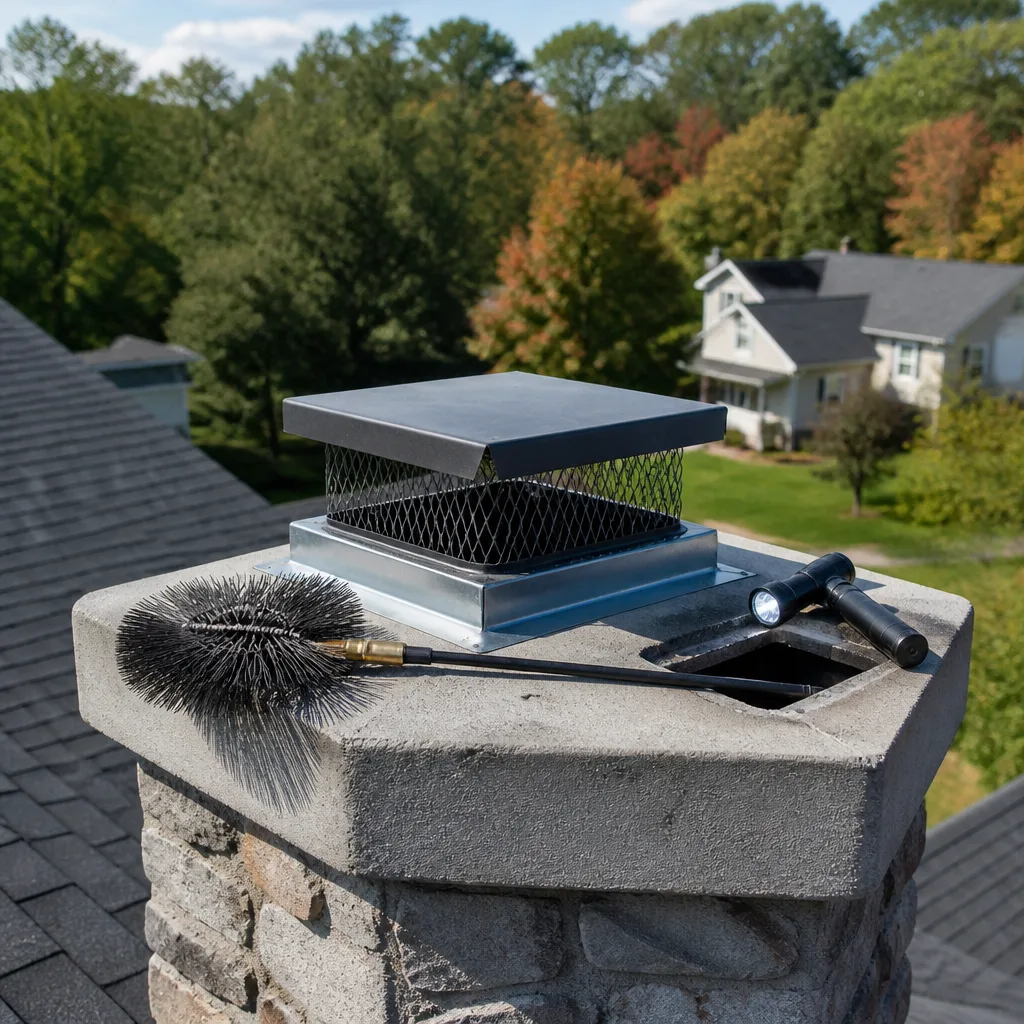
 Caps & crowns
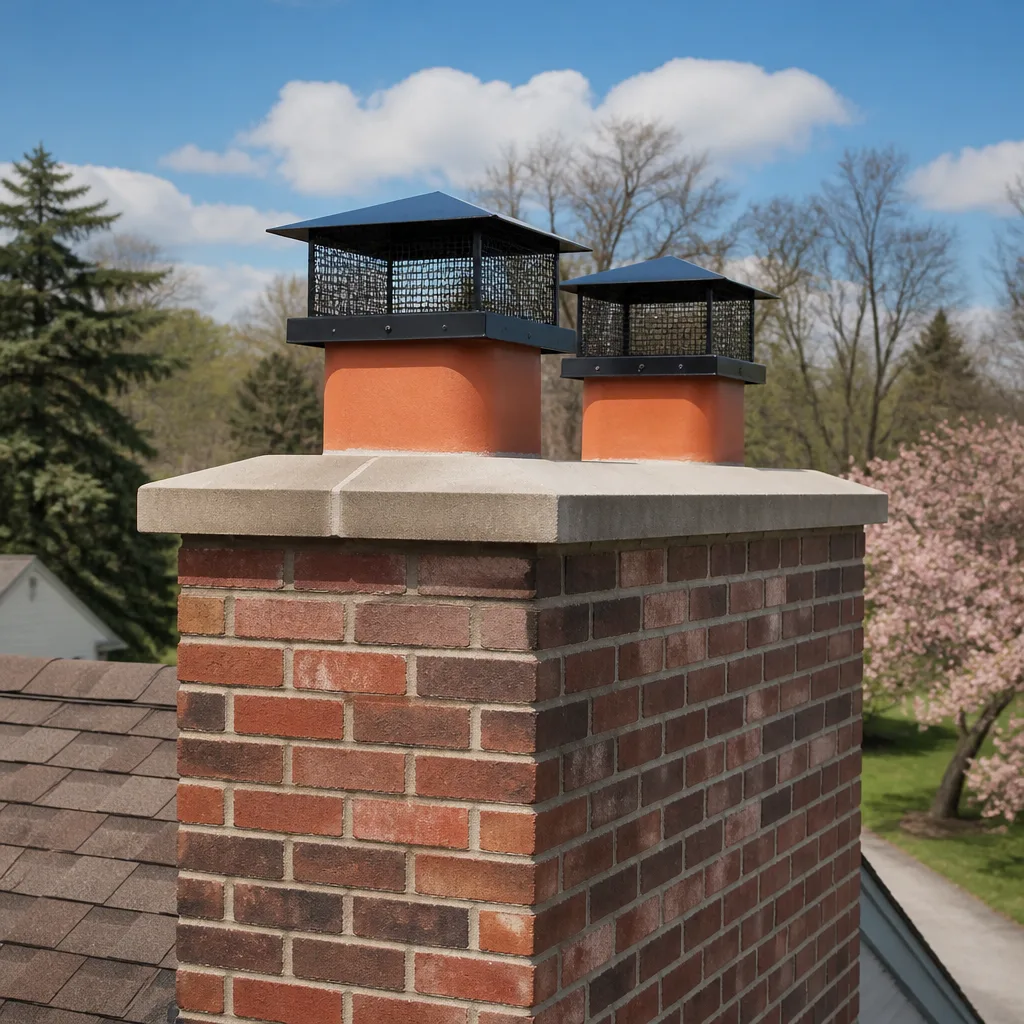
 Flue relining
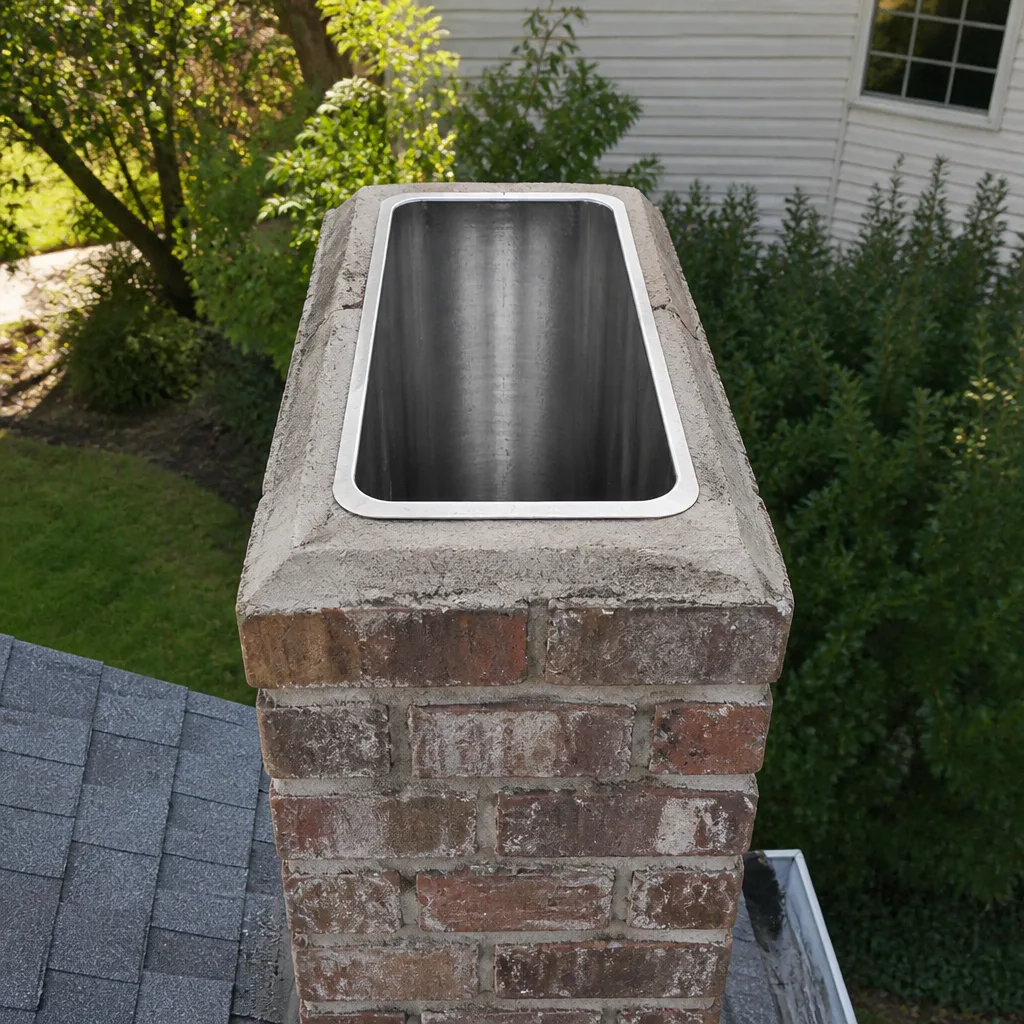
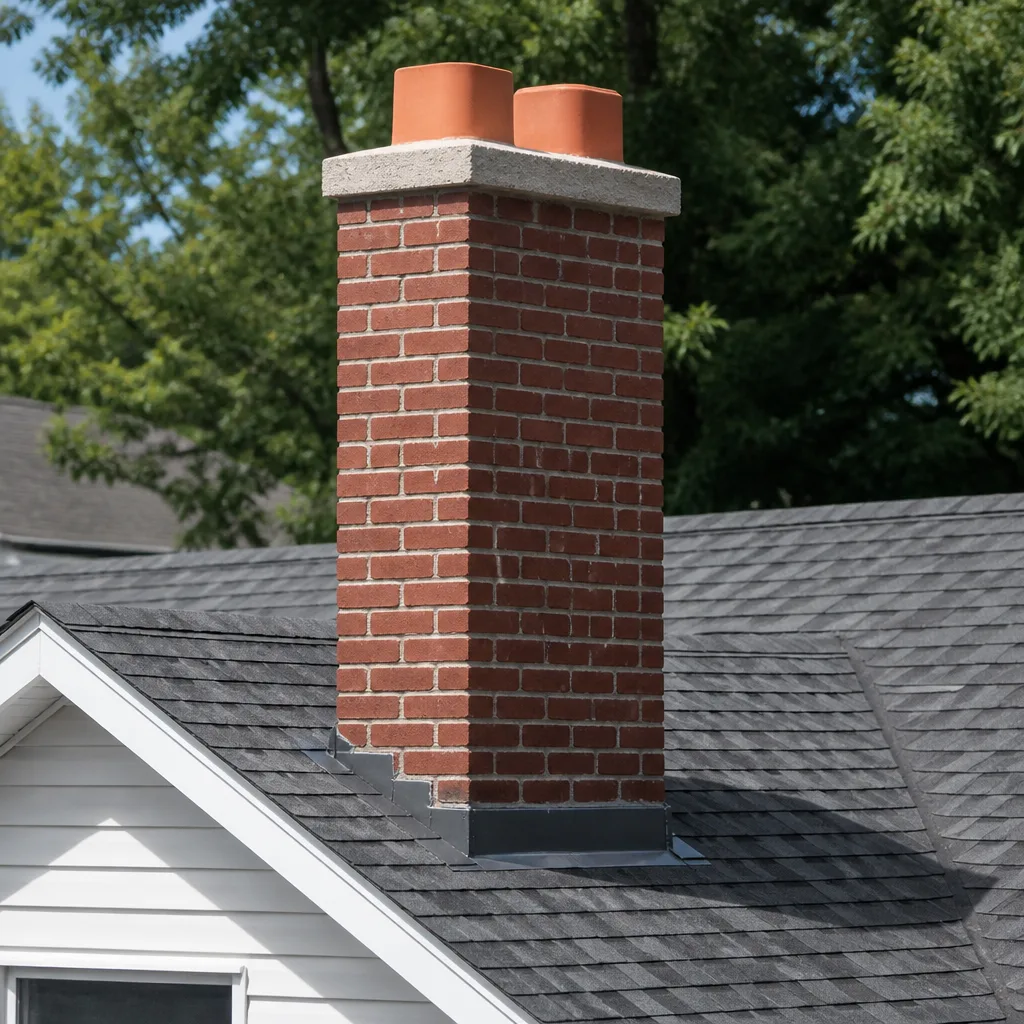 Masonry repair
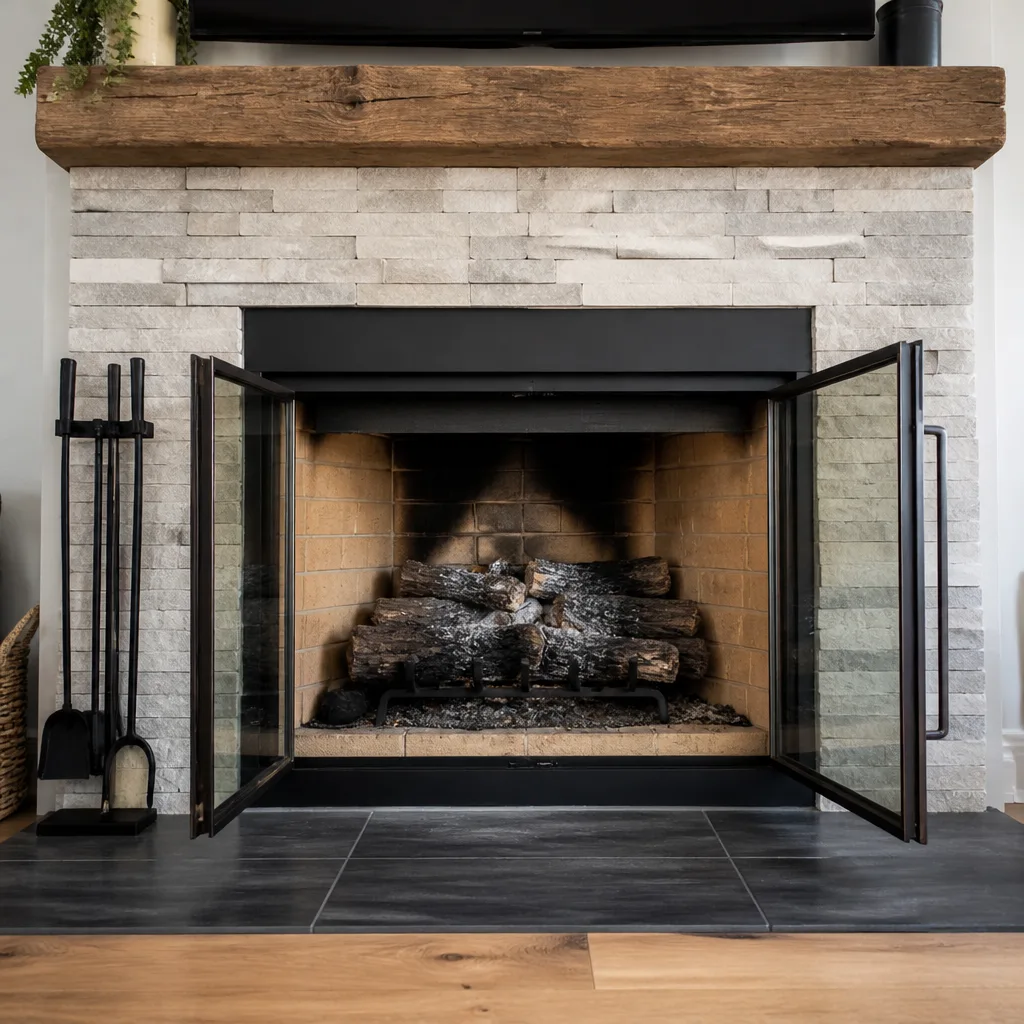 Gas fireplace service
Level 1 sweep and inspection to the NFPA 211 annual standard - flue, crown, cap, and flashing checked and photographed
Chimney sweep logs do not sweep chimneys. They loosen some creosote - which then falls where a brush and vacuum still have to collect it.
Seasonal Chimney Cleaning Care for Saddle Rock: Year-Round Homeowner’s Guide
Scheduling your chimney sweep in October because “that’s when everyone does it” may mean you’re cleaning after the first fires but inspecting for summer moisture damage three months too late. In Saddle Rock, a chimney faces four genuinely different stressors across the year: freeze-thaw cycles that work on masonry all winter, monsoon humidity that pushes moisture into liners in summer, regional wildfire smoke that drifts in each fall, and a heavy burn load once the cold sets in. One annual appointment can’t answer all four. This guide maps the right task to the right season, so you’re inspecting for the damage that season actually causes instead of guessing at a date on the calendar.
Quick Answer
Chimney care in Saddle Rock works best on a four-season schedule rather than a single yearly sweep: inspect and sweep in spring after winter burn, check the cap and crown in summer before monsoon moisture settles in, do a pre-season flue check in fall when wildfire smoke is in the air, and watch burn volume in winter to decide whether a mid-season cleaning is due. Each window catches a different problem early, when it’s still cheap to fix. A sweep is booked, not dispatched on demand, so the seasonal calendar is what keeps your chimney ahead of the damage.
Styles & brands we work with
- Sweep & inspection
- Caps & crowns
- Flue relining
- Masonry repair
- Gas fireplace service
Table of Contents
- Why a Single Annual Sweep Falls Short in Saddle Rock
- Spring: The Ideal Inspection Window
- Summer: Monsoon Moisture and the Cap-and-Crown Check
- Fall: Wildfire Smoke and the Pre-Season Flue Check
- Winter: When Burn Volume Should Trigger a Mid-Season Cleaning
- Building Your Saddle Rock Maintenance Calendar
- Common Mistakes to Avoid
- When to Call a Professional
Why a Single Annual Sweep Falls Short in Saddle Rock
Most chimney advice assumes one climate and one threat: creosote buildup from a long heating season. Saddle Rock doesn’t hand a chimney a single threat. It hands it a sequence. Winter freezes water inside masonry pores and then thaws it, and that expansion-and-contraction cycle loosens mortar and opens small cracks. Summer monsoon rain finds those cracks and drives moisture deeper into the flue structure. Fall brings smoke from regional fires that can pull into a home through a chimney even when the fireplace is cold. And winter’s burn load lays down fresh creosote on top of all of it.
A single October sweep addresses one of those four, and usually the least urgent one. By October the moisture damage from summer is already months old, and the freeze-thaw cracks from last winter have had a full season to widen. The point of seasonal care isn’t more appointments for their own sake. It’s matching the inspection to the damage that season produces, so problems get caught at the stage when they’re small.
That’s also why we work chimney-only. Our technicians have up to 15 years of experience, and every one of those years is spent on chimney systems rather than split between roofing, HVAC, and general contracting. When we look at a flue in spring, we’re reading freeze-thaw evidence. When we look in summer, we’re reading water. The season tells us what to look for.
If you want the full picture of what a professional chimney sweep involves before you build a calendar around one, that’s the place to start. Everything below builds on it.
Spring: The Ideal Inspection Window
Spring is the single best time of year to inspect a Saddle Rock chimney, and it’s the window most homeowners skip. Here’s why: winter is when a chimney takes its hardest structural beating, and spring is the first moment you can see the results clearly, with the burn season over and the monsoon still weeks away.
What winter burn residue looks like
After a full heating season, the flue carries a layer of creosote that ranges from light soot to the glazed, hardened type that’s hardest to remove. Spring sweeping clears it before it sits through the humid months, when a damp flue can make that residue harder to work with. A spring sweep also means you’re starting the next burn season with a clean flue rather than a year-old layer.
What freeze-thaw damage looks like
Freeze-thaw is the quiet one. Water gets into mortar joints and small masonry cracks, freezes overnight, expands, and thaws the next day, and each cycle nudges the crack a little wider. By spring you can often see the evidence:
- Crumbling or sandy mortar at the crown or in the firebox surround
- Hairline cracks in the exterior masonry that weren’t there in the fall
- Spalling, where the face of a brick flakes or pops off
- A crown that’s pulling away from the flue or has visible cracks at its edge
- Rust streaks or water staining on the firebox or damper
None of those require a panic. Most are inexpensive to address in spring and much more expensive by the following winter. That’s the whole argument for spring inspection: it’s the moment when small fixes are still small.
A spring inspection should include
- A full sweep of the flue to clear winter residue
- A visual check of the firebox, damper, and smoke chamber
- A look at the crown, cap, and exterior masonry for freeze-thaw movement
- A liner assessment, with camera inspection where the flue is obscured
- A written summary of anything that needs attention and what can safely wait
We use name-brand materials because what goes into your chimney matters as much as the labor. If spring inspection turns up a cracked crown or a failing cap, we’re working with Gelco and Famco components and Copperfield supply lines rather than generic substitutes. If it turns up liner damage, that’s a conversation about HeatShield restoration, which most basic sweep companies don’t carry or install.
Summer: Monsoon Moisture and the Cap-and-Crown Check
Summer in Saddle Rock means monsoon moisture, and monsoon moisture is the second half of the one-two punch that starts with winter freeze-thaw. Any crack the winter opened becomes a channel for summer rain. Water that gets into a flue doesn’t just sit there; it works on the liner, the smoke chamber, and the masonry from the inside, and it does it slowly enough that most homeowners don’t notice until the damage is structural.
How monsoon humidity accelerates liner deterioration
A clay tile liner is meant to stay dry. When repeated moisture reaches it, the tiles can crack and the joints between them can fail, and a failed liner joint lets combustion gases escape into the structure of the chimney instead of up and out. Metal liners face their own version of the problem: trapped moisture against metal encourages corrosion, and corrosion eventually means a liner that no longer seals. Neither failure announces itself. Both are found by inspection.
This is why a mid-summer check is worth the appointment even though the fireplace is cold. It’s the one time of year when you can catch moisture damage in progress rather than after it’s done a full season’s work.
What a mid-summer cap and crown check catches
- Crown cracks: the crown is the concrete or masonry top that sheds water away from the flue. A cracked crown lets water straight down into the chimney structure, and it’s one of the most common sources of interior water damage. chimney cap & crown work in summer, before the fall rains, is far cheaper than repairing the damage a cracked crown causes over a winter.
- Failed cap or missing spark screen: a cap keeps rain, birds, and debris out of the flue. A damaged one lets all three in. Summer is when nesting and debris accumulation peak.
- Liner corrosion or joint failure: visible from the top and confirmed by camera. Catching a liner problem in July gives you time to schedule the fix before the burn season starts.
- Damper seal: a damper that no longer closes lets conditioned air escape and humid air in all summer, which is a comfort issue during the hot months and a moisture issue for the flue.
If summer inspection finds a damaged liner, HeatShield is often the answer for a flue that’s still structurally sound – it’s a restoration system that relines the existing flue rather than requiring a full tear-out, and it’s a process most general sweep companies simply aren’t equipped to do. When a full reline is the right call instead, we work with DuraFlex.
Fall: Wildfire Smoke and the Pre-Season Flue Check
Fall in Saddle Rock brings regional wildfire smoke, and that changes what a chimney check is for. Most fall chimney advice is about getting ready for the first fire. In a wildfire-smoke season, the more useful question is whether your chimney is pulling outside air into the house when it shouldn’t be – which can happen even if you haven’t lit a fire in weeks.
Why smoke infiltration warrants a check even without home use
A chimney is a vertical shaft connected to your living space through an open or imperfectly sealed damper. When regional smoke fills the outdoor air, a chimney with a weak draft, a failed damper seal, or a compromised cap can let that smoke find its way indoors, especially on still days when there’s no stack effect pulling air upward. Homes with a fireplace that’s been sitting unused since spring are the ones most likely to have a damper that no longer seals cleanly.
A pre-season flue check before the first fire does two things at once. It confirms the flue is clear and the draft is sound, so you’re not drawing smoke into the room the first cold night you light up. And it confirms the cap and damper are doing their job against outside air, which matters more in a smoke-heavy fall than in a clear one.
Your fall pre-season checklist
- Book the pre-season inspection before the first cold snap, not after
- Confirm the flue is clear and the draft is pulling correctly
- Check the damper closes fully and seals against outside air
- Inspect the cap and spark screen for debris or damage from summer storms
- Clear any leaf or debris accumulation from the cap and crown
- Have the flue swept if spring cleaning wasn’t done or burn residue is heavy
If fall inspection turns up a problem with the firebox itself, that’s fireplace repair territory, and it’s better addressed now than mid-season. One call covers inspection, cleaning, cap, crown, and repair. There’s no juggling a second contractor to handle what the first one found.
Winter: When Burn Volume Should Trigger a Mid-Season Cleaning
Winter is when most homeowners think about the chimney, and it’s also when the wrong instinct takes over: wait until spring to have it cleaned. Sometimes that’s fine. Sometimes it means a season’s worth of creosote builds up and stays there through the coldest, heaviest-burn months, which is exactly when you don’t want a restricted flue. The question is burn volume. A chimney used lightly through winter can wait for spring. It can also reach a point mid-season where waiting is the wrong call.
What actually triggers a mid-season cleaning
There’s no single number that fits every chimney, because flue size, wood type, and burn habits all matter. But these are the signals that should prompt a call rather than a wait:
- Heavy, frequent burning: if the fireplace is running most days through the cold months, creosote accumulates faster than a light-use household’s. A flue that builds up quickly can be due for a cleaning well before spring.
- Smoke rolling back into the room: a draft that was fine in fall and isn’t fine now often means the flue is restricted. Don’t keep burning through it.
- A noticeably weaker fire: if the fire struggles to draw or burns duller than it used to, restricted airflow is a likely cause.
- A strong, sharp creosote smell: this often signals a heavy creosote layer, and it’s more noticeable in cold, still weather.
- Visible soot or creosote at the firebox or damper: if you can see buildup without a camera, there’s more above it.
Burning the right wood matters too
Seasoned, dry wood produces less creosote than green or wet wood, and how you run the fire matters as much as what you burn. A hot, well-ventilated fire leaves less residue than a smoldering one choked down to stretch the burn. That’s not a reason to change how you heat your home, but it is a reason to check the flue mid-season if you burn hard. A mid-winter cleaning is a normal, sensible appointment for a heavy-use household, not a sign something has gone wrong.
Winter is also when safety matters most. Creosote is flammable, and a flue with a heavy buildup is a flue fire waiting for the right conditions. We’re not going to oversell that risk, because most chimneys we inspect are fine. But the reason to catch buildup early is that it’s cheap to sweep and expensive to repair after a flue fire. Carbon monoxide is the other quiet concern: a blocked or damaged flue can let combustion gases back into the home instead of up and out, which is why a working flue and a sound liner aren’t optional. If your carbon monoxide detector goes off, get everyone out and call for help first, then have the chimney inspected before you burn again.
Building Your Saddle Rock Maintenance Calendar
The alternative to a single annual appointment is a calendar built around what each Saddle Rock season actually does to a chimney. Here’s a practical version you can adapt to your home and your burn habits.
| Season | Primary Threat | Key Task |
|---|---|---|
| Spring | Freeze-thaw masonry damage, winter burn residue | Full inspection and sweep; check crown, cap, masonry, liner |
| Summer | Monsoon moisture and liner deterioration | Cap and crown check; moisture and liner assessment |
| Fall | Wildfire smoke infiltration, first-fire readiness | Pre-season flue check; damper and draft verification |
| Winter | Heavy burn load and creosote buildup | Monitor burn volume; mid-season cleaning if triggers appear |
A simple year at a glance
- Early spring: book the post-winter inspection and sweep. This is the most important single appointment of the year.
- Late spring: complete any repairs the spring inspection found, while the weather is dry and the burn season is months away.
- Mid-summer: cap and crown check, plus a liner and moisture assessment ahead of the monsoon.
- Early fall: pre-season flue check before the first fire, with a look at the damper and draft.
- Mid-winter: if you burn heavily, assess whether a cleaning is due rather than waiting until spring.
Two appointments a year – spring and fall – cover most Saddle Rock homes well. A home that burns hard or has a masonry chimney with known vulnerabilities may benefit from the summer check too. The right calendar is the one that matches how you actually use the fireplace, and a quick conversation is enough to sort out which pattern fits your home.
Common Mistakes to Avoid
- Sweeping in October and calling it done. An October sweep clears the flue for the burn season but does nothing for the freeze-thaw and monsoon damage that already happened in spring and summer. Match the appointment to the season you’re worried about.
- Skipping the summer check because the fireplace is off. The months you don’t burn are when moisture does its work. A cold fireplace doesn’t mean a safe chimney.
- Ignoring a cracked crown until it rains. A cracked crown is a water channel straight into the chimney structure. In Saddle Rock’s monsoon pattern, small crown cracks get worse fast, so they’re worth fixing before the wet season rather than after.
- Waiting for a spring cleaning when you burn hard all winter. If you’re running the fireplace most days through the cold months, a mid-season cleaning can be the right call. Heavy buildup through the coldest months isn’t something to put off.
- Assuming a general contractor covers chimney work. Chimney systems are their own trade. A roofing or HVAC company can look at your chimney, but the liner, crown, and flue details need someone who works on chimneys specifically.
- Lighting the first fire of fall without a pre-season check. In a smoke-heavy fall, a damper that doesn’t seal or a flue that doesn’t draft cleanly can pull smoke indoors. A quick fall check catches that before it becomes a house full of it.
- Assuming a damaged liner always means a full rebuild. HeatShield restoration can often reline a flue that’s still structurally sound, which is a different and less disruptive job than a full tear-out. Get the assessment before assuming the worst.
When to Call a Professional
Some chimney problems are seasonal-maintenance questions. Others need a call now. Get a professional involved if you smell a sharp creosote odor that won’t clear, if smoke rolls back into the room when you burn, if you can see cracks in the crown or loose mortar on the exterior, if water is staining the firebox or the ceiling near the chimney, or if your carbon monoxide detector has ever gone off with the fireplace running. Any of those is worth a same-day booking rather than waiting for the next scheduled slot. And if you’re buying or selling a home in Saddle Rock, a documented inspection before closing is worth having, because it puts the chimney’s condition in writing. Chimney Sweep Saddle Rock offers free estimates in Saddle Rock, with a flat-price sweep agreed before booking, a camera inspection and photo report included, and a satisfaction guarantee. You see the evidence before you approve any work. Call (833) 513-8273. We answer 24/7. Fast dispatch from 7am to 7pm, Sunday through Friday.
See the difference
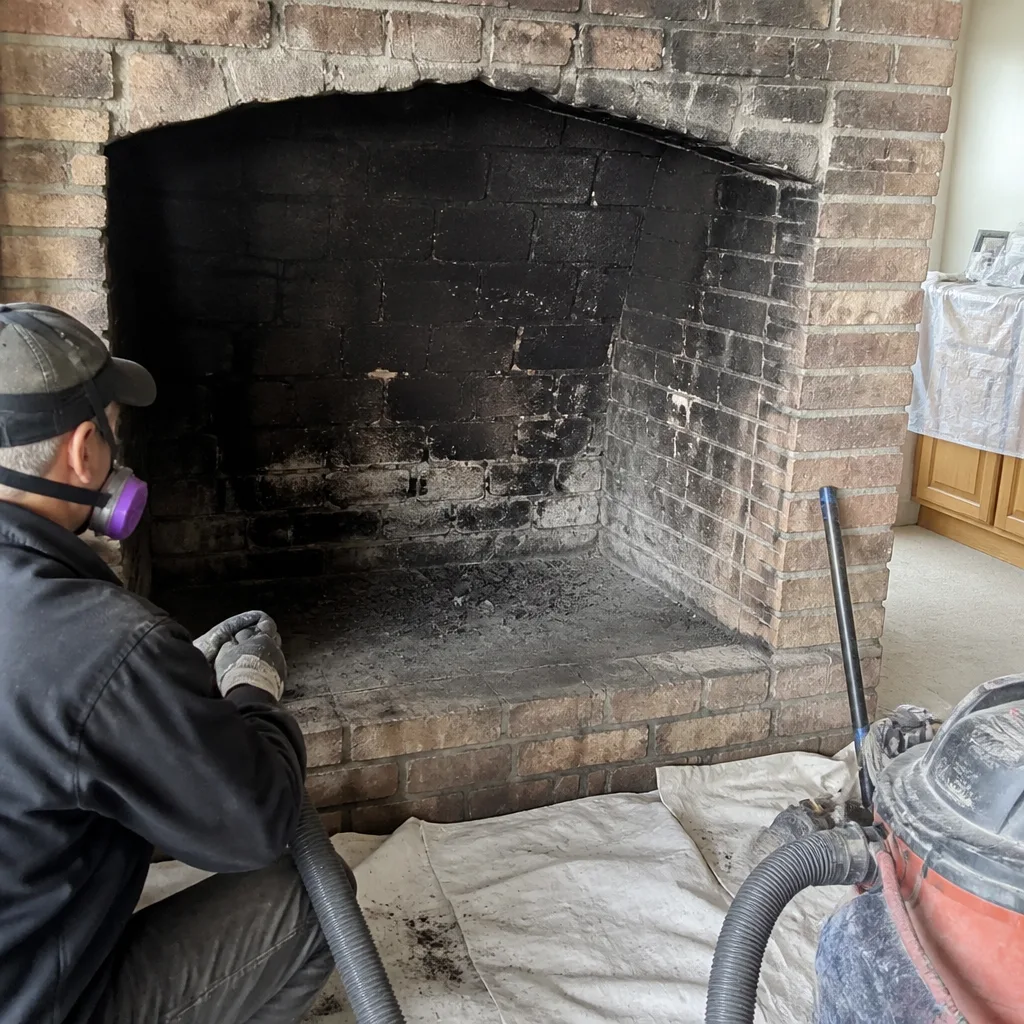 Before
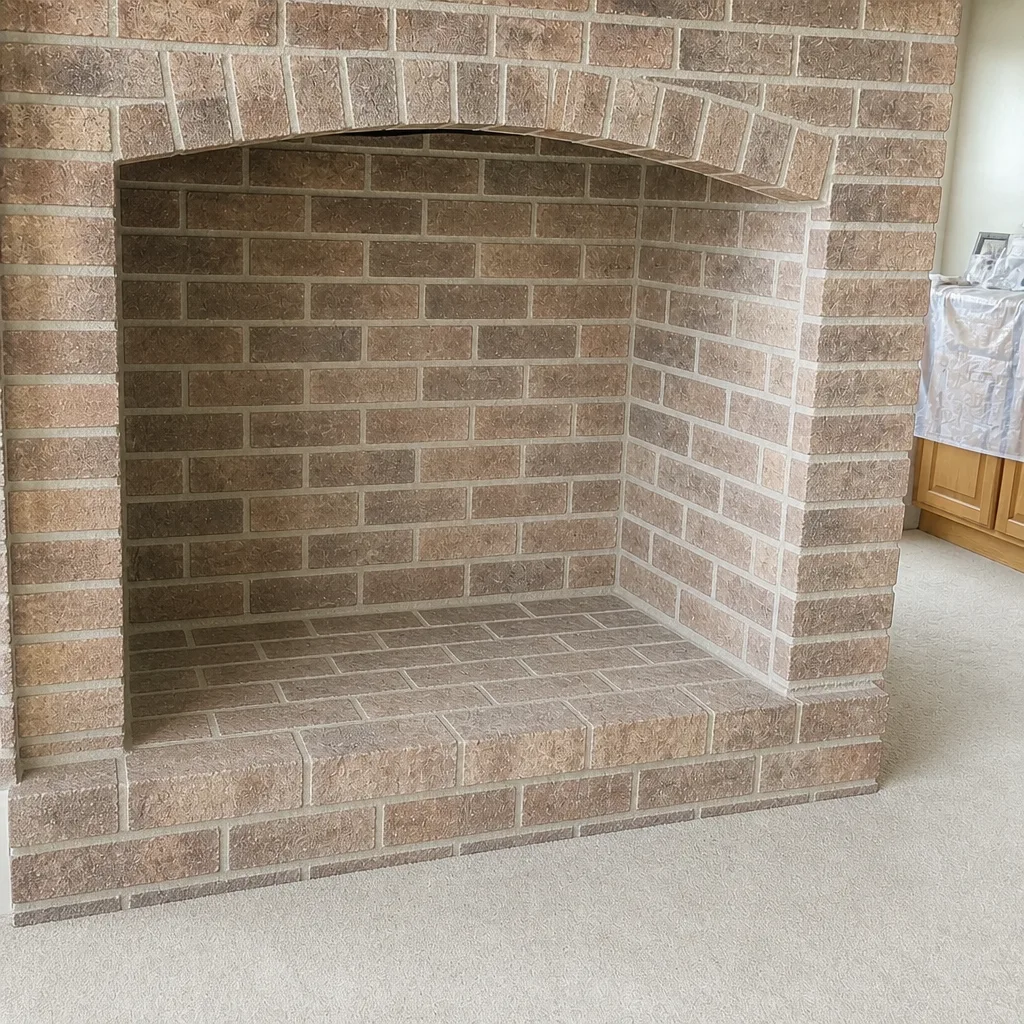 After
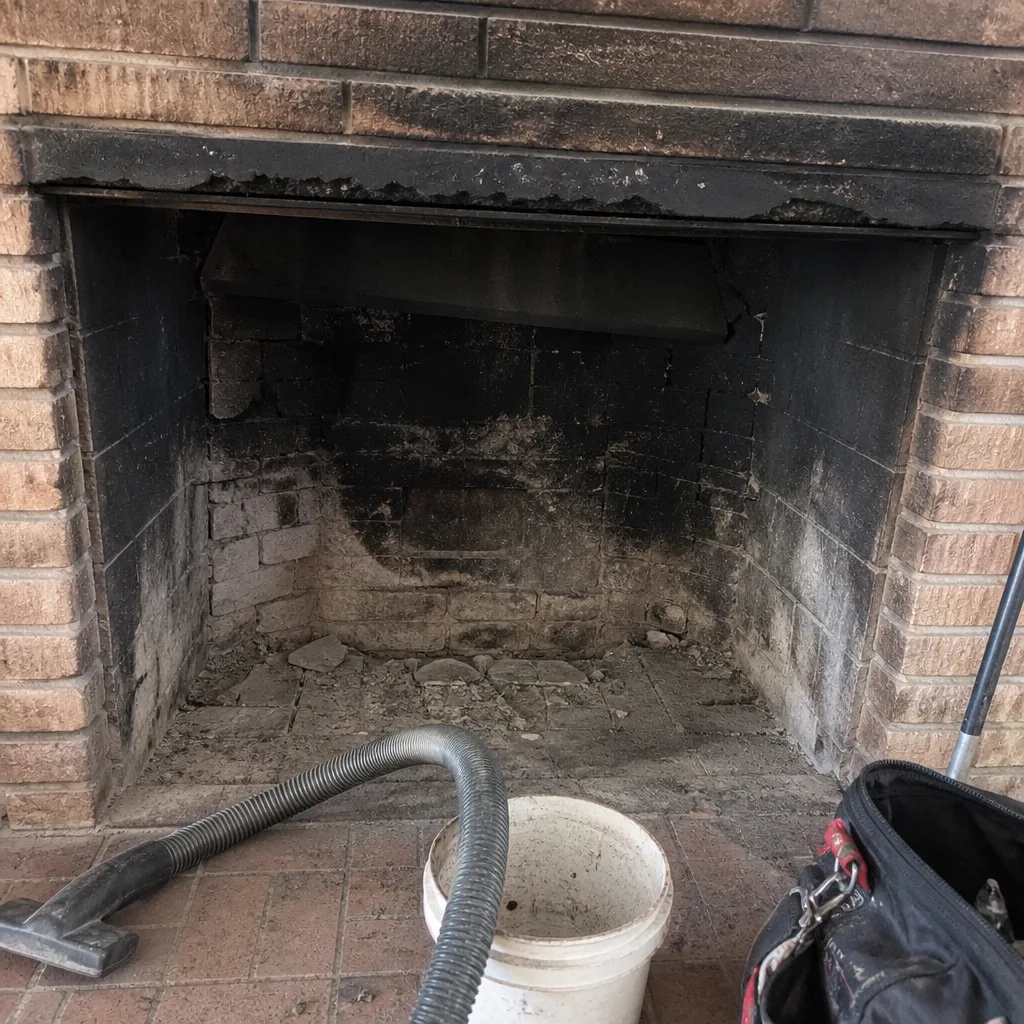 Before
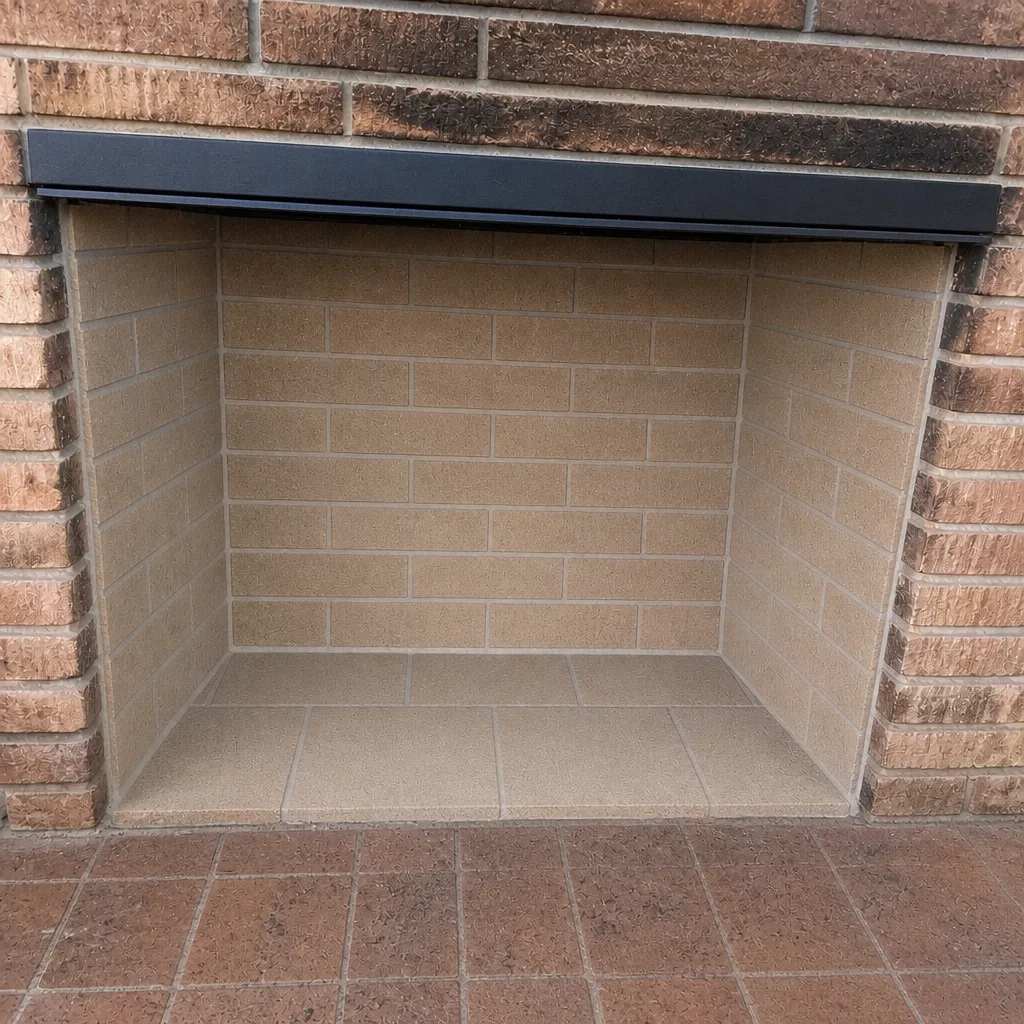 After
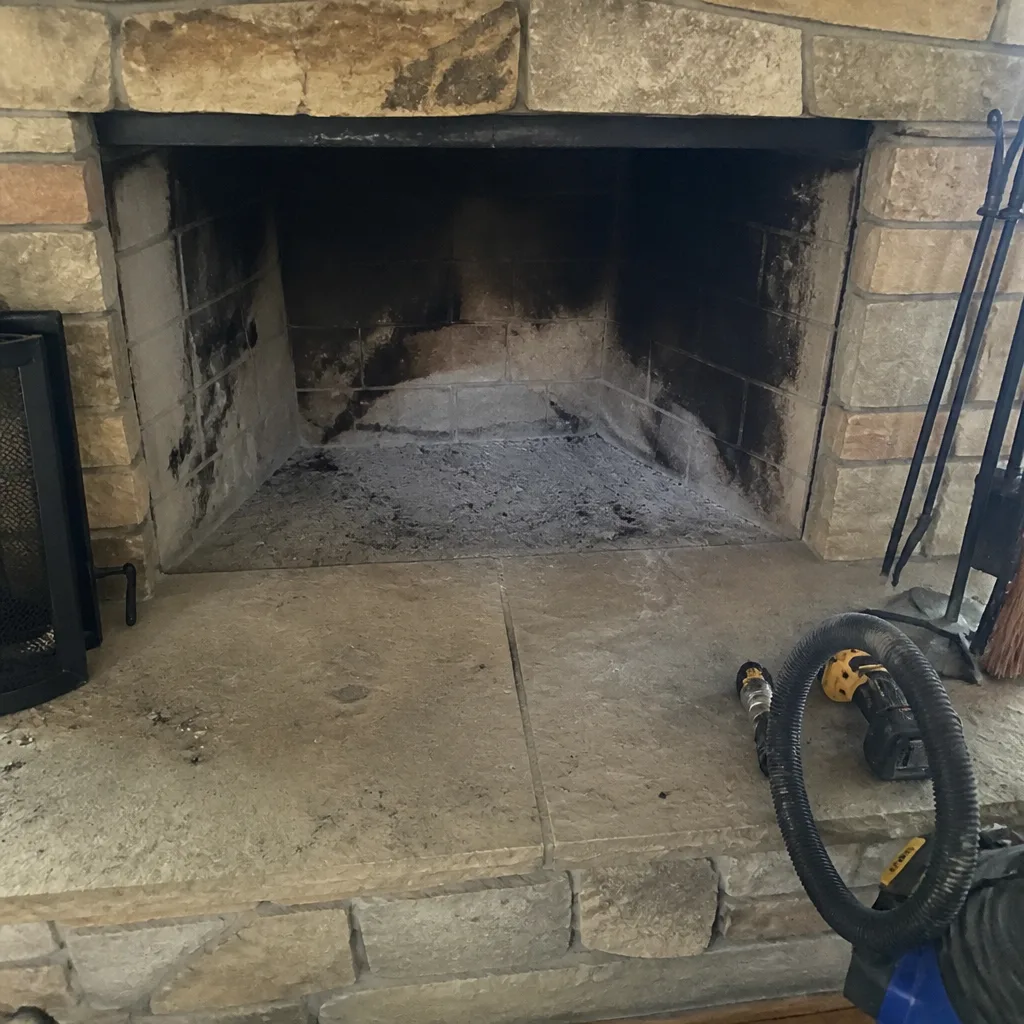 Before
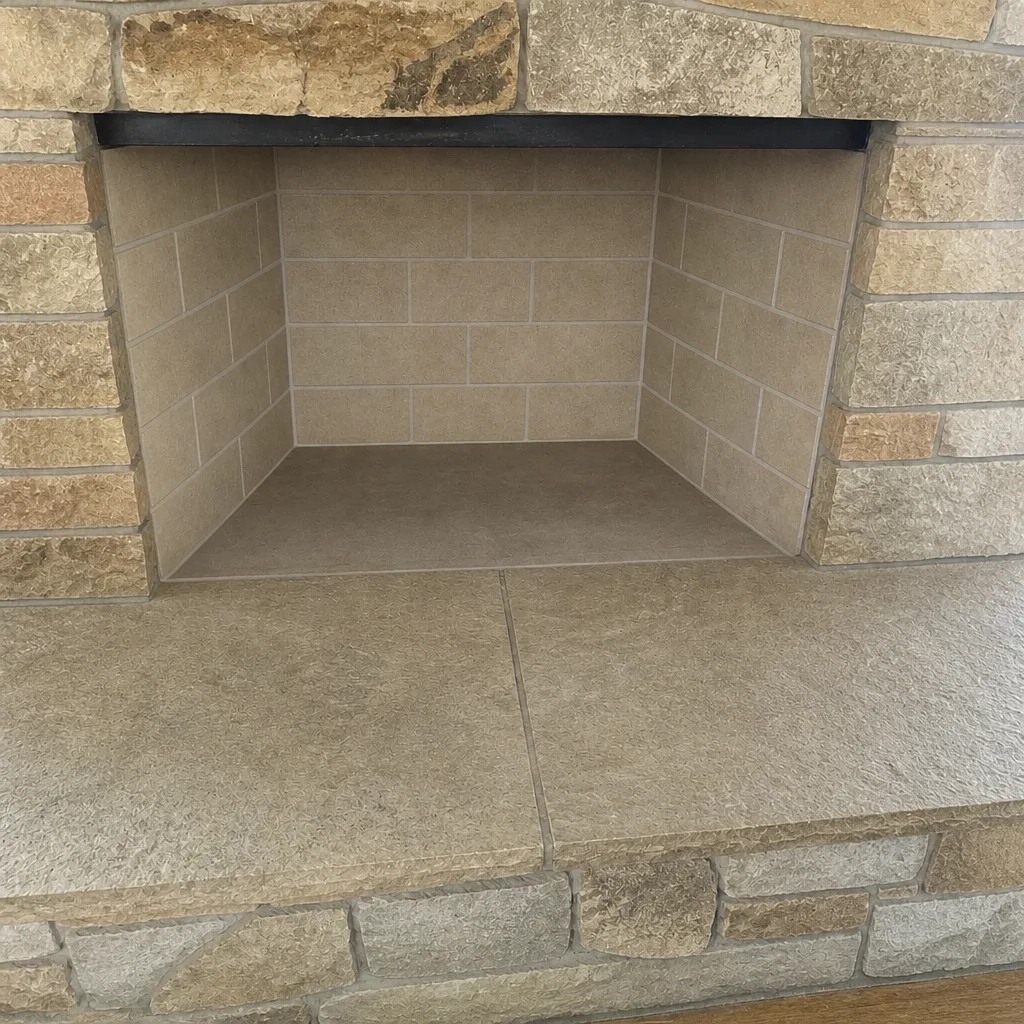 After
Frequently Asked Questions
Most Saddle Rock homes do well with a sweep once a year, ideally in spring, plus an inspection before the fall burn season. Heavy-use households that burn most days through winter may need a mid-season cleaning as well. The right interval depends on how much you burn and what your flue looks like, not on a fixed number.
Spring is the best single window for inspection because it’s when freeze-thaw damage and winter burn residue are both fully visible, and it leaves plenty of time to repair before the next season. Fall inspection is still worth doing as a pre-season check before the first fire. The two together cover what a single appointment can’t.
Monsoon moisture works into any crack in the crown, masonry, or liner and drives deterioration from the inside. Over time it can crack clay flue tiles, fail the joints between them, and corrode metal liners, and a failed liner lets combustion gases escape into the chimney structure. A mid-summer check catches that in progress, before the burn season.
Yes, if you’re in a region with wildfire smoke, because a chimney with a weak draft or a damper that no longer seals can pull outside smoke into the house even when the fireplace is cold. A pre-season check confirms the flue drafts cleanly and the damper seals, so the first fire of the season goes the way it should.
If you burn most days through the winter, notice smoke rolling back into the room, or see a weaker fire than usual, those are signals to have the flue checked rather than waiting for spring. A sharp creosote smell or visible soot at the damper are the strongest signs. When in doubt, book an inspection.
No. If the flue is still structurally sound, HeatShield restoration can often reline it rather than requiring a full tear-out. A full reline with DuraFlex is the right answer when the damage is more extensive. A camera inspection and photo report tell you which situation you’re in, and you see the evidence for yourself before any work is approved.
The Bottom Line
Chimney care in Saddle Rock isn’t a single annual appointment. It’s a four-season rhythm: spring inspection and sweep for freeze-thaw damage and winter residue, a summer cap and crown check ahead of the monsoon, a fall flue check before the wildfire-smoke season and the first fire, and winter attention to burn volume so heavy use triggers a mid-season cleaning instead of a wait. Two appointments a year – spring and fall – cover most homes, and the summer check is worth adding if your chimney has known vulnerabilities. Chimney Sweep Saddle Rock handles the full chimney lifecycle, so one call covers inspection, cleaning, cap, crown, fireplace repair, and repair. Nothing is recommended without camera evidence you can see for yourself, and we’ll say plainly when work can safely wait. Call (833) 513-8273 for a free estimate. We answer 24/7. Fast dispatch from 7am to 7pm, Sunday through Friday. Visit Chimney Sweep Saddle Rock to get started.
Written by the team at Chimney Sweep Saddle Rock.